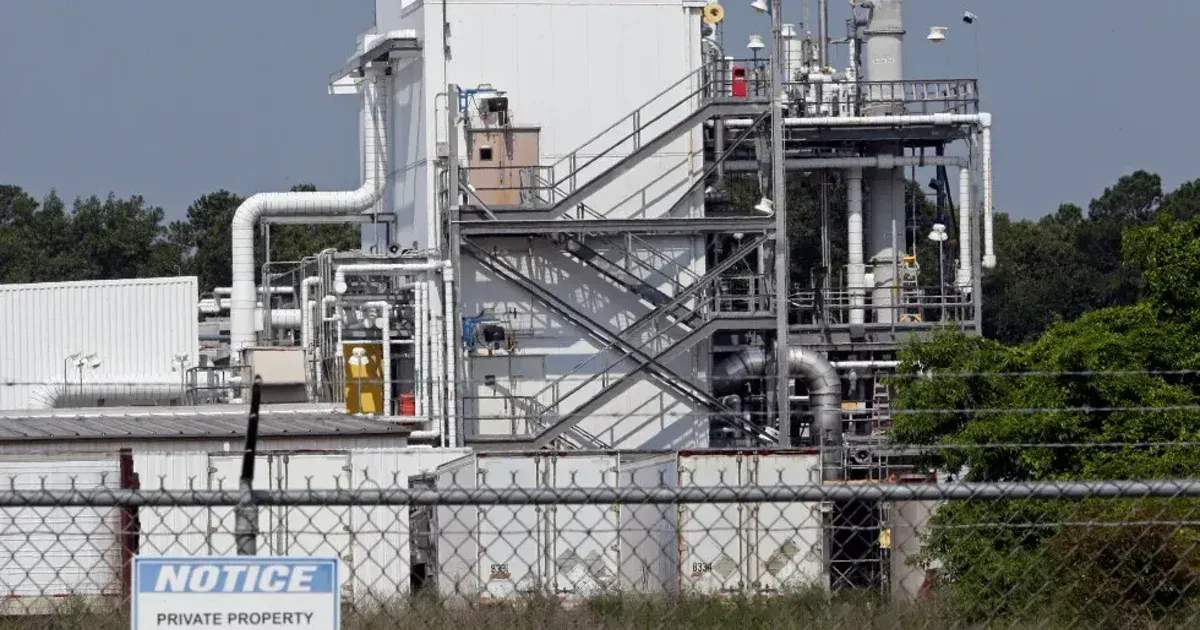
The Trump administration has announced a $450 million settlement with Chemours over PFAS contamination, giving federal regulators a new benchmark for cases involving so-called forever chemicals.
The Associated Press reported that the agreement covers illegal discharges tied to waterways in West Virginia, North Carolina and New Jersey, including areas affected by Chemours facilities and related chemical operations.
On June 24, 2026, the deal immediately became one of the clearest federal signals yet about how costly long-running water contamination cases can become when regulators demand cleanup funding, not only penalties.
The settlement includes a $22.5 million civil penalty, about $90 million in measures to reduce discharges over 15 years, $280 million for clean drinking water projects and $60 million in pollution controls at a West Virginia site.
The numbers matter because PFAS cases often stretch across decades, multiple companies and communities that have already lost confidence in the safety of local water. A single settlement cannot resolve that history, but it can set a public floor for what federal enforcement now expects.
A Cleanup Deal With A Wider Signal
PFAS contamination is difficult to address because the chemicals persist in the environment and can move through rivers, soil and drinking water systems. Once communities learn that local water has been affected, the dispute is rarely limited to one factory or one discharge permit.
The federal deal requires Chemours to install treatment systems, reduce releases and support water testing near impacted areas. Those requirements are intended to keep the agreement tied to measurable environmental outcomes rather than a headline number that fades after the announcement. Those obligations are more important than the headline penalty because long-term cleanup usually depends on engineering controls, monitoring and sustained funding rather than a one-time fine.
The settlement's real test will be whether affected communities see cleaner water and more reliable monitoring, not only a large dollar figure.
The agreement also arrives while federal standards for PFAS remain politically contested. The Trump administration has signaled plans to revise Biden-era drinking water rules, which means enforcement settlements may become an important way to show continued action even as regulatory details shift. That creates a delicate balance: regulators can argue that they are forcing cleanup through case-by-case enforcement, while public health advocates will still ask whether national drinking water limits are strong enough to protect communities before contamination spreads.
Communities Need More Than Penalties
Drinking water funding is central to the case because contamination costs often land first on local utilities and residents. Treatment systems can be expensive, and smaller communities may struggle to pay for monitoring, filtration and public communication without outside support.
The settlement calls for water treatment systems and testing in affected areas, including communities connected to the Ohio, Cape Fear and Delaware river systems. That structure recognizes that PFAS pollution does not stay neatly inside state lines or facility boundaries.
For residents, the practical questions are direct: how quickly will treatment systems be installed, who will verify reductions, and what happens if new contamination appears after the settlement is approved. The answer will determine whether the agreement feels like accountability or another legal milestone that leaves daily anxiety in place.
Why The Benchmark Matters
Chemours is a DuPont spinoff, and PFAS litigation often involves long corporate histories that make responsibility hard to explain to the public. The AP reported that the deal does not absolve DuPont of past liabilities, an important distinction for communities and plaintiffs watching related claims.
The settlement could still influence future negotiations. Companies facing similar claims will study the mix of penalties, cleanup spending and water funding, while regulators may point to the agreement as evidence that federal enforcement can demand more than symbolic payments.
That makes the Chemours deal a health story as much as a legal one. The long-term measure will be whether the money translates into lower exposure, clearer testing data and credible public updates for people living near affected waterways.
If the settlement produces measurable reductions, it may become a model for future PFAS enforcement. If it stalls in implementation, it will become another reminder that forever chemicals create legal settlements faster than they create public trust. The implementation phase will therefore be watched closely by state regulators, water utilities and residents who want proof that treatment systems are installed, data is public and discharge reductions continue after the first headlines fade. For affected households, that follow-through is the difference between a legal resolution and a practical improvement in daily confidence about water safety. It will also shape how future PFAS defendants read the cost of delay, because unresolved contamination can become more expensive as testing expands, public records improve and communities become less willing to accept voluntary cleanup promises without enforceable deadlines, independent sampling, public reporting and funding that survives future ownership or policy changes later.