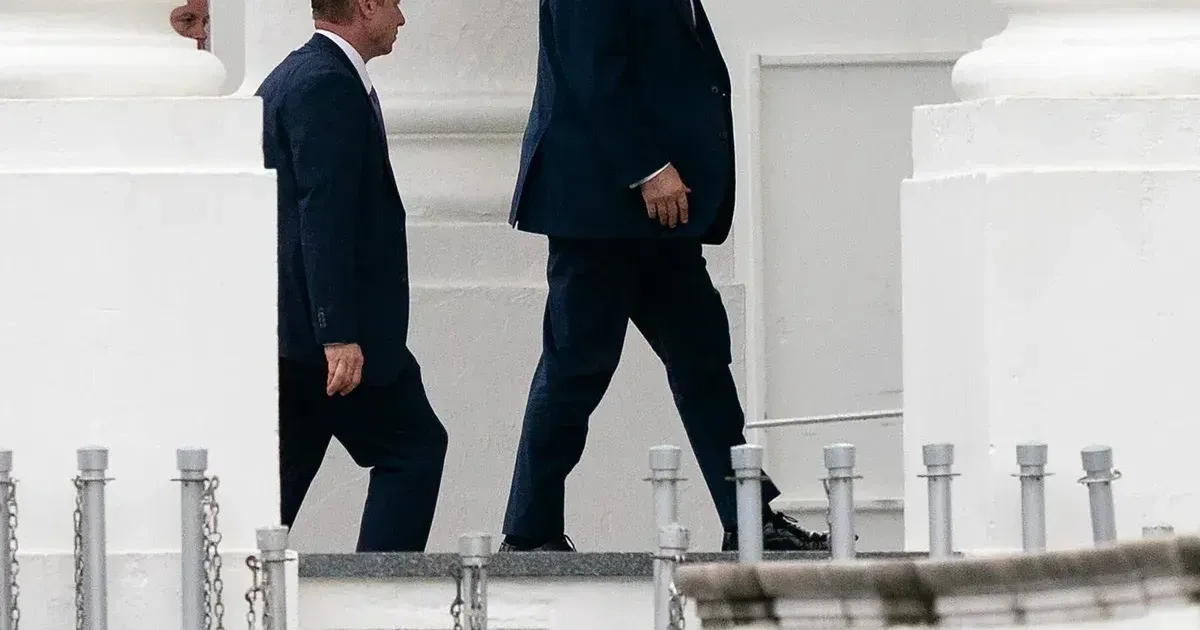
Donald Trump arrived at Walter Reed National Military Medical Center earlier this week for a routine six-month physical assessment. The medical memo gives the White House a clean health headline, but it also invites scrutiny of what the report does and does not disclose. Routine presidential physicals often become political documents when age and stamina are already part of the public debate. Official records, released on May 29, 2026, confirm that the president is in excellent health following a series of tests conducted at the facility. The designation followed a morning of clinical evaluations designed to monitor the president's stamina and wellness.
Dr. Sean Barbabella led the assessment team at the Bethesda medical complex earlier this week. According to the memorandum issued by the physician, medical staff conducted neurological and cardiac evaluations as part of the rigorous protocol for the commander in chief. Results from these screenings returned within normal parameters and showed no reported condition that would affect presidential duties. The medical team at the Bethesda hospital coordinated closely with White House staff to ensure the efficiency of the Tuesday visit.
Cardiac and neurological screenings were central to the evaluation given the high-stress nature of the office. Dr. Sean Barbabella noted that heart function tests returned normal, suggesting the cardiovascular system is functioning as expected for the president. These results provide a baseline for future checkups and serve to document the stability of the president's physical condition. Medical professionals at the site expressed no concerns regarding heart rhythm or pressure metrics during the active testing phase.
Weight gain was noted as a primary change in the physical profile since the previous examination. While the report confirmed general health excellence, the data indicated that Donald Trump gained weight over the last half-year period. Medical staff did not issue specific dietary directives in the public summary despite the recorded increase. New York Times reporting highlighted the weight shift as the only notable numerical change in an otherwise consistent medical record compared to previous disclosures.
Diagnostic Screens and Heart Health Results
Diagnostic screenings for neurological health were a central focus for the medical team throughout the visit. These evaluations typically assess cognitive function, motor skills, and sensory responses to ensure no neurological decline is present. Donald Trump passed these assessments with no identified areas of concern according to the physician memo. Clinical observations during the exam supported the conclusion that cognitive agility persists without the need for medical intervention or follow-up specialized care.
Professional medical standards require these periodic reviews to ensure the stability of the executive leadership. By releasing the findings, the White House aims to provide clarity on the physical readiness of the president for the ongoing demands of his term. This latest report continues a standard of transparency regarding the health of the commander in chief. The summary of the findings shows a consistent pattern of medical stability for the 79-year-old executive.
Physician Certification of Fitness for Duty
Dr. Sean Barbabella asserted that the president is fully fit to carry out the duties of the office without restriction. The certificate of fitness is intended to support continuity in the executive branch. This statement addresses both the constitutional and operational requirements for the head of state to perform his designated roles. Physician certification is a formal process that concludes the physical examination phase and provides a public record of medical readiness.
“The President remains in excellent health and is fully fit to serve as commander in chief,” Dr. Sean Barbabella wrote in the official memorandum released by the White House.
Security around the Walter Reed National Military Medical Center was elevated during the unannounced visit on Tuesday to protect the presidential motorcade. Access to certain wings of the medical facility was restricted while the screenings took place to ensure privacy and safety. Staff at the hospital worked alongside the Secret Service to manage the logistics of the unannounced arrival and departure. These protocols are standard for any presidential visit to a major military medical site.
ABC News reported that the visit was part of a broader effort to maintain public confidence in the physical stamina of the executive branch. Regular medical disclosures are intended to prevent speculation regarding the health of senior government officials. Future assessments are expected to follow the same six-month cadence established by the current medical team. Maintaining a consistent schedule of exams allows the White House medical unit to monitor trends and address any health developments in real time.
Weight Gain Draws Scrutiny Despite Fitness Certification
Maintaining a clean bill of health is an important component of political and operational stability for any administration. The certification of the president as fully fit for duty removes potential medical obstacles from the political discussion. Weight gain data, while noted, is unlikely to shift the narrative regarding executive competence given the reported cardiac and neurological results. Clinical findings of this nature reinforce the administration's stance on the president's ability to manage a demanding schedule. Political analysts often view these medical summaries as a tool for reducing health-related speculation.
The continued transparency with the May 29, 2026, report suggests a commitment to regular disclosure that satisfies both public and institutional expectations. The report is intended to support public confidence in the executive's capacity to lead the military and the federal government through the remainder of the term. The next report will be compared against this baseline, especially if campaign travel or public events intensify. The White House will likely use the report to project stability, while critics will keep asking for enough detail to make the conclusion meaningful. Future medical disclosures will likely be judged against the same standard: whether they offer enough detail to reassure voters without turning routine clinical information into campaign theater. That balance matters because presidential health records can calm markets, shape succession speculation and set expectations for how much information future administrations release during stressful news cycles.