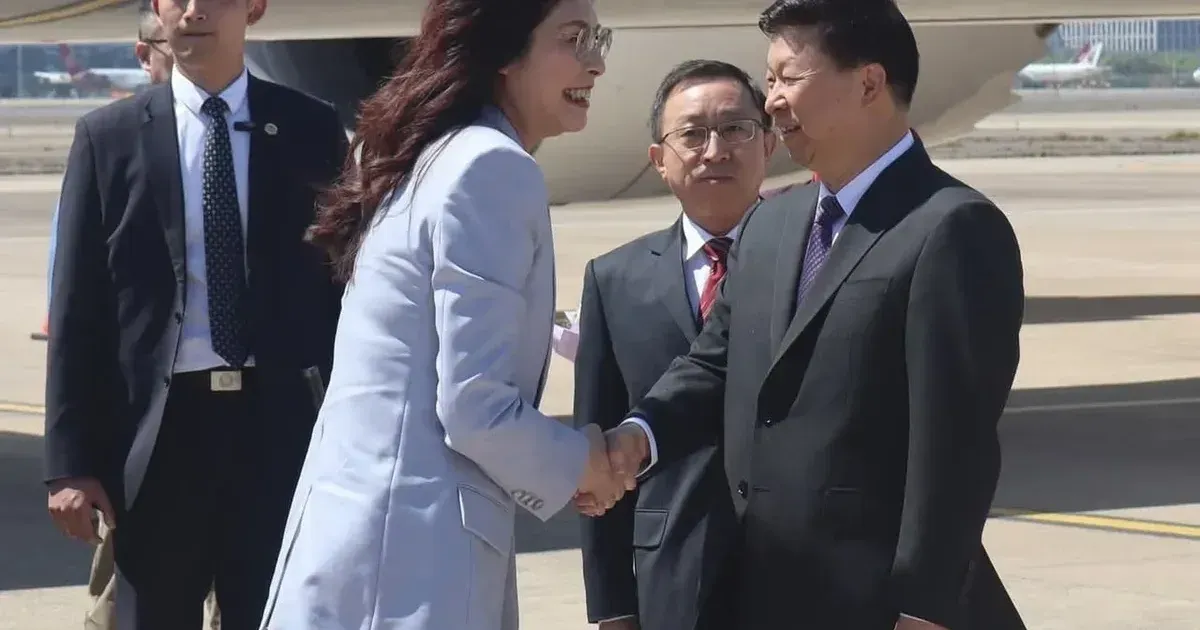
Cheng Li-wun's meeting with Xi Jinping is forcing Taiwan's opposition Kuomintang to defend dialogue at a moment of deep public suspicion toward Beijing. The encounter gives cross-strait communication a visible channel, but it also exposes the party to accusations that it is too willing to accommodate China.
The optics are difficult for any Taiwanese politician. The substance is just as difficult because Beijing treats symbolism as policy. The talks drew attention on April 7, 2026, because Taiwan's domestic politics now shape every contact with Beijing. What might once have been presented as pragmatic engagement is now judged through sovereignty, election strategy and national-security risk.
Cheng Li-wun Outlines Peace Objectives in Shanghai
Shanghai is the initial backdrop for a series of meetings aimed at stabilizing economic and cultural ties. During her opening address, Cheng emphasized her desire to make the Taiwan Strait safe for future generations. She explicitly referenced the current status of the waterway as one of the most dangerous places on earth. Her rhetoric focuses on the shared history between the two regions, though she remains careful to balance these sentiments with the practical realities of Taiwanese public opinion. Beijing has reciprocated this tone by emphasizing the importance of the 1992 Consensus, a framework that previously allowed for functional cooperation between the two sides.
Previous diplomatic efforts often failed because of rigid adherence to ideological positions on both sides of the water. Cheng Li-wun is attempting to bypass these obstacles by focusing on maritime safety and agricultural trade agreements. Reporting by the South China Morning Post indicates that the delegation seeks to restore direct flights to several mainland cities that were suspended during the height of recent military drills. Economic stability is a primary motivator for the KMT leadership, which believes that closer financial integration will prevent the outbreak of armed hostilities. Business leaders in Taipei have expressed cautious optimism about the potential for eased trade restrictions.
"I hope to be a bridge for peace," Cheng Li-wun told reporters before her departure from Taipei.
Kuomintang Leadership Faces Intense Scrutiny in Taipei
Protesters gathered outside the Kuomintang headquarters in Taipei shortly after the delegation departed for the airport. These demonstrators voiced concerns that any meeting with Xi Jinping might be used as a propaganda tool by the Communist Party. Legislative members from the ruling party have called for full transparency regarding the topics discussed during the private sessions in Beijing.
They insist that the opposition has no legal mandate to negotiate on behalf of the government. This domestic pressure creates a narrow path for Cheng, who must satisfy a pro-peace electorate while avoiding accusations of betrayal from more nationalist factions.
Internal party dynamics also play a role in the timing of this mission. Some senior KMT members believe that a successful meeting with the Chinese leadership will prove the party is the only entity capable of managing the relationship with Beijing. Public opinion polls in Taiwan show a deep division regarding the wisdom of such visits. Older voters often favor the stability that KMT diplomacy promises, while younger citizens express skepticism about the long-term intentions of the Chinese government. The delegation must provide concrete evidence of progress to justify the political risks associated with the trip.
Beijing has shifted its diplomatic strategy by issuing a personal invitation to the opposition leader rather than dealing exclusively with state-to-state channels. This decision reflects a desire to cultivate allies within the Taiwanese political system who are more open to the idea of eventual reunification under a framework acceptable to the mainland. State media in China have portrayed the visit as a return to reason and a rejection of separatist ideologies. Xi Jinping is expected to host the delegation in the Great Hall of the People later this week. The ceremony surrounding the meeting will likely be designed to project an image of unity and shared purpose.
Regional security analysts note that China has not ceased its military patrols around the island despite the diplomatic outreach. Military hardware, including J-20 stealth fighters and Type 055 destroyers, continues to operate in the air and sea spaces surrounding Taiwan. This dual-track approach allows Beijing to demonstrate strength while simultaneously offering a path for dialogue. The invitation to Cheng Li-wun is a calculated move to pressure the current administration in Taipei by showing that alternative paths to peace exist. It also tests the resolve of the international community, particularly the United States, in its commitment to maintaining the status quo.
Global powers are monitoring the Shanghai meetings for any signs of a shift in the regional power balance. Washington has maintained a neutral stance on the visit, emphasizing that any dialogue should be conducted without coercion. However, the presence of senior KMT vice-chairmen suggests that the talks will go beyond mere formalities to include substantive policy discussions. These discussions include the potential for new scientific exchanges and the protection of Taiwanese citizens working on the mainland. If these agreements materialize, they would represent the most meaningful cooperation between the two sides in over eight years.
Dialogue Carries Domestic Political Cost
Dialogue can reduce misunderstanding, but it is not politically neutral in Taiwan. Every image, phrase and handshake becomes part of the argument over whether engagement protects stability or weakens deterrence.
That is the cost Cheng and the Kuomintang now carry. They may gain access to Beijing, but they also have to prove to Taiwanese voters that access does not become dependence.