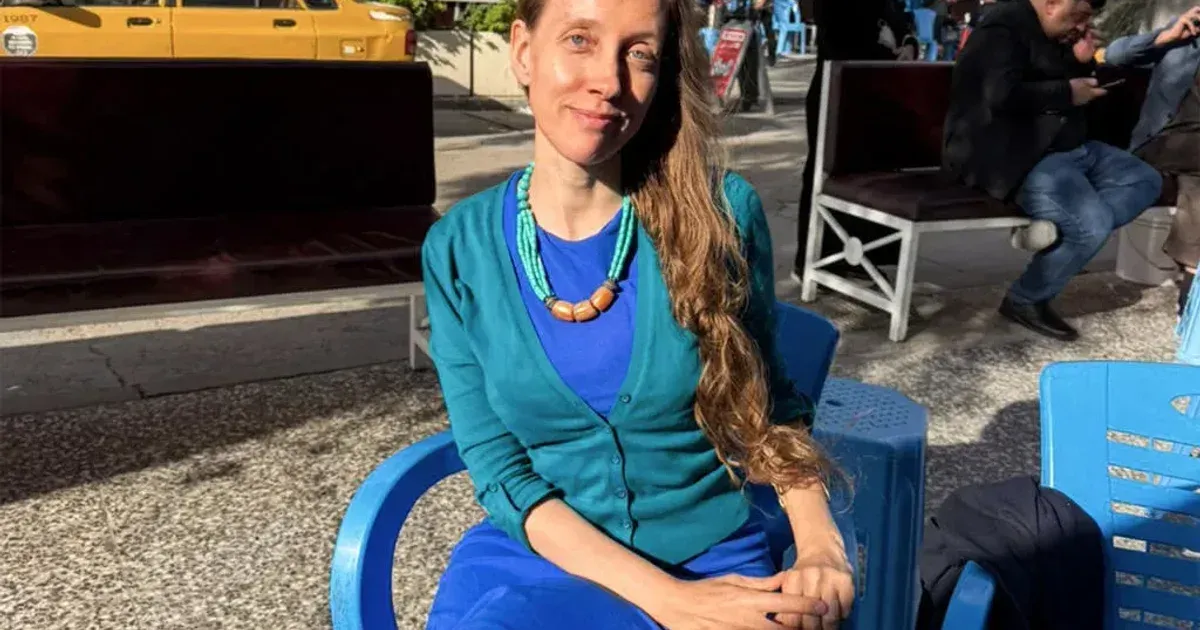
Shelly Kittleson's release ended a week of captivity in Baghdad, but it did not resolve the security problem that made her abduction possible. The American journalist was transferred to Iraqi government custody after being held by an Iran-backed militia. The case is politically sensitive because the terms remain disputed. Iraqi officials presented the release as a goodwill gesture, while other accounts pointed to a more transactional arrangement involving militia-linked prisoners. The transfer took place on April 7, 2026.
Baghdad Security Crisis and the Militia Network
Security within the capital city has deteriorated during the current political vacuum. Armed groups operate with substantial autonomy in the streets of Baghdad, often bypassing official police checkpoints. Kittleson was seized in broad daylight from a location frequently visited by foreign correspondents. Witnesses described the abduction as a coordinated operation involving two black SUVs and several masked men.
Armed factions in Iraq have long viewed foreign journalists with suspicion, frequently accusing them of espionage or bias. This environment makes reporting on the ground increasingly dangerous for Western outlets. Several local journalists have disappeared in similar circumstances over the last year. Most of these cases never receive the international attention garnered by the abduction of an American citizen.
Prisoner Exchange Terms and Regional Diplomacy
Specific details regarding the prisoners released in exchange for Shelly Kittleson remain classified. Sources in the Iraqi interior ministry suggested the deal involved high-ranking figures from a leading Shiite militia. If confirmed, this swap would represent a major concession by the Iraqi judiciary. Critics of the deal argue that such exchanges only encourage future kidnappings as a tool of political leverage. Iranian influence on the ground in Iraq continues to dictate the pace of these negotiations. Tehran often acts as a backchannel for communication between the West and local armed factions. Diplomats in the region believe the timing of the release is tied to broader security talks occurring elsewhere. Stability in Iraq is often a secondary concern for these larger regional actors.
An Iraqi official stated on Tuesday that the release was intended as a gesture of goodwill toward the nation's outgoing prime minister.
Escalation of Threats Against Foreign Correspondents
Kittleson must leave Iraq immediately as a non-negotiable condition of her release. This stipulation, reported by CBS News World, is a de facto deportation by a non-state actor. It highlights the ability of militias to control the narrative by physically removing those who document their activities. Forcing a veteran reporter out of the country signals to other media organizations that reporting has become subject to militia permission.
Press freedom in the Middle East has faced severe setbacks as conflicts evolve into proxy wars between regional powers. Reporters often find themselves caught between the demands of the state and the threats of armed non-state groups. Protective measures for journalists are frequently insufficient against coordinated militia operations. Many news organizations are now reconsidering their physical presence in the capital.
Militia influence extends deep into the Iraqi security apparatus, complicating efforts to track or intercept abductors. Intelligence officials admitted that tracking the location of the journalist was nearly impossible without the cooperation of the militia leadership. Government forces avoided a direct confrontation to ensure the safety of the captive. Negotiations remained the only viable path to a resolution.
While France 24 reported the release as a diplomatic olive branch, the reality on the ground appears more coercive. The militia involved asserted their dominance by dictating the terms of the journalist's departure from the country. They successfully demonstrated their ability to operate outside the reach of the law. This dynamic highlights the fragility of the Iraqi state's monopoly on force.
Foreign correspondents in Baghdad now operate under heightened security protocols. Many have limited their movements to the highly fortified Green Zone. The restriction severely limits the ability of the press to cover the lives of ordinary Iraqis. Direct access to information is becoming a luxury that few can afford. Prime Minister Mohammed Shia al-Sudani faces immense pressure to maintain order as his term draws to a close. His administration has struggled to balance the demands of Western allies with the reality of militia power. The release of Kittleson provides a temporary reprieve from international criticism. It does not, however, solve the underlying issues of security and sovereignty.
Power vacuums in Iraq historically lead to an increase in sectarian violence and criminal activity. Political parties are currently deadlocked over the formation of a new government. The instability provides the perfect cover for militias to assert themselves. They use these moments to consolidate power and demonstrate their relevance to the public. Stability in the region remains elusive as long as armed factions can kidnap foreign nationals with impunity. The international community continues to call for structural reforms within the Iraqi security sector. Such changes are difficult to implement when the very groups needing reform are part of the government coalition. The cycle of abduction and negotiation persists as a standard operating procedure.
Press Freedom Needs More Than a Release
A release is a relief, but it is not the same as accountability. If armed groups can detain a foreign journalist and then dictate departure terms, the state has not fully regained control of the case. That is the warning for press freedom in Baghdad. Reporters can leave a safe house alive and still leave behind a reporting environment where access is decided by the most powerful armed faction on the street.