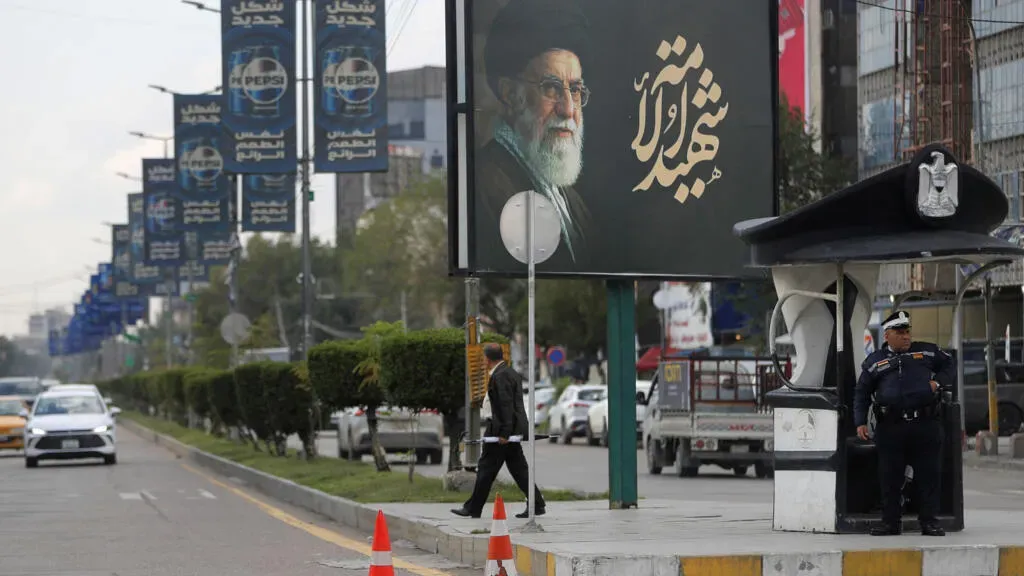
Gunmen in Baghdad abducted American journalist Shelly Kittleson during a period of heightened regional tension. The freelance reporter was seized in the central Karrada district near the historic Palestine Hotel, a location long synonymous with the risks faced by international correspondents in Iraq. Sources familiar with the incident indicate that unidentified men forced her from a vehicle before disappearing into the urban sprawl of the capital city. By March 31, 2026, the kidnapping had revived concern about reporter safety in Baghdad. Iraq remains one of the most dangerous environments for Western media personnel as proxy conflicts intensify.
Kittleson, a veteran correspondent based in Rome, has spent years documenting the complex shifting alliances within the Middle East. Her disappearance marks the first high-profile kidnapping of a Western national since the commencement of recent offensive operations by US and Israeli forces against Iranian interests. Initial reports from France 24 suggest that American officials believe an Iranian-backed armed group orchestrated the operation. Security in the capital had already been strained by frequent drone incursions and street protests.
Advocacy groups identified the victim quickly, noting her extensive history covering regional wars. While CBS News confirmed the abduction through two independent sources and an Iraqi official, no group has officially claimed responsibility for the act. Local authorities have cordoned off several blocks around the site of the snatching. Investigators are currently reviewing CCTV footage from the Karrada neighborhood to identify the getaway vehicles. Evidence points toward a professional operation with pre-planned logistics.
Armed Groups Target Karrada District
Karrada has historically been a central hub for media and commercial activity in Baghdad. The district possesses a dense network of checkpoints, making a daylight abduction a meaningful breach of local security protocols. According to El Pais, the proximity of the incident to the Palestine Hotel adds a layer of grim symbolism to the event. That specific location was where a US tank fired upon journalists in 2003, resulting in the death of Spanish cameraman Jose Couso. The current atmosphere in the district is described as tense but stagnant.
Advocacy groups identified the missing woman as Shelly Kittleson, a freelance journalist based in Rome who has covered several wars in the Middle East.
Security analysts suggest the kidnappers likely monitored Kittleson for days or weeks before striking. The Karrada area is known for its shifting control between federal police and various militia factions. Navigating these zones requires constant vigilance from foreign nationals. Reporters often hire private security details, yet even these measures proved insufficient in this instance. The kidnappers operated with apparent impunity despite the heavy police presence nearby. The abduction follows a broader cycle of regional retaliation, recent strikes on militia infrastructure and heightened scrutiny of Iranian-backed armed groups.
Iranian-backed factions are suspected in the abduction. US officials, speaking on condition of anonymity, have pointed toward Iran as the primary influencer behind the suspected militia group. These factions have repeatedly used hostage-taking as a tool for political leverage in negotiations with Western powers. The timing of the kidnapping aligns with recent strikes on militia infrastructure along the Iraq-Syria border. Retaliation against soft targets like journalists is a recurring pattern in the regional strategy. Political observers note that such actions are intended to signal the vulnerability of US assets in the country.
Tehran has not issued a statement regarding the allegations of its involvement. The relationship between the Iraqi government and these armed groups is full of contradictions. While some militias are technically part of the state security apparatus, they often operate outside the chain of command. This duality complicates rescue efforts and diplomatic negotiations. Baghdad is under immense pressure to secure the release of the American reporter without triggering a wider confrontation. Failure to do so could jeopardize future military aid from Washington.
Washington Response to Iraqi Security Crisis
The State Department is currently working to verify the details of the abduction and establish contact with local mediators. Official policy dictates that the US government does not make concessions to kidnappers, a stance that complicates the path to a quick resolution. Pressure is mounting on the White House to prioritize the safe return of its citizens while maintaining its military posture against regional adversaries. Diplomatic channels in Baghdad are reportedly working overtime to identify the specific faction holding Shelly Kittleson. No ransom demands have been publicized at this stage.
Intelligence agencies are analyzing communication intercepts and social media activity for any signs of a proof-of-life video. Historically, these groups release footage to maximize the psychological impact of their actions. The lack of an immediate public statement from the kidnappers suggests they may be holding her for high-level political bargaining. Security contractors in the Green Zone have been placed on high alert for potential follow-up attacks. The situation remains fluid as the search enters its second day.
Press Freedom Risk in Iraq
The kidnapping underlines how quickly Iraq’s security environment can shift for foreign reporters. Even experienced correspondents face danger when armed groups operate near political and hotel districts.
Washington’s response will need to balance pressure on Iraqi authorities with the immediate priority of locating Kittleson safely. Public blame before facts are verified could make negotiations more difficult.