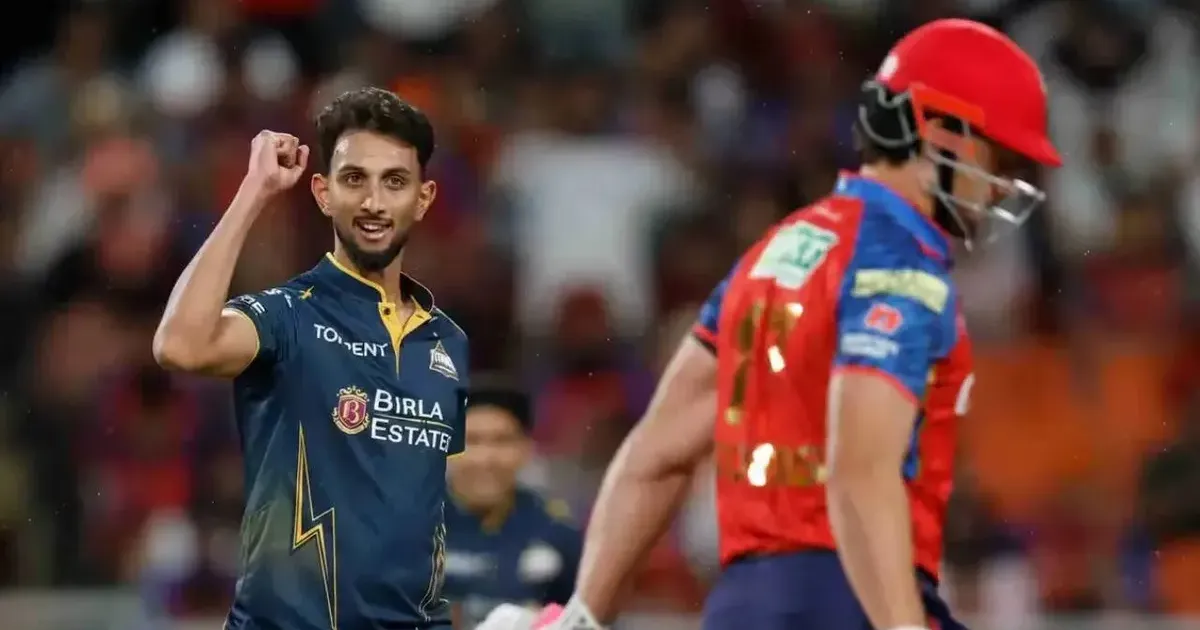
Shubman Gill walked off the field witnessing a Punjab Kings victory that exposed tactical vulnerabilities within the Gujarat Titans lineup. Match officials reported intermittent showers throughout the evening, a factor the Titans captain cited as a primary reason for his team's inability to defend their total. On April 1, 2026, Gill’s post-match comments kept attention on Gujarat’s tactics after the Punjab defeat. Shubman Gill expressed frustration regarding how the atmospheric moisture altered the surface behavior during the second innings, effectively neutralizing the spin threat his bowlers attempted to exert. Humidity levels in Mullanpur reached 82 percent by the start of the tenth over.
Cooper Connolly became the unexpected protagonist for the Punjab franchise, dismantling the Titans' bowling attack with clinical precision. Scoring 72 runs from a mere 41 deliveries, the young Australian left-hander capitalized on a ball that skidded onto the bat with minimal friction. Statistical tracking showed that 64 percent of his runs came through the off-side, exploiting gaps left by a frustrated fielding unit. Punjab Kings eventually chased down the target with three balls to spare.
Cooper Connolly Performance and Batting Conditions
Expert analysis of the batting surface suggests that the moisture trapped under the covers earlier in the day moved to the surface as the temperature dropped. Cooper Connolly managed to time his drives with a fluid motion that seemed incongruous with the struggle seen in the first innings. His strike rate remained above 170 throughout his stay at the crease, a figure that far outpaced the tournament average for the venue. Rain throughout the afternoon essentially vacuum-sealed the pitch, preventing the usual crumbling of the clay base.
Titans bowlers found the wet ball difficult to grip, leading to an uncharacteristic number of full tosses and wide deliveries. Accuracy plummeted in the powerplay, where the Kings scored 58 runs for the loss of only one wicket. Gill later noted that batting looked effortless for the opposition, a stark contrast to the gritty accumulation required by his own top order. Data from the tracking systems confirmed that the ball deviated 1.2 degrees less in the second innings than in the first.
Prasidh Krishna's bowling management remains part of the tactical debate.
Strategy debates intensified around the deployment of Prasidh Krishna, the Titans' premier pace option who stayed on the sidelines during the critical middle overs. Gill waited until the game approached its final stages to reintroduce his strike bowler, a move that critics argue allowed the Kings to build overwhelming momentum. Management had previously emphasized the importance of saving pace for the death overs, yet the rapid scoring of the Kings forced a rethink. Krishna finished his spell with respectable figures but could not undo the damage done by the middle-order assault.
"I could have got Prasidh on earlier, but we were in the game until the end, there will always be ifs and buts. But he came at the right time, took wickets and kept us in the game until the 17th and 18th over," Gill said after the match.
Execution in the 17th over provided a brief glimmer of hope as Krishna claimed two wickets in three balls. Nevertheless, the deficit had already shrunk to a point where Punjab required less than a run per ball for the remainder of the chase. Gill admitted that tactical adjustments might have altered the outcome, though he defended the logic of his decision-making process at the time. Coaches for the Gujarat Titans are expected to review these bowling rotations before their next fixture in Mumbai.
Gujarat Titans Captaincy and Tactical Execution
Captaincy under pressure remains a central theme of the 2026 season as younger leaders like Gill face veteran tactical units. Decisions involving the bowling sequence often determine the flow of an IPL match, particularly when environmental factors favor the chasing side. Critics point to the eighth over as the major shift, where the decision to persist with spin allowed Connolly to find his rhythm. This decision stemmed from a belief that the pitch would hold up longer than it actually did.
Leadership requires a balance between pre-match data and real-time observation of the elements. While the Titans prepared for a dry surface, the sudden influx of moisture required a more aggressive pace-heavy approach in the middle stages. Gill chose to stick to the established plan, a move that prioritized structure over adaptation. Punjab Kings took advantage of this rigidity by attacking the secondary bowlers early in their spells. Victory for Punjab now elevates them to third place on the points table.
Punjab’s win also gave rival teams a template for forcing Gujarat into uncomfortable choices when weather interrupts rhythm.
Gill now has to show that the response is tactical, not only explanatory.
Captaincy Test for Gill
Gill’s explanation will be judged against Gujarat’s tactical choices, not only the rain. Captains can point to conditions, but bowling changes, batting tempo and field placements still define accountability.
The defeat matters because early IPL narratives can harden quickly. A captain who looks reactive in one match may face sharper scrutiny if the next result follows the same pattern.