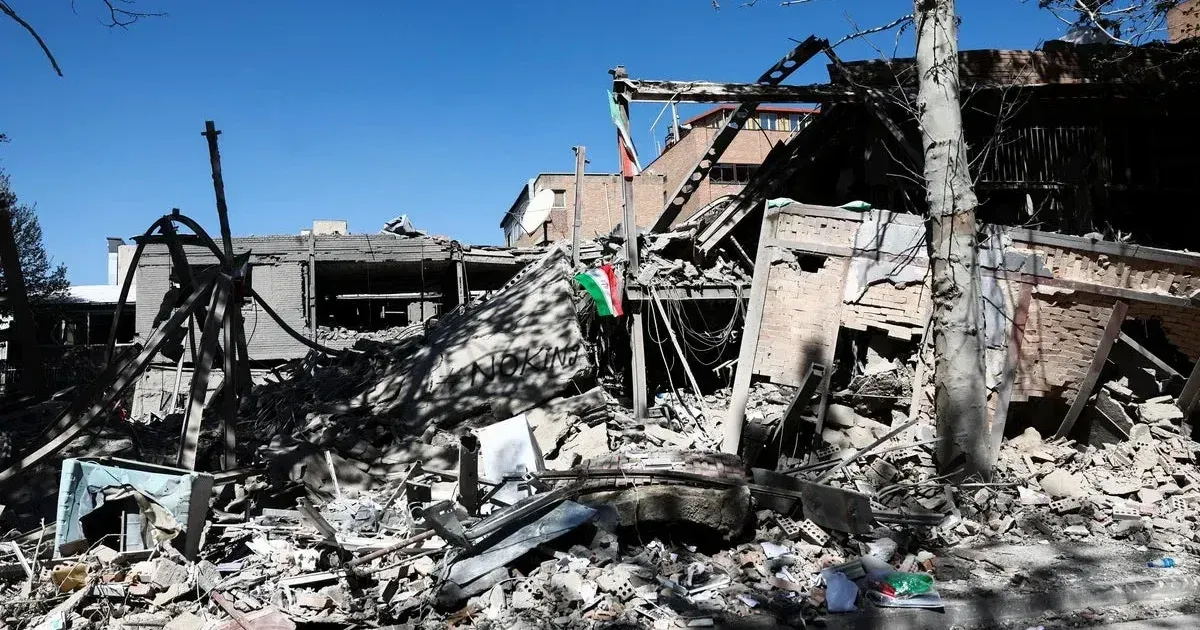
Joint U.S. and Israeli strikes on Iranian transport infrastructure have turned rail lines, bridges and communications access into central elements of the conflict. The military argument is that these networks support logistics; the humanitarian concern is that civilians also depend on them.
The damage pattern now matters as much as the initial target list. The strikes were reported on April 7, 2026, with Mianeh emerging as a key site after a major bridge was destroyed. The situation is especially hard to assess because an internet blackout limits warnings, casualty reporting and independent verification.
Rail Networks and Bridge Destruction in Mianeh
Internet connectivity across Iran vanished within minutes of the initial strikes, rendering the Israel Defense Forces warnings largely invisible to the local population. Tehran frequently utilizes total digital blackouts during periods of unrest or external aggression to control the flow of information. Human rights observers noted that disabling the internet while simultaneously bombing transport hubs prevents civilians from receiving life-saving evacuation data. Connectivity remains restricted in most metropolitan areas, leaving millions in an information vacuum.
Satellite imagery verified the total destruction of the rail bridge at Mianeh, a city known as a transit point for the Islamic Revolutionary Guard Corps. Engineers from the Pentagon had previously identified this location as a high-value target due to its role in moving heavy hardware from underground storage facilities. The structural failure of the bridge forces Iranian logistics officers to rely on slower, more vulnerable mountain roads. Freight capacity in the northern corridor dropped by an estimated 60 percent immediately following the hit.
Israeli military sources stated that "presence on trains and near railway lines endangers your life" in a message intended for the Iranian public.
Pentagon Evaluation of Water Treatment Facilities
Planning for the offensive originated weeks ago within the halls of the Pentagon, where officials compiled a list of energy and utility sites. White House advisers, operating under a deadline set by Donald Trump for Tuesday night, weighed the risks of striking dual-use infrastructure. While transport links are clear military targets, the inclusion of water treatment plants in the strike list sparked intense debate among international legal scholars. Proponents of the strikes argue that these facilities power the military-industrial complexes required for uranium enrichment.
Financial estimates for the reconstruction of the destroyed transport links exceed $11 billion, according to regional economic analysts. The Iranian rial plummeted to a new record low against the dollar as news of the infrastructure damage reached global markets. Investors anticipate a prolonged period of instability that will likely halt all remaining non-oil exports from the country. Severe damage to the railway system prevents the efficient transport of grain and medical supplies to the rural provinces.
Communication Blackouts and Civilian Warning Protocols
Digital silence continues to hamper rescue efforts and the assessment of civilian casualties in Mianeh and other targeted zones. The Iranian government frequently uses these blackouts to mask its own internal security movements while searching for dissenters. Foreign news agencies rely on sporadic satellite phone reports and leaked footage from the border regions to piece together the extent of the damage. Local residents in Tehran described a night of sonic booms and the constant hum of surveillance drones.
Railway employees in Mashhad and Tabriz reportedly refused to show up for work after hearing of the strikes. The psychological impact of targeting the national train system appears to be a calculated component of the U.S.-Israeli strategy. By rendering the most reliable form of long-distance travel unsafe, the coalition has effectively paralyzed the movement of the Iranian workforce. Cargo containers sit idle at major junctions across the country.
Airstrikes did not limit themselves to the northern rail lines. Reports from the Persian Gulf coast suggest that port facilities and coastal bridges also faced bombardment. Logistics experts believe the goal is to isolate Tehran from its periphery, creating a fragmented internal landscape where the central government cannot easily deploy reinforcements. The Iranian military has not yet released a full casualty count from the Mianeh engagement.
Military planners in Washington maintain that every target on the list holds direct relevance to the Iranian nuclear program or its regional proxy network. Internal documents suggest that the Pentagon views the disruption of basic utilities as a method to increase the domestic cost of the regime's foreign policy. Critics, however, warn that destroying water treatment plants could trigger a humanitarian crisis that goes beyond simple military objectives. Previous strikes on energy grids have already pushed the Iranian middle class toward the brink of poverty.
Reports from TASS indicated that Russian officials were notified of the strikes only minutes before the first missiles were launched. This lack of coordination with other regional powers suggests a high degree of confidence or a desire for total operational secrecy from the U.S. and Israel. Moscow has historically provided technical support for Iranian infrastructure projects, including the now-destroyed rail links. The destruction of these assets removes a key piece of Russian influence in the region's transport logistics.
Defense analysts project that the current pace of strikes will continue until the Iranian government agrees to a new set of security concessions. The focus on infrastructure indicates a departure from previous campaigns that primarily targeted military bases and missile silos. Modern warfare now prioritizes the dismantling of the logistical and economic foundations that allow a nation to sustain a long-term conflict. Mianeh is only the first major hub to fall in a broader campaign to deconstruct the Iranian state apparatus.
Infrastructure War Raises Civilian Risk
Transport infrastructure can be militarily relevant without losing its civilian importance. That is why proportionality and warning procedures matter so much when bridges, rail corridors and water systems are placed near a target list. The strategic risk is that infrastructure war can outlast the immediate strike campaign. Damaged rail lines, communications blackouts and pressure on water treatment plants can turn a military operation into a civilian survival crisis long after the aircraft leave.