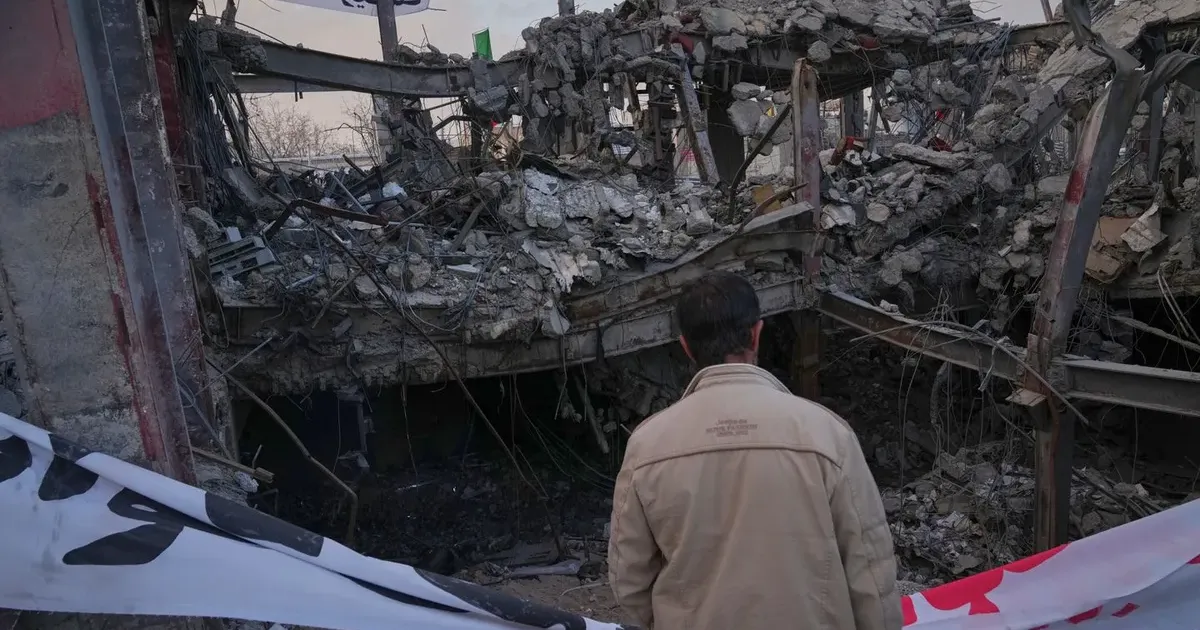
Donald Trump's warning to Iran after the B1 bridge strike near Karaj carried more than battlefield theater. The strike damaged one of the country's most visible transport projects and put civilian infrastructure at the center of the U.S.-Iran conflict. Iranian officials and state-linked reports said civilians were killed and many more were injured, while outside coverage described a major bridge collapse and renewed threats against other bridges and power plants if Tehran refused a deal.
The target and casualty claims change the argument. A strike on a bridge can be defended if the target is being used for military movement, supply routes or direct operational advantage. It becomes less defensible when the public message sounds like punishment, humiliation or pressure on the civilian economy. The administration may believe the bridge had military value, but the political meaning of the target is now inseparable from the legal scrutiny around it.
Karaj Strike Carries Legal Weight
Bridges are dual-use targets by nature. They can move troops and missiles, but they also move commuters, medical traffic, food, fuel and emergency crews. The dual-use nature is why the law of armed conflict asks more than whether a structure can help the enemy in some abstract way. It asks whether the expected military advantage is concrete and whether civilian harm is proportionate.
The B1 strike is especially sensitive because reports from Iran described civilian casualties and a second strike after responders had arrived. Washington does not have to accept every Iranian claim at face value, but it cannot treat those claims as irrelevant either. Once civilian harm becomes plausible and visible, the burden shifts toward explanation, evidence and discipline.
Ultimatums Need Defined Terms
Trump's language has leaned heavily on pressure: make a deal, stop attacks, accept U.S. demands or face worse consequences. Coercion is a normal part of statecraft, but it only works cleanly when the terms are knowable. If Tehran is being offered a path out, Washington has to define that path. If Tehran is being punished, the administration has to explain what punishment is meant to achieve.
Vague threats create room for miscalculation. Iranian commanders can assume the United States is moving toward wider infrastructure destruction. U.S. allies can struggle to tell their publics what line separates military necessity from collective pressure. Markets, shipping firms and regional governments then price in escalation before any official doctrine catches up.
Civilian Harm Becomes Strategic Evidence
Iran will use the bridge images aggressively. A damaged transport link is easier to turn into a public symbol than a radar site, a missile launcher or a coastal-defense battery. Tehran can frame the attack as proof that Washington wants civilian pain, even if U.S. planners believed the target served a military purpose.
Visible civilian harm matters because modern conflicts are judged through images as much as briefings. A military success can become a diplomatic liability when the visible effect is collapsed concrete, blocked roads and grieving families. The United States may win a tactical exchange and still lose ground in the regional argument over legitimacy.
Allies Inherit the Defense
American allies watch the military outcome and inherit the political defense of the campaign. European governments, Gulf partners and Asian energy importers may all share concern about Iranian attacks on shipping, but they also need to explain why U.S. methods remain limited and lawful.
The allied defense weakens when bridges and power plants enter presidential rhetoric. Allies can defend strikes on launch sites and naval threats with a clearer argument. They face a more difficult case when infrastructure attacks appear tied to an ultimatum. The more the campaign looks designed for public intimidation, the more allied support becomes conditional and brittle.
Infrastructure War Expands the Risk
The largest danger is category drift. Once bridges are treated as acceptable pressure targets, power plants, ports, refineries, telecommunications nodes and water systems can move closer to the same category. Each step can be described as limited in isolation. Together, they can turn a military campaign into a campaign against the civilian economy.
The Karaj strike will be judged by two standards at once: whether it reduced Iran's military ability to harm U.S. interests, and whether it pushed a negotiated exit farther away. The military and diplomatic standards can point in different directions. A bridge can fall in seconds, but the legal and political consequences can last through every later negotiation. If Washington wants leverage rather than lasting damage to its own case, it has to show the target was necessary, the civilian cost was weighed and the next threat is controlled by strategy instead of impulse.