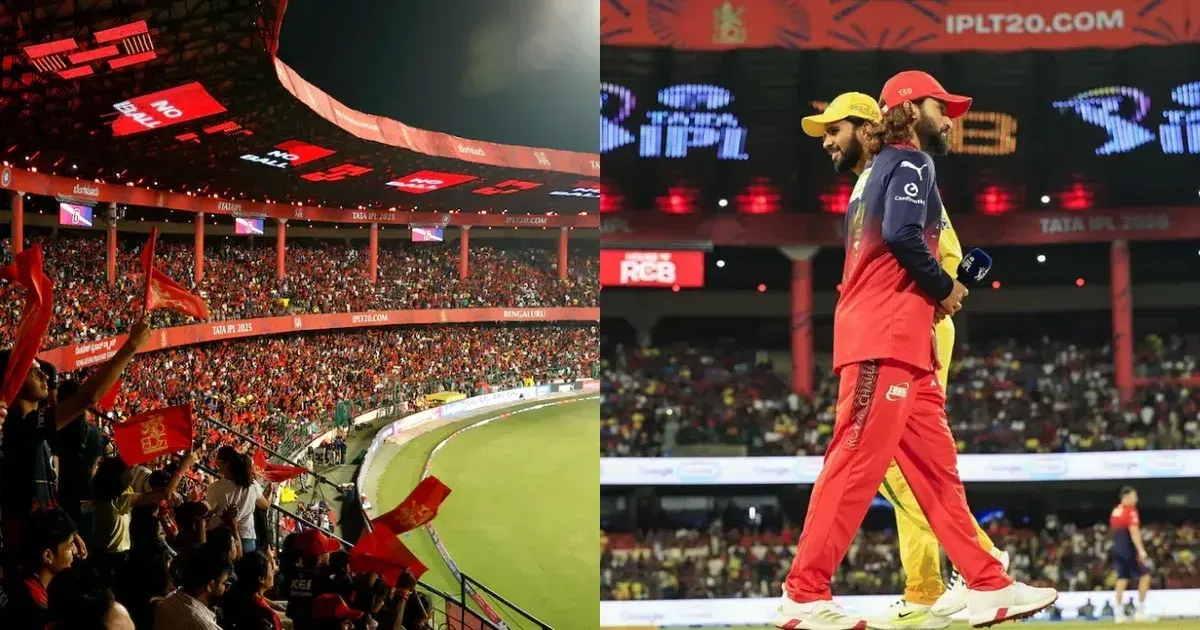
A stadium song turned the southern IPL rivalry into a formal complaint. Chennai officials framed the dispute as a matter of respect rather than ordinary matchday noise. The complaint shows how franchise rivalry can move from entertainment into cultural politics. On April 16, 2026, Chennai Super Kings executives submitted a formal complaint to the Board of Control for Cricket in India over alleged cultural misconduct during an Indian Premier League match. Grievances center on a specific song played at the M. Chinnaswamy Stadium that allegedly ridiculed the cultural identity of the Chennai franchise through reductive food stereotypes. Documented reports from the match against Royal Challengers Bengaluru suggest the stadium DJ used derogatory lyrics and verbal taunts to heighten home-crowd aggression.
Lyrics involving dosa and idli were broadcast at high volume whenever a Chennai batsman was dismissed, creating a hostile environment that officials claim goes beyond standard sporting banter. Franchise leaders from Chennai argue that such tropes are exclusionary and discriminatory in a multi-ethnic league. Bengaluru officials have yet to issue a formal apology or explanation for the choice of tracks. Investigators are currently examining whether the playlist was pre-approved by the venue management or an impromptu decision by the entertainer. The match concluded with heightened security presence around the visiting dugout.
Royal Challengers Bengaluru Faces Scrutiny Over DJ Conduct
Audio recordings submitted to the Board of Control for Cricket in India capture the stadium announcer making pointed remarks regarding the personal habits and regional backgrounds of the Chennai players. While standard fan interaction is encouraged in the $10 billion league, the line between excitement and harassment has reportedly been crossed. Previous incidents of DJ misconduct in the IPL led to fines, but this case involves a direct allegation of systemic cultural mockery. Crowd behavior was allegedly influenced by the provocative nature of the audio choices. Spectators near the boundary reported hearing specific slurs tied to the rhythmic beat of the dosa-idli song.
Stadium entertainment protocols require all music to be neutral or generally celebratory of the sport. Internal documents from the RCB management suggest that the entertainment team is outsourced to a third-party agency. This agency remains under investigation for failing to adhere to the league's inclusivity charter. One witness claimed the DJ laughed into the microphone after a top Chennai player fell for a golden duck. The Governing Council has the power to ban specific entertainers from future matches if found guilty of inciting regional animosity.
Chennai Super Kings Alleges Cultural Stereotyping
Regional tensions often simmer beneath the surface of the Southern Derby, but the use of food-based tropes has historically been viewed as a tool for marginalization. Chennai management maintains that reducing a historic culture to breakfast items like Idli and Dosa is a form of soft bigotry that the IPL must address. Sources close to the team indicate that players felt distracted and insulted by the constant repetitive nature of the audio. Fans from the Tamil Nadu region have voiced their anger on digital platforms, calling for a boycott of the Bengaluru venue. The intensity of the rivalry usually resides in the skill of the athletes rather than the prejudice of the staff. The controversy at M. Chinnaswamy Stadium follows earlier reports on star player performance at the same venue.
Tamil cultural organizations in London and New York have also monitored the situation, noting that the IPL's global footprint makes such incidents internationally visible. Stereotyping often leads to further harassment in the stands among rival fan groups. Security footage from the April 15 match shows several verbal altercations between supporters that were allegedly sparked by the DJ's commentary. League officials are wary of the commercial impact if families feel the stadium atmosphere is becoming toxic. The complaint seeks a permanent ban on the specific track and a public retraction from the Bengaluru franchise.
"The use of regional stereotypes to mock our players and fans is a violation of the spirit of the game and the inclusive culture the IPL claims to promote," stated a representative for Chennai Super Kings in the formal filing.
Southern Derby Rivalry Reaches New Friction Point
Friction between these two franchises dates back to the inception of the league in 2008, driven by the proximity of the two cities and their differing sporting philosophies. Matches between these teams generate the highest viewership numbers in the tournament. This incident marks the first time that cultural identity has become a formal legal matter between the clubs. Instead of the usual focus on bowling figures or batting strikes, the conversation has shifted to social ethics. Future fixtures between the two sides may see increased security and pre-vetted entertainment schedules. The rivalry is no longer confined to the cricket pitch.
Players from both sides typically maintain a professional camaraderie, but the involvement of the stadium staff has soured the post-match interactions. Social media analytics show a 400% increase in regionalist rhetoric following the game. Bengaluru fans argue that the song was meant as harmless fun, while Chennai supporters view it as a calculated insult. The league must now decide if it will intervene in the cultural narrative of the sport. Data shows that matches with high controversy levels often see a spike in ticket sales for subsequent rounds. The BCCI disciplinary meeting is scheduled for 10:00 AM in Mumbai.
Rivalry Culture Under Review
The world's most lucrative cricket league risks trading professional dignity for the cheap thrills of schoolyard taunting. The Indian Premier League thrives on a carnival atmosphere, but the descent into regional stereotyping through the dosa-idli song suggests a management failure that prioritized local tribalism over professional standards. It is a crude attempt to monetize resentment. If the BCCI fails to impose a harsh penalty, it effectively signals that every venue is free to weaponize the cultural identity of its opponents for a few laughs. The conduct goes beyond fan engagement and represents a regression into the very tropes that progressive sports marketing claims to have moved past.
The silence from the Bengaluru front office is as telling as the DJ's playlist. By refusing to immediately distance themselves from the stereotyping, they have signaled a tacit endorsement of the tactics used to unsettle the visiting team. It is a display of insecurity from a franchise that should rely on its star-studded roster instead of an outsourced audio technician. The league's $10 billion valuation will not protect it from the stench of regional bigotry if these incidents become the new normal. Professionalism requires the restraint to keep the competition between the white lines.
The BCCI must now choose between the integrity of the game and the rowdy, undisciplined circus that the M. Chinnaswamy Stadium allowed to fester on April 15. The BCCI now has to determine whether the evidence warrants discipline and tighter entertainment controls at future fixtures.