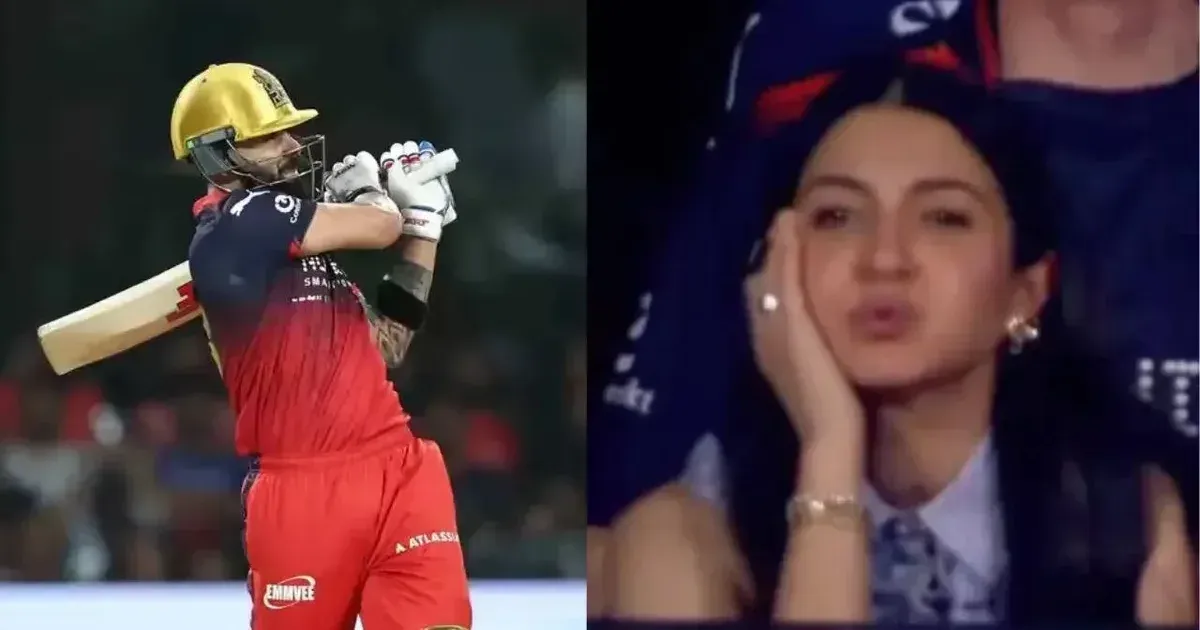
Virat Kohli gave RCB the calm innings it needed while managing a visible injury concern. On April 16, 2026, he anchored the Royal Challengers Bengaluru innings during a high-stakes encounter against the Lucknow Super Giants. His performance, while statistically significant, arrived under a cloud of physical distress that has sparked intense debate among sports medical professionals. Facing a modest target of 147 runs, the veteran batsman produced a calculated 49 off 34 deliveries to stabilize a chase that appeared unstable in its early stages. Boundary hitting was still a hallmark of his approach as he struck six fours and one six, providing the necessary momentum to keep the required run rate under control.
Conflicting reports from the stadium emerged regarding the conclusion of his innings. While some early dispatches claimed Kohli fell victim to a catch by Nicholas Pooran off the bowling of Avesh Khan, late official scorecards confirmed he finished the match as the unbeaten hero. Such discrepancies in real-time data reporting often occur during the frantic closing moments of a five-wicket victory. Regardless of the statistical fog, his presence at the crease proved to be the decisive factor in overcoming a disciplined Lucknow bowling attack that used the slowing pitch conditions effectively.
Batting Mechanics and Scrutiny of the 49 Run Knock
Technical observers noted a slight change in his stance during the middle overs as he navigated a series of slower balls from Avesh Khan. Kohli prioritized placement over raw power, a necessity dictated by a noticeable lack of explosive movement in his lower body. He appeared to favor his right leg during several quick singles, a mechanical compensation that suggests a deeper physical issue than a simple bruise. Observers from the boundary reported a visible grimace after a particularly aggressive sweep shot in the tenth over.
Lucknow Super Giants attempted to exploit this perceived vulnerability by targeting him with short-pitched deliveries. Kohli responded by using his wrists to guide the ball into gaps, effectively neutralizing the pace. Nicholas Pooran, stationed at long-on, was still a constant threat throughout the powerplay. The tactical battle between the bowler and the batter reached a climax when Kohli launched a lofted drive that barely cleared the inner circle. His ability to manipulate the field despite restricted mobility continues to differentiate him from younger contemporaries who rely on sheer athleticism.
Kohli said he was still not 100% because of a sore knee and illness, but added that the team's batting depth made it easier to play smart.
Anushka Sharma watched from the VIP enclosure as her husband navigated these physical hurdles. Her reaction, captured by high-definition broadcast cameras, went viral across digital platforms within minutes of the final run. Her expression shifted from visible anxiety during a near dismissal to a look of relief as the winning runs were secured. Celebrity presence in the Indian Premier League often magnifies the psychological pressure on players, yet Kohli seems to thrive under this intense public scrutiny. This tense win follows a previous contentious Bengaluru victory involving Kohli's recent on-field conduct.
Clinical Assessment of Kohli Medical Condition
Post-match interviews brought a blunt admission of health struggles that many suspected throughout the evening. Kohli confirmed he is currently managing a sore knee alongside a lingering illness that has sapped his typical energy reserves. Medical experts suggest that playing through a knee injury on a cricket pitch requires meaningful pharmaceutical intervention and rigorous physical therapy. These conditions elevate the risk of a long-term ligament strain if the workload remains unmanaged during the busy April schedule. Professional athletes often hide these vulnerabilities to maintain a competitive psychological edge over their opponents.
Respiratory illness further complicates the recovery process for a professional athlete. Dehydration during a high-intensity T20 match in the heat of Bengaluru can worsen muscle fatigue and lead to cognitive lapses. Kohli emphasized the importance of the team's batting depth, suggesting that his role has shifted from a primary aggressor to a strategic anchor. Reliance on smart play rather than physical dominance allows him to contribute even when his body indicates a need for rest. This evolution in his game plan reflects a maturing understanding of his physical limitations as he approaches the twilight of his career.
Fitness Shadow Over RCB Win
Placing an aging icon on a pedestal creates a dangerous fragility for the league that goes beyond simple win-loss records. Kohli’s admission of illness and injury may be a symptom of a commercial machine that refuses to let its stars rest. The Indian Premier League operates on a cycle of exhaustion where the health of the player is perpetually secondary to the demands of broadcasters and sponsors. By taking the field at less than full capacity, Kohli risks a career-ending injury that would leave the franchise in a much deeper hole than a mid-season loss ever could.
The warrior-athlete narrative deserves scrutiny when a player is pushing through pain. This is a business decision masked as grit. The discrepancy in match reporting only adds to the sense that the IPL has become a controlled spectacle where the image of the star matters more than the objective reality of the game. If the league is to evolve, it must prioritize a transparent injury management system that protects players from their own competitive instincts. Until that happens, the league is accepting a high-stakes risk with a player's physical future as the primary collateral.