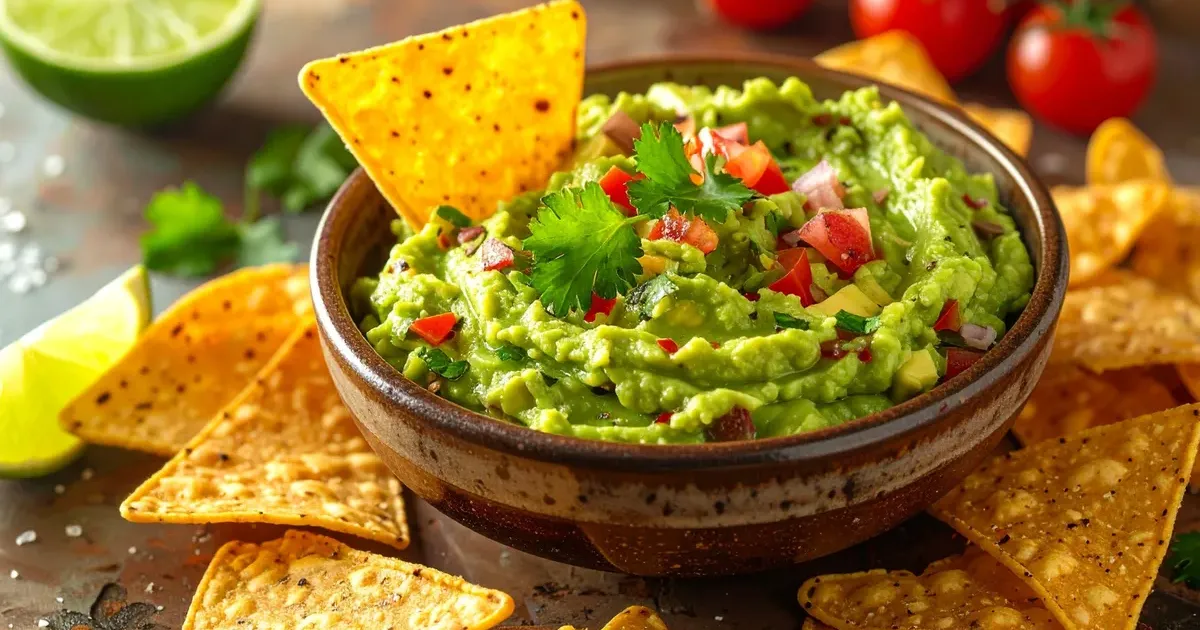
April 1, 2026, marks a meaningful shift in the culinary habits of high-end dining establishments as chili crisp replaces traditional lime and cilantro as the preferred flavor enhancer for guacamole. Professional kitchens in New York and London report that the integration of this oil-based condiment provides a complexity that standard recipes lack. Modern consumers increasingly demand a combination of creamy textures and intense heat. This preference has driven sales for premium condiments to record heights over the last fiscal quarter.
Chefs frequently cite the structural contrast between the soft fruit and the crunchy bits of fried garlic and shallots found in chili crisp. Traditional guacamole relies heavily on acidity. Integrating an oil-based heat source changes the chemical interaction between the avocado fats and the human palate. Capsaicin, the active component in peppers, binds more effectively to fats, which extends the duration of the spice experience during consumption.
Culinary experts note that the origins of this trend stem from the global rises of Lao Gan Ma and artisanal competitors. While salsa macha serves a similar purpose in Mexican regional cooking, the broader market adoption of Asian-inspired chili crunches has bridged a gap between disparate food traditions. Producers in Michoacan, Mexico, have begun noting increased demand for avocados that can withstand the heavier, oily additions without losing structural integrity.
Chili Crisp Gains Momentum in Commercial Kitchens
Restaurant groups throughout the United States have modified their appetizer menus to include these spicy variants. Industry analysts at the $11 billion condiment research firm, Global Flavor Dynamics, observed that chili-heavy guacamole sales rose 24% in early 2026. Smaller establishments follow the lead of Michelin-starred venues that first experimented with fermented soy and toasted seeds in their dip preparations. The result is a richer profile that appeals to a demographic bored with standard lime-heavy interpretations.
Texture plays a decisive role in this specific culinary evolution. Standard guacamole often suffers from a monolithic mouthfeel. Introducing toasted chilies and fried aromatics creates a sensory split. Diners react to the crunch first, followed by the cooling effect of the avocado. Such layers of experience are what differentiate a premium product from a mass-market commodity.
Suppliers are struggling to keep pace with the specific ingredients required for high-quality chili crunches. Dried Sichuan peppercorns and high-quality soybean oils are seeing price fluctuations. Despite these costs, the added value of a "fusion" guacamole allows restaurants to increase price points. A single bowl of elevated guacamole now commands a 15% premium over its traditional counterpart in major metropolitan areas.
Evolution of Avocado Texture and Heat Profiles
Flavor scientists explain that the richness of the avocado acts as a carrier for the volatile compounds in the chili oil. When a diner consumes a spoonful of guacamole spiked with chili crisp, the fat coats the tongue and allows the spice to penetrate deeper into the taste buds. This interaction prevents the heat from becoming overwhelming. Instead, it creates a lingering warmth that encourages repeat bites. Many recipes now include a small amount of honey or brown sugar within the chili oil to provide a counterpoint to the saltiness of the chips.
Consistency remains the greatest challenge for home cooks attempting to replicate these professional results. Store-bought guacamole often contains preservatives that can clash with the delicate aromatics of a premium chili oil. Expert advice suggests preparing the avocado base immediately before adding the condiment to prevent oxidation. Freshness ensures that the vibrant green of the fruit provides a visually striking contrast to the deep red of the spicy oil.
The combination of toasted aromatics and the natural creaminess of the Hass avocado creates a flavor profile that connects across different cultural palates, according to a spokesperson for the International Culinary Institute.
Innovation does not stop at the addition of heat. Some variants now include toasted sesame seeds and dried mushrooms to enhance the umami characteristics. These additions move the dish further away from its Mesoamerican roots and closer to a global fusion staple. PURISTS occasionally object to these deviations, yet market data shows that the modern diner prioritizes novelty over strict adherence to tradition.
Supply-chain Dynamics for Avocado and Oil Components
Michoacan remains the primary source for the 2.4 million tons of avocados consumed annually in the North American market. Farmers in this region face evolving pressure to produce fruit with higher oil content to match the flavor profiles required by new recipes. Simultaneously, the production of chili crisp requires a steady supply of neutral oils and specific chili varieties. Any disruption in the trans-Pacific trade routes for spices affects the availability of the best condiments.
Logistical hurdles continue to influence the final price at the grocery store. High-quality chili crisp often requires small-batch production methods to maintain the crunch of the solids. When these products are shipped alongside heavy produce like avocados, the carbon footprint of a single bowl of guacamole increases. Environmental analysts are closely monitoring how the demand for complex condiments impacts overall sustainability in the food sector.
Market participants are also watching the legal landscape regarding "chili crunch" branding. Trademark disputes between major manufacturers have highlighted the immense value associated with this specific category of condiment. As more companies enter the space, the variety of spice levels and ingredients will likely expand. This competition keeps quality high while preventing any single brand from monopolizing the guacamole-enhancement market.
Economic Impact of the Premium Condiment Market
Global sales for spicy condiments reached a new peak in the first-quarter of 2026. Much of this growth is attributed to the "premiumization" of household staples. Consumers are willing to spend more on a single jar of high-quality chili crisp if it allows them to elevate inexpensive base ingredients like avocados or rice. Economists refer to this as the "lipstick effect" in the food industry, where small luxuries thrive during periods of broader financial uncertainty.
Retailers have responded by placing high-end oils and crunches directly adjacent to the produce section. The strategic placement encourages impulse buys among shoppers looking for a quick way to improve their weekly meals. Data from major supermarket chains indicates that shoppers who buy avocados are 40% more likely to purchase a spicy condiment when the items are displayed together. The cooperation between these two categories has created a new revenue stream for grocery stores.
Venture capital firms have also noticed the trend, pouring millions into boutique condiment startups. These companies focus on specific niche markets, such as extra-spicy or vegan-friendly crunches. The diversity of the market ensures that there is a version of the condiment for every type of guacamole fan. As the market matures, the integration of these flavors will become a standard expectation rather than a novelty.
The Elite Tribune Strategic Analysis
Is the death of traditional guacamole a loss for culture or a victory for the global palate? The answer lies in the undeniable power of the market to commodify authenticity. For decades, the industry sold a specific, sanitized version of Mexican cuisine that relied on the simple trio of lime, salt, and cilantro. The era is over. The rise of chili crisp as a mandatory addition to avocado-based dishes is a hostile takeover of the flavor profile by the umami-obsessed global north. It is a calculated move by the food industry to extract higher margins from a staple crop that has seen price volatility for years.
We see a future where no food is safe from the homogenizing force of the "fusion" label. While the sensory experience of chili-spiked guacamole is objectively superior to a bland, oxidized store-bought tub, the cost is the erasure of regional specificity. Salsa macha should be the natural partner here, yet it has been overshadowed by the marketing might of the chili crisp movement. It is not a coincidence. It is the result of a condiment industry that values shelf-stability and crunchy textures over the fresh, ephemeral qualities of traditional salsa.
The consumer wins a better-tasting chip dip, but the culinary world loses another piece of its soul to the altar of the crunchy, oily, and profitable. Demand for complexity will only increase, and with it, the price of entry for a simple meal.
Guacamole has become a luxury vehicle for expensive oils. The avocado is now merely a substrate.