Walmart faced renewed criticism on March 31, 2026, as independent product reviews identified meaningful quality gaps in its Great Value canned soup line. Industry analysts observing the retail sector noted that the shift toward budget-conscious shopping has forced many consumers to rely on private label products, yet the physical quality of these goods varies wildly between competing chains. Recent testing by organizations such as Tasting Table and The Takeout indicate that the promise of equivalent value is often a hollow marketing claim. These findings arrived as grocery inflation continues to strain household budgets across the United States.
Retailers argue that their house brands offer a necessary reprieve from rising costs. Independent testers, however, suggest that the sacrifice in texture and ingredient integrity may outweigh the financial savings. Data from the first-quarter of the fiscal year shows a 12% increase in private label adoption across the midwest. Most consumers assume that store brands are simply rebadged versions of name-brand products manufactured in the same facilities. Manufacturing contracts often stipulate lower-grade ingredients or different processing methods for the budget versions. Profit margins on these items stay high precisely because of these hidden compromises.
Walmart Canned Soup Texture and Ingredient Distribution
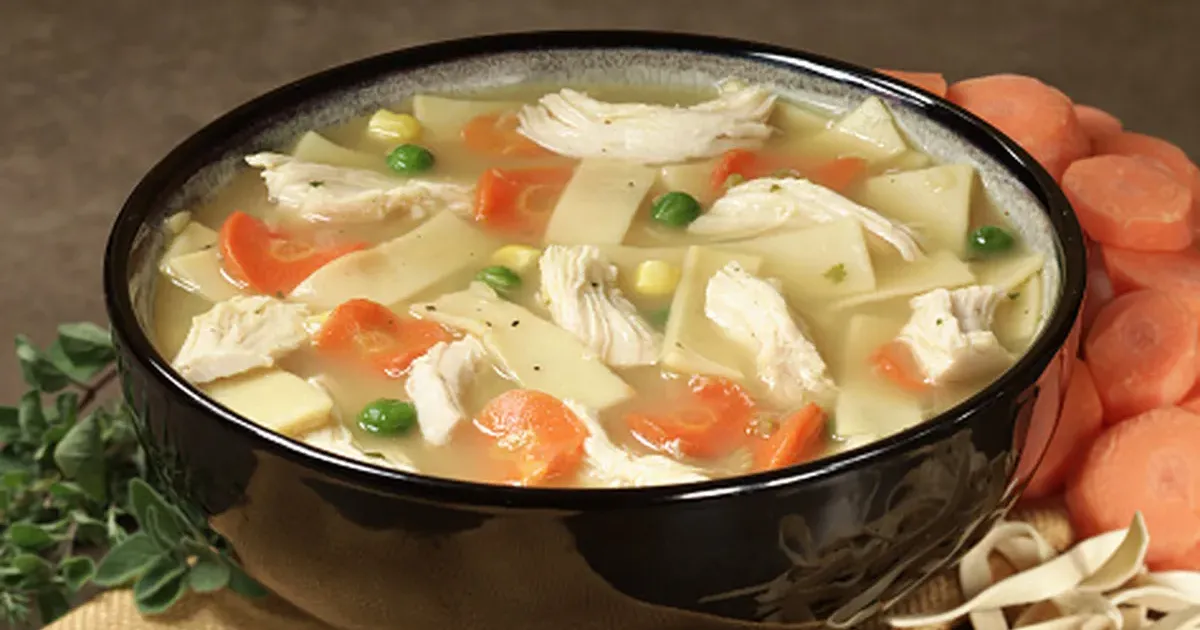
Flavor profiles in the canned soup aisle have become a trigger point for consumer dissatisfaction with low-cost options. Analysis of the Great Value Chicken Noodle Soup reveals a persistent failure in the ratio of solids to liquids. Testers reported that the vegetables frequently lack the necessary structural integrity, resulting in a mushy consistency that fails to satisfy. Broth quality also fell short of expectations, with many reviewers describing the liquid as overly salty and lacking any depth of poultry flavor. Noodles in these cans often disintegrate upon contact with a spoon.
Such manufacturing shortcuts prioritize shelf life over the culinary experience of the end user. Budget shoppers might save fifty cents per can, but they lose the nutritional density and satiety associated with higher-quality ingredients. Production logs from third-party co-packers indicate that Walmart maintains strict cost caps on its Great Value line. These caps force suppliers to use mechanized harvesting for vegetables, which increases the likelihood of including fibrous or damaged produces in the final blend. Ingredient lists show that salt and MSG are frequently used to mask the lack of slow-simmered stocks.
Quality controls at these large scales are notoriously difficult to maintain. One specific batch of soup contained 30% fewer chicken chunks than the advertised weight on the label.
Walmart's Great Value option lacks the balance of flavor and texture found in premium alternatives.
Critics point to the contrast between Walmart and its more upscale competitors like Trader Joe's or Whole Foods. While Walmart focuses on the absolute lowest price point, other retailers have moved toward a premiumization of their private labels. This strategy involves sourcing from specific regions or ensuring better animal welfare standards. Consumers are increasingly aware of these differences as digital reviews make product failures public within hours of a launch. Social media platforms now host thousands of videos where shoppers compare store brands side-by-side.
Walmart continues to dominate the market by volume, yet its reputation for quality persists as a hurdle. Regional managers have reported an uptick in returns for Great Value food items in several southern states. Corporate leadership has not yet addressed the specific complaints regarding the soup texture. Many shoppers are opting for generic dry goods while avoiding prepared canned meals altogether. The discrepancy between marketing images and the actual contents of the can continues to drive distrust among younger demographics.
Trader Joe Italian Olive Oil Sourcing and Origin Labels
Transparency in the olive oil industry has become a primary concern for health-conscious shoppers looking for authentic Mediterranean products. Trader Joe's has capitalized on this demand by offering a specific product made exclusively from Italian olives under the Giotto's label. Most commercial olive oils are blends of oils from multiple countries, including Spain, Greece, Tunisia, and Morocco. These blends allow for a consistent price point but often dilute the unique flavor profiles of specific regions. Italian law requires strict documentation for oils labeled as 100% Italian.
Sourcing exclusively from Italy provides a distinct peppery finish and a higher concentration of polyphenols compared to mass-market blends. Giotto's Extra Virgin Olive Oil is a rare example of a private label product that adheres to these rigorous geographical standards. Retail experts believe this transparency is what allows Trader Joe's to maintain such high customer loyalty. Bottling facilities in Italy must undergo regular inspections to verify the origin of every liter produced. Fraud remains a huge problem in the global oil trade, with many bottles labeled as Italian containing oils from across the Mediterranean basin.
Trader Joe's bypasses many of these issues through direct contracts with established cooperatives. Shoppers are willing to pay a premium for this certainty. Sales of the Giotto's line have grown by 15% annually since its introduction. This particular oil is often used by home cooks for finishing dishes rather than high-heat cooking.
Frozen Dinner Roll Taste Profiles and Market Disparity
Baking consistency is the most serious challenge in the frozen food aisle, particularly for yeast-based products like dinner rolls. Testing conducted by The Takeout explored the vast difference between luxury frozen brands and basic supermarket offerings. High-quality frozen rolls must balance a soft interior with a slightly crisp exterior after reheating. Many store brands fail because the yeast is deactivated during the shipping process or the dough lacks sufficient fat content. Butter is often replaced with palm oil or soybean oil to reduce costs in the Great Value or Kroger versions.
These vegetable oils do not provide the same crumb structure as dairy fats. Some brands, such as Sister Schubert's, have maintained a loyal following by using traditional recipes that prioritize real butter and eggs. Resulting textures in budget rolls are often described as rubbery or overly dense. Yeast activity in mass-produced dough is frequently supplemented with chemical leavening agents to ensure a uniform rises. These additives can leave a metallic aftertaste that lingers on the palate. Industrial freezers at grocery warehouses sometimes fluctuate in temperature, causing ice crystals to form inside the dough packages.
Freezer burn ruins the delicate gluten structure of a roll before it ever reaches the consumer's oven. Families preparing for holiday meals frequently report that store-brand rolls fail to rise properly during the proofing stage. Consistency is the hallmark of a successful frozen brand. Manufacturers that cut corners on fermentation time produce rolls that lack any complex yeasty aroma. The market for frozen bread products is currently valued at several billion dollars annually. Premium options are gaining market share as shoppers realize that poor-quality rolls often go uneaten at the dinner table.
The Elite Tribune Strategic Analysis
The illusion of the smart shopper is being dismantled by the cold reality of industrial food processing. For years, the narrative in personal finance has been to buy generic and pocket the difference, but this advice ignores the steep decline in caloric and sensory quality found in the bargain bin. Walmart is not simply offering a cheaper soup; it is offering a different, inferior product that relies on chemical enhancements to mimic real food. This is a predatory form of retail that targets the economically vulnerable by providing the aesthetic of a meal without the substance.
When a company at that scale prioritizes a fifty-cent price gap over the structural integrity of a carrot, it indicates a contempt for its own customer base.
Retailers like Trader Joe's prove that private labels can be a mark of quality, yet they remain the exception in a sea of mediocrity. The Giotto's olive oil model works because it respects the consumer's intelligence and the producer's heritage. In contrast, the frozen dinner roll market is a race to the bottom where yeast is treated as a nuisance and butter is a luxury. We are moving toward a bifurcated food system where the wealthy buy ingredients and the working class buys chemical simulations.
The strategic failure of the Great Value line is not its price, but its refusal to meet the basic human standard for edible texture. Quality is the only true value in the grocery aisle. Everything else is just a clever way to sell flavored water and industrial dough.