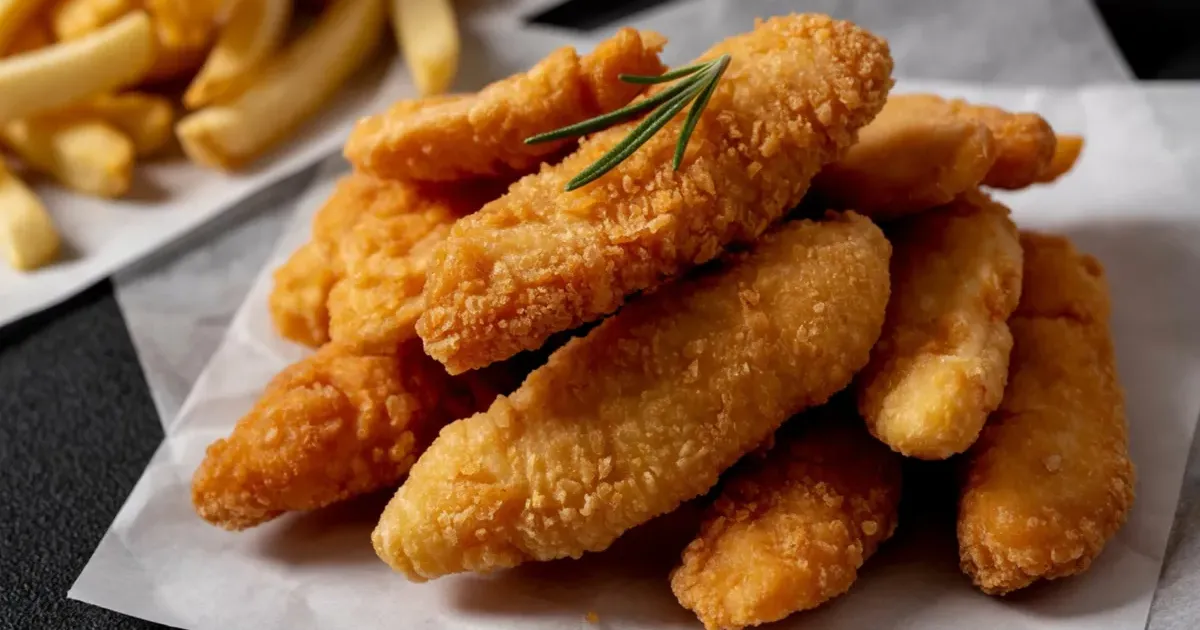
Aldi secured the top position in a thorough evaluation of grocery store prepared poultry on March 31, 2026, surpassing traditional competitors with its deli-style chicken tenders. Market researchers and food critics analyzed the product based on texture, seasoning, and moisture content, finding that the budget grocer outperformed premium retailers. High-end chains often rely on complex breading techniques that compromise the integrity of the meat during long holding times under heat lamps. Aldi, however, employs a streamlined production process that maintains consistency across its thousands of locations.
Retail experts observed that the success of these tenders stems from a precise balance of sodium and starch in the outer coating. Most grocery delis struggle with breading that turns soggy within thirty minutes of preparation. Results from blind taste tests indicated that the Aldi product retained its structural crunch for nearly twice as long as offerings from Kroger or Walmart. Scientists attribute this to the specific moisture-barrier properties of the flour blend used by the German-owned chain.
Data suggests that consumer behavior is shifting toward grab-and-go options that do not sacrifice quality for speed. Shoppers increasingly view the prepared food aisle as a viable alternative to fast-food restaurants. Aldi capitalizes on this by offering a product that matches the flavor profile of established poultry chains like Chick-fil-A or Raising Cane's at a fraction of the cost. A single serving at most national delis now exceeds six dollars, while Aldi maintains a price point closer to four dollars.
Aldi Supply-chain and Poultry Quality controls
Supply-chain efficiency is the backbone of the quality advantage seen in the United States market. Unlike traditional supermarkets that manage thousands of individual brand relationships, the limited-assortment model allows for tighter control over poultry sourcing. Centralized processing facilities ensure that every batch of chicken meets rigorous specifications before distribution. This minimizes the variability often found in stores where in-house deli workers hand-bread the meat.
Processing speed matters in the final flavor of the tender. Poultry travels from the facility to the shelf in a timeframe that minimizes cellular degradation. Industrial kitchen equipment used by the chain is calibrated to exact thermal parameters, ensuring the chicken remains succulent without becoming greasy. Many competitors overcook their poultry to compensate for food safety fears, resulting in a dry, fibrous texture that requires heavy dipping sauces to be palatable.
Breading technology has advanced to include specialized enzymes that interact with the protein surface. These enzymes create a stronger bond between the meat and the crust, preventing the common issue of the breading sliding off in one piece. Technical analysis of the Aldi tender reveals a higher-than-average protein-to-carbohydrate ratio in the coating. This specific formulation prevents the oil absorption that typically plagues budget-tier fried foods.
Economic Pressure Shifts Prepared Food Preferences
Inflationary pressures forced 2.4 million households to re-evaluate their prepared food budgets over the last fiscal year. Households that previously frequented casual dining establishments now look toward grocery delis for convenience. The perceived value of the Aldi chicken tender has turned it into a flagship product for the brand's prepared foods division. Sales figures show a consistent 15% year-over-year increase in the category since the rebranding of their deli line. Refining the poultry supply chain is a strategy being utilized by both grocery retailers and fast-food chains alike.
Critics often assume that low prices correlate with lower-grade ingredients. Lab testing of the Aldi supply-chain refutes this assumption, showing a reliance on whole-muscle breast meat rather than restructured or ground poultry products. Restructured meat is a hallmark of many budget grocers, yet Aldi has opted for a premium cut to anchor its deli reputation. Using whole muscle allows the meat to retain natural juices, which is the primary factor in consumer satisfaction ratings.
The cost of chicken breast remains the most volatile component of the deli pricing model. Large-scale procurement contracts allow the grocer to hedge against these price spikes. This stability ensures that the consumer rarely sees a price increase at the register. Price stability breeds brand loyalty more effectively than marketing campaigns or loyalty programs. Shoppers trust that the value they find in March will be the same value available in December.
Comparative Analysis of National Grocery Deli Standards
Competitor analysis highlights a growing gap between the budget sector and traditional high-volume supermarkets. Publix and Safeway have long held reputations for quality delis, but their reliance on manual labor leads to inconsistent results between different store branches. One location may serve perfectly fried chicken, while a neighboring store produces over-salted or under-cooked batches. Aldi eliminates the human error factor by using standardized preparation protocols that require minimal intervention.
The Aldi chicken tender is a meaningful disruption in the prepared foods market, proving that industrial efficiency can occasionally produce a superior culinary outcome compared to traditional manual deli methods, according to a report from the editorial team at Tasting Table.
Poultry moisture levels are measured in percentages of retained brine. Standard deli tenders often lose up to 20% of their weight during the cooking process. Specialized vacuum-tumbling techniques used by Aldi suppliers force the brine deeper into the muscle fibers. The result is a heavier, denser tender that feels larger to the consumer. The technique is typically reserved for premium restaurant chains, not budget-friendly grocery stores.
Seasoning profiles also vary wildly across the industry. Many chains over-index on black pepper or paprika to hide the taste of low-quality oil. Aldi uses a subtler profile that emphasizes celery salt and onion powder. It allows the natural flavor of the poultry to remain the focus. Simple ingredient lists are increasingly popular with health-conscious buyers who still desire the comfort of fried food.
Market Saturation of Private Label Poultry Products
Private label brands now account for nearly 30% of all grocery sales in the United States. The growth is driven by the realization that store brands are no longer mere imitations of national names. In the case of chicken tenders, the private label version has become the gold standard. High-volume production allows for investments in R&D that smaller, independent delis cannot afford. The proprietary coating used on these tenders is the result of years of consumer feedback loops.
Efficiency in packaging also contributes to the overall success of the product. The steam-vented containers used for the grab-and-go tenders prevent moisture buildup. Traditional plastic clamshells trap heat, creating an environment where the chicken essentially steams itself in its own grease. Small engineering details like these define the difference between a mediocre snack and a top-rated meal. Packaging remains one of the most overlooked aspects of the grocery deli experience.
Distribution networks are the final piece of the puzzle. Aldi locations receive daily shipments, ensuring that prepared foods never sit in a warehouse for extended periods. Freshness is the ultimate metric for poultry. A tender that was processed forty-eight hours ago will always taste better than one that has been frozen and thawed twice. The speed of the supply-chain is the reason the quality is so high. Fast turnover means the product on the shelf is always at its peak.
The Elite Tribune Strategic Analysis
Will the reign of the budget grocer ever be challenged by the artisanal movement? Conventional wisdom suggests that as wealth increases, consumers seek out hand-crafted, small-batch products. The success of Aldi's industrial chicken tender proves that even affluent shoppers prefer the reliability of a mass-produced, scientifically perfected product over the erratic quality of a local deli. Consistency is the true currency of the modern food industry. When a customer knows exactly how a piece of chicken will taste in any city across the country, the brand has won the psychological battle for market share.
The era of the $15 deli lunch is dead. High-end grocers who believe they can survive on reputation alone are ignoring the data. Consumers have realized that the premium price tag often funds the store's mahogany fixtures and classical background music instead of the actual ingredients in the fryer. Retailers must decide if they are in the business of selling atmosphere or selling food. If they choose the former, they will continue to lose ground to the efficient, cold, and clearly delicious pragmatism of the budget chain. Efficiency always wins.