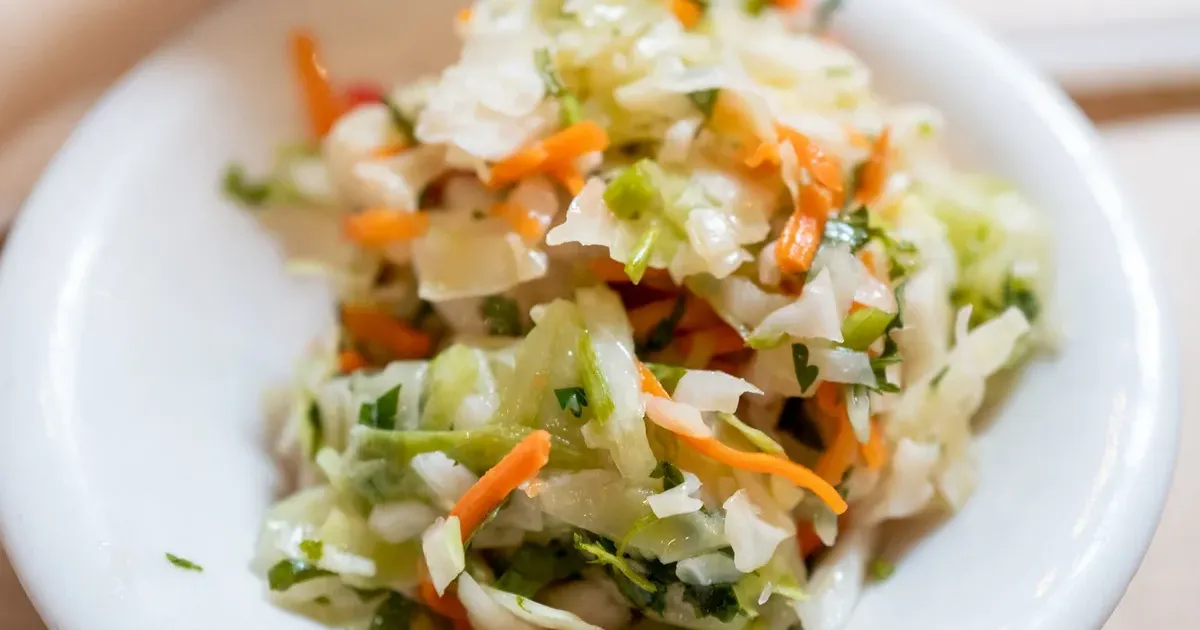
Louisiana culinary traditions redefined the American dinner plate on March 31, 2026, by applying historical Cajun methods to common grocery staples. Professional kitchens across the country now use the dirty rice technique to transform humble cabbage into a center-of-plate attraction. This shift moves away from the watery, boiled preparations common in Northern European traditions toward a high-intensity, protein-rich profile. Culinary analysts attribute this trend to a broader consumer demand for high-flavor, low-cost vegetable alternatives. The technique focuses on browning meat and aromatic vegetables until they create a flavorful sediment at the bottom of the pan.
Dirtiness in Cajun cooking refers to the color changes that occur when white rice absorbs the fats and juices of finely chopped meats. When applied to cabbage, the process begins with the rendering of animal fats, typically from pork sausage or ground beef. These proteins provide the foundational lipids necessary to soften the cellular structure of the cabbage. Chefs then introduce the Holy Trinity of Cajun cooking: onions, celery, and green bell peppers. This aromatic base undergoes a long saute to develop a deep brown crust known as a fond. The presence of this caramelized layer differentiates dirty cabbage from standard stir-fries or braises.
Louisiana Roots of the Dirty Flavor Profile
Acadian history dictates much of the modern approach to flavoring inexpensive vegetables. Settlers in the 18th century lacked access to expensive cuts of meat, forcing them to use every part of the animal to provide sustenance. Organ meats, including chicken livers and gizzards, were finely minced and incorporated into rice or vegetables to stretch the nutritional value. Today, Louisiana home cooks maintain this tradition by using ground meats and heavily spiced aromatics to mask the naturally sulfurous smell of cruciferous vegetables. Modern iterations often swap organ meats for spicy andouille or breakfast sausage to appeal to broader palates.
Authenticity in these dishes relies on the specific blend of Cajun spices, which usually includes cayenne pepper, garlic powder, onion powder, and dried thyme. The heat from the peppers balances the natural sugars released by the cabbage during the cooking process. High-heat searing allows the cabbage to retain a slight crunch while absorbing the rendered fat from the protein source. This method prevents the vegetable from becoming mushy, a common complaint regarding traditional boiled cabbage. Restaurant data shows that Cajun influenced vegetable dishes have seen a 14% increase in menu placements over the last two years.
According to a report from Tasting Table, cooks should liven up cabbage with meat, Cajun spices, and some aromatics to elevate the flavor.
Culinary Mechanics of Seared Brassica
Chemical reactions between heat and fiber determine the success of the dirty cabbage method. When cabbage hits a hot pan coated in animal fat, the Maillard reaction begins on the surface of the leaves. The process creates new aromatic compounds that do not exist in raw or boiled cabbage. By dicing the cabbage into small pieces, cooks increase the surface area available for browning. The technique mimics the texture of rice, allowing the vegetable to serve as a low-carbohydrate substitute for the traditional dirty rice dish. Scientists at food laboratories note that charring cabbage reduces the perception of bitterness by breaking down sinigrin compounds.
Moisture control represents the primary challenge for chefs attempting this preparation. Cabbage contains approximately 92% water, which can easily turn a sear into a steam if the pan is overcrowded. Professional cooks often salt the shredded leaves beforehand to draw out excess moisture. Removing this water allows the fat to penetrate the vegetable more effectively during the saute phase. Once the moisture evaporates, the cabbage begins to fry in the meat drippings, resulting in a savory, umami-rich profile. Most recipes call for a cast-iron skillet to maintain the consistent high temperatures required for this transformation.
Economic Impact of Low-cost Ingredients
Market analysts observe that cabbage remains one of the most cost-effective items in the produce aisle. At an average price of $0.79 per pound, it provides serious volume for minimal investment. Integrating small amounts of meat, often less than a quarter-pound per head of cabbage, creates a satiating meal for under $5.00 total. The economic efficiency drives the popularity of dirty cabbage in both domestic kitchens and commercial foodservice operations. Retailers report a spike in cabbage sales during the first-quarter of 2026, coinciding with the rise of regional Southern cooking content online. Wholesale prices for green cabbage have remained stable despite inflation in other produce categories.
Beyond the cost benefits, the durability of cabbage makes it an ideal candidate for long-term storage and bulk preparation. Unlike spinach or kale, cabbage maintains its integrity for weeks in cold storage, reducing food waste for consumers. Large-scale catering companies have adopted the dirty cabbage technique for events because it holds its temperature and texture better than traditional sides. The inclusion of Cajun spices provides a standardized flavor profile that is easy to replicate across different kitchen locations. Regional distributors in the Southeast report that Tasting Table and other culinary outlets have successfully pushed cabbage into the mainstream spotlight.
The Elite Tribune Strategic Analysis
Culinary trends often emerge from economic necessity, and the current obsession with dirty cabbage is no exception. While food influencers frame this as a flavor hack, the underlying reality is a tactical pivot toward peasant-class ingredients at a time of fluctuating meat prices. The industry is witnessing the gentrification of Acadian survivalism, where the clever use of organ meats and scraps is rebranded as a sophisticated flavor profile. The move is calculated rather than accidental. By elevating a vegetable traditionally associated with poverty and blandness, the food media machine creates a new market for low-overhead menu items that can be sold at a premium.
The risk here is the erasure of the functional history behind these dishes. Cajun cooking was never about a flavor profile; it was a survival strategy for a displaced population. When commercial entities strip the technique of its historical context, it becomes another disposable trend. However, the technical merit of the preparation persists. The chemistry of the Maillard reaction applied to brassica is a legitimate culinary advancement that solves the structural problems of cabbage. Expect to see further expansion into other discarded vegetable parts as chefs realize that fat and spice can redeem almost any agricultural byproduct. The future of the American dinner plate is brown, seared, and openly cheap.