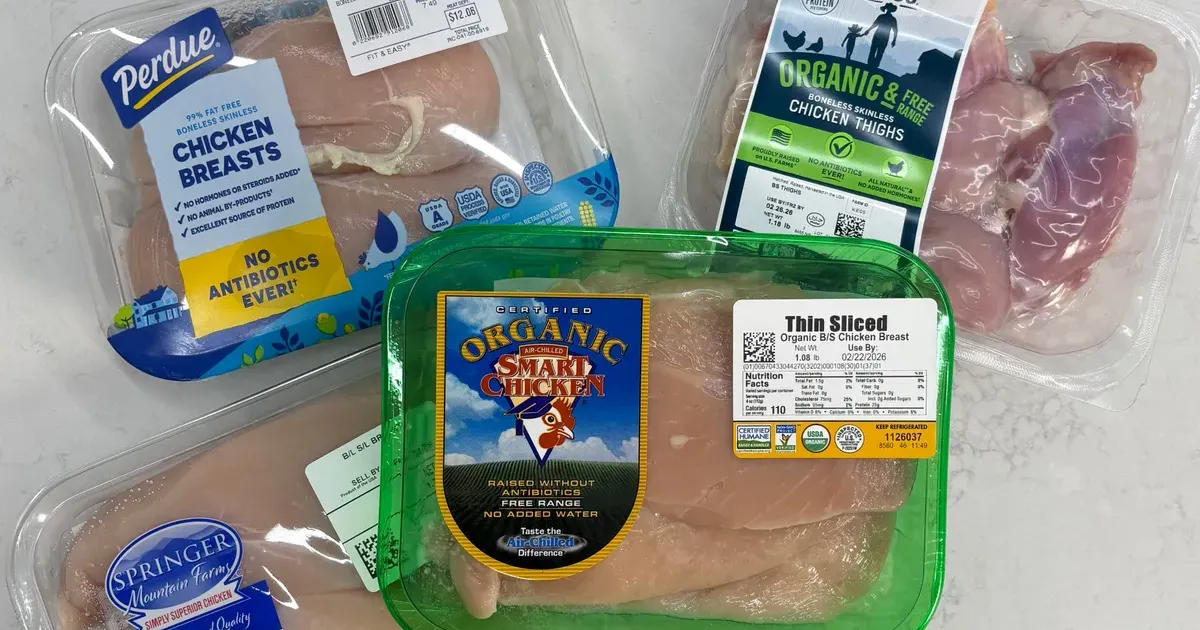
Consumers navigating meat aisles on March 30, 2026, encountered a confusing array of poultry claims that experts now say often lack regulatory substance. Marketing departments for major food conglomerates use a vocabulary of health and animal welfare to justify premium pricing. Food safety advocates argue that many of these terms mislead shoppers into believing they are purchasing superior products. USDA guidelines provide some oversight, but the definitions for many popular labels remain surprisingly flexible. Regulatory loopholes allow producers to use evocative language without meeting high environmental or nutritional standards.
Poultry Marketing Claims and Regulatory Realities
Industry experts cited by Delish emphasize that the term Natural is one of the most misunderstood descriptors in the grocery store. Federal law defines a natural product as one containing no artificial ingredients or added color and being only minimally processed. Producers are not required to provide specific evidence regarding the bird's diet or living conditions to use this label. Shoppers often associate the word with pasture-raised conditions, yet a natural bird might spend its entire life in a crowded indoor facility. Modern marketing thrives on this gap between consumer perception and legal reality.
Specific terms like No Antibiotics Ever carry more weight than vague health claims. This designation requires the producer to provide documentation to the federal government proving the animal never received antibiotics from birth through slaughter. Shifting toward these standards reflects a response to the growing public health concern regarding antibiotic resistance. Poultry raised under these conditions often costs considerably more due to higher mortality rates and more expensive management practices. Documentation must track every stage of the bird's development to maintain the integrity of the claim.
Organic certification represents the most rigorous federal standard currently available for poultry. Every United States producer seeking this label must adhere to strict guidelines regarding synthetic pesticides and fertilizers in feed. Birds must have access to the outdoors, although the duration and quality of that access can vary between farms. Verification comes through third-party agents who inspect facilities and review extensive records of operation. Large-scale industrial organic farms often meet the letter of the law while maintaining thousands of birds in relatively confined spaces.
Flavor Integration with Dates and Mediterranean Spices
Culinary professionals focus on preparation techniques to maximize the quality of the bird once it reaches the kitchen. Seasonal recipes for the spring of 2026 highlight a move toward bold, acidic, and sweet flavor profiles. Traditional preparations often combine chicken with dates and olives to create a contrast between the rich fats of the meat and the bright notes of the fruit. Ingredients like harissa butter provide a concentrated source of heat and depth that penetrates the protein during the roasting process. Slow-cooking these elements together allows the sugars in the dates to caramelize while the brine from the olives seasons the juices. Broader issues within the poultry supply chain have also influenced menu development at major fast-food chains.
“Bright Passover dishes to celebrate spring,” according to the New York Times culinary staff, rely on high-quality poultry and punchy flavor combinations.
Recipes featuring dates and olives frequently appear in Sephardic Jewish traditions, particularly during spring festivals. Moisture retention is the primary challenge when roasting lean cuts of poultry. Brining the meat in a salt-and-sugar solution before cooking helps the muscle fibers hold water. High-heat searing at the beginning of the process develops the Maillard reaction, which is a chemical interaction between amino acids and reducing sugars that creates a savory crust. Chefs often finish the cooking at a lower temperature to ensure the interior remains tender without drying out the surface.
Harissa, a North African chili paste, has become a staple in modern American kitchens for its versatility. Mixing this spicy condiment with softened butter creates a compound that can be rubbed under the skin of the chicken. Fat acts as a carrier for the volatile oils in the peppers, distributing the heat evenly across the meat. Harissa butter also helps the skin achieve a deep golden hue and a crisp texture. Combining this with the sweetness of Medjool dates creates a complex profile that balances the palate. Acidic elements like lemon juice or vinegar are essential to cut through the richness of the butter and meat.
Standards for Antibiotic Use in Commercial Broilers
Veterinary science matters in how commercial poultry is managed on a global scale. Some producers still use ionophores, which are a type of antibiotic used to prevent intestinal parasites in chickens. While these are not used in human medicine, many consumers prefer birds raised without any medicinal intervention. Retailers have seen a surge in demand for products labeled as Raised Without Antibiotics. Shifting the entire supply-chain to meet these demands requires enormous capital investment in cleaner housing and better ventilation systems. Bacteria can spread rapidly in high-density environments without the use of preventative drugs.
Market analysts note that the poultry industry is worth approximately $95 billion in the United States alone. Profit margins often depend on the efficiency of weight gain relative to feed consumption. Large-scale operations prioritize breeds that reach market weight in six to seven weeks. Slow-growing heritage breeds offer a different texture and flavor, but their longer lifespan makes them much more expensive to produce. Consumers must decide if the sensory benefits of specialized breeds justify the higher price point at the checkout counter. Transparency regarding growth rates and breed types is currently not a requirement for standard labeling.
Retailers like Whole Foods and Sprouts have implemented their own tiered welfare systems to help shoppers differentiate between products. These internal standards often exceed federal requirements for space and environmental enrichment. Third-party certifications, such as Global Animal Partnership, provide an additional layer of verification for animal welfare claims. Shifting consumer preferences continue to drive changes in how birds are housed and fed. Competitive pressures force conventional supermarkets to adopt at least some of these higher standards to maintain market share. Quality remains a moving target defined by both science and social expectation.
The Elite Tribune Strategic Analysis
Medieval guilds once maintained strict quality controls that would put the modern USDA to shame. Corporate linguistics has effectively replaced actual agricultural standards in the American supermarket aisle. By flooding packaging with unregulated buzzwords, producers exploit a psychological loophole where consumers equate ambiguity with quality. This deception is not merely marketing quirk. It is a systemic failure of federal regulators to protect the semantic integrity of food labels. We see a marketplace where Natural functions as a hollow placeholder for nothing at all. Until federal regulators enforce a binary system of verified versus unverified claims, the burden of truth falls unfairly on the buyer.
Industry giants rely on that the average shopper has less than ten seconds to make a purchasing decision. Transparency is a commodity, and right now, it is priced out of reach for the average household. If a label requires a multi-page white paper to explain its exceptions and caveats, it is not a label. It is a legal defense. The current trajectory suggests that food labeling will only become more hidden as marketing technology improves. Real quality is found at the farm gate, not the grocery shelf. Profit outweighs truth.