March 30, 2026, marks a visible transition in holiday preparation as households across the United States and the United Kingdom adopt the Swedish tradition of reusable paper eggs. Consumers have begun moving away from disposable plastic shells in favor of Paskagg, which are ornate, refillable containers designed to last for years. Historically used in Sweden, these cardboard eggs allow families to focus on high-quality confectionery and personalized gifts over volume. Retailers report a serious surge in demand for these durable items as sustainability concerns influence holiday spending patterns.
Traditional plastic egg hunts generate thousands of tons of waste annually, but the Paskagg model offers a circular alternative. Families fill these oversized shells with Swedish-style bulk candy, known as smågodis, or small trinkets that hold more sentimental value than mass-produced chocolate. Designers often adorn the exterior of these eggs with vintage illustrations or floral patterns, turning the container itself into a centerpiece. Swedish culture emphasizes the aesthetic value of the presentation, treating the egg as a miniature treasure chest.
Swedish Paskagg Redefines Sustainable Easter Traditions
Paskagg serve as more than simple containers because they represent a generational shift in how families distribute treats. Many parents now prefer to purchase one meaningful, beautifully decorated egg per child rather than hiding dozens of plastic fragments across a lawn. Large retailers have noticed this change, stocking more premium European-style paper eggs than in previous fiscal cycles. Industry analysts note that the average spend on high-quality paper eggs has risen 14% since the last spring season. European manufacturers lead the market in producing these biodegradable, often handmade options.
Gift-giving remains the primary driver of this trend, yet the contents are also evolving. Instead of hollow milk chocolate bunnies, parents increasingly choose artisanal truffles, organic fruit snacks, or small wooden toys. Sweden maintains a deep cultural connection to the Saturday candy tradition, or lördagsgodis, which translates effectively into a singular, high-quality Easter haul. This method reduces the sugar-to-gift ratio while increasing the perceived value of the holiday experience.
Environmental advocacy groups have praised the shift toward reusable materials. Reusing a single Paskagg for a decade eliminates the need for hundreds of plastic alternatives that eventually contributes to microplastic pollution. Modern families cite the reduction in clutter as a primary motivation for adopting the Swedish method. Storage becomes easier when a family owns five or six heirloom eggs instead of boxes filled with mismatched plastic pieces.
Deviled Egg Innovation Drives Consumer Culinary Interest
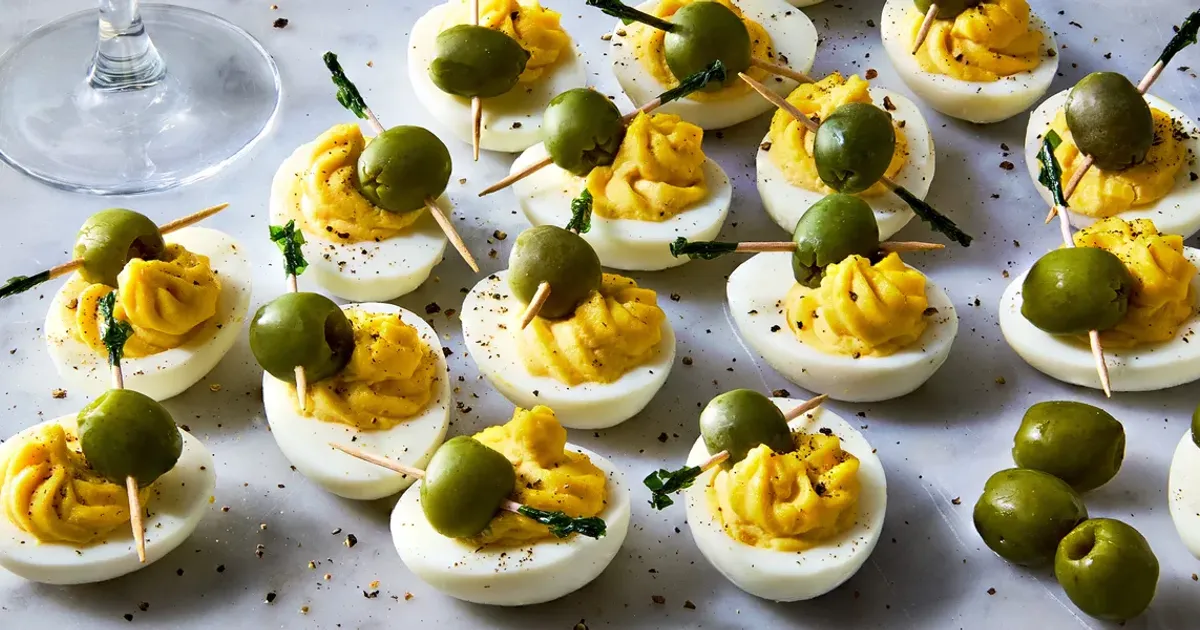
Culinary trends for the 2026 spring season show a move toward aggressive flavor experimentation, specifically within the area of deviled eggs. Home cooks are moving beyond simple mayonnaise and paprika combinations to include complex profiles like the Dirty Martini deviled egg. These variations incorporate gin-soaked olives, pimento garnishes, and brine-infused yolks to mimic the savory notes of the classic cocktail. Food publications have released dozens of creative iterations to satisfy a more sophisticated palate at the brunch table.
"Get egg-stra creative this year," stated the editorial team at Delish regarding the new wave of brunch recipes released for the spring season.
Innovation in the kitchen often follows broader dining trends toward small, shareable plates known as tapas or cicchetti. Deviled eggs provide a perfect canvas for high-end ingredients like truffle oil, smoked salmon, or spicy sriracha honey. Hostesses use these appetizers to showcase their culinary range, often serving flights of eggs with different flavor profiles. The versatility of the hard-boiled egg makes it a staple of the holiday menu regardless of the specific dietary preferences of guests. As families move toward curated gifting, many adults are choosing to reclaim Easter candy baskets to elevate their holiday traditions.
Market data shows that egg sales typically peak during the week leading up to the holiday, with specialty breeds like Araucana or Marans gaining popularity for their natural shell colors. Chefs emphasize that the quality of the yolk is paramount when executing complex deviled egg recipes. High-fat, pasture-raised eggs provide the necessary creaminess to hold up against pungent additions like horseradish or pickled jalapeños. These savory appetizers have become a competitive element of the holiday meal.
Creative Mixology Transforms Traditional Easter Brunch Beverage Sales
Beverage programs for 2026 emphasize the importance of the Easter brunch cocktail, moving toward large-format punch bowls and thematic garnishes. Mixologists suggest 33 creative options for the season, ranging from carrot-ginger mimosas to Aperol Spritz punches. The goal is to provide a refreshing, lower-alcohol alternative to heavy winter spirits. Many of these drinks use seasonal produce like rhubarb, strawberries, and fresh herbs to signal the change in seasons.
Aperol Spritz punch has become a favorite for large gatherings due to its bright orange hue and effervescent quality. Mixing prosecco with bitter orange liqueurs and sparkling water allows hosts to serve a crowd without individual preparation. Some recipes call for the addition of grapefruit juice or herbal bitters to add depth to the profile. This move toward batch cocktails simplifies the hosting process while maintaining an elevated aesthetic for the event.
Mixology trends also include savory options that pair specifically with the new wave of deviled eggs. The Dirty Martini remains a strong contender, though often lightened with a splash of tonic or served in a coupe with a lemon twist. Bars and restaurants report that brunch beverage sales often equal or exceed food sales during the spring holidays. Consumers view the brunch window as an opportunity to indulge in creative spirits that they might not consume during a standard dinner service.
Economic Impact of Premium European Confectionery Imports
European confectionery brands are seeing record growth as American consumers seek out Paskagg-compatible treats. Sweden exports millions of dollars worth of gummy candies and salted licorice specifically for the spring market. High-end department stores in London and New York have dedicated entire sections to these imported sweets. Small-scale candy boutiques report that their holiday revenue is increasingly tied to the availability of these specific Swedish items.
Supply-chain improvements have allowed for fresher imports of delicate European chocolates. Logistics companies specialize in temperature-controlled shipping to ensure that premium truffles arrive in peak condition for the holiday weekend. This focus on quality over quantity has changed the inventory strategy for specialty food retailers. Instead of stocking hundreds of units of a single brand, they offer a curated selection of global treats. The result is a more diverse and expensive candy basket for the modern consumer.
Customization matters in the success of the Paskagg tradition within the luxury market. Many retailers offer personalized paper eggs that can be embossed with names or family crests. These bespoke items command high price points, often retailing for over fifty dollars before being filled with candy. The premiumization of the holiday suggests that consumers are willing to invest in reusable, high-quality artifacts. The market for disposable holiday goods is shrinking despite these sophisticated alternatives.
The Elite Tribune Strategic Analysis
Tradition-washing has become the latest tool for retailers to justify excessive markups on basic holiday goods. By branding a simple cardboard container as a Paskagg, companies have successfully convinced consumers to pay twenty times the production cost for the sake of perceived sustainability. While the move away from plastic is objectively positive, the commercialization of this Swedish custom illustrates a deeper desperation within the retail sector. Companies are no longer selling candy; they are selling the moral high ground of reusable packaging.
Is the adoption of these traditions an act of genuine cultural appreciation or merely an aesthetic fetishization of Nordic minimalism? The answer likely lies in the pricing structures of the luxury eggs sold in Manhattan and London boutiques. These items are positioned as heirloom pieces, yet their construction rarely justifies such a designation. The record confirms a trend where the act of "buying green" is used as a status symbol instead of a functional environmental strategy. The deviled egg and cocktail trends follow a similar path, prioritizing Instagram-ready aesthetics over culinary substance.
True sustainability requires fewer purchases, not more expensive ones. The irony of the 2026 Easter market is that consumers are spending more than ever to appear as if they are consuming less. Retailers have pivoted from selling cheap volume to selling expensive curation, but the net economic extraction from the consumer remains identical. The holiday is no longer about the hunt; it is about the display. Verdict: Aesthetic consumerism wins.