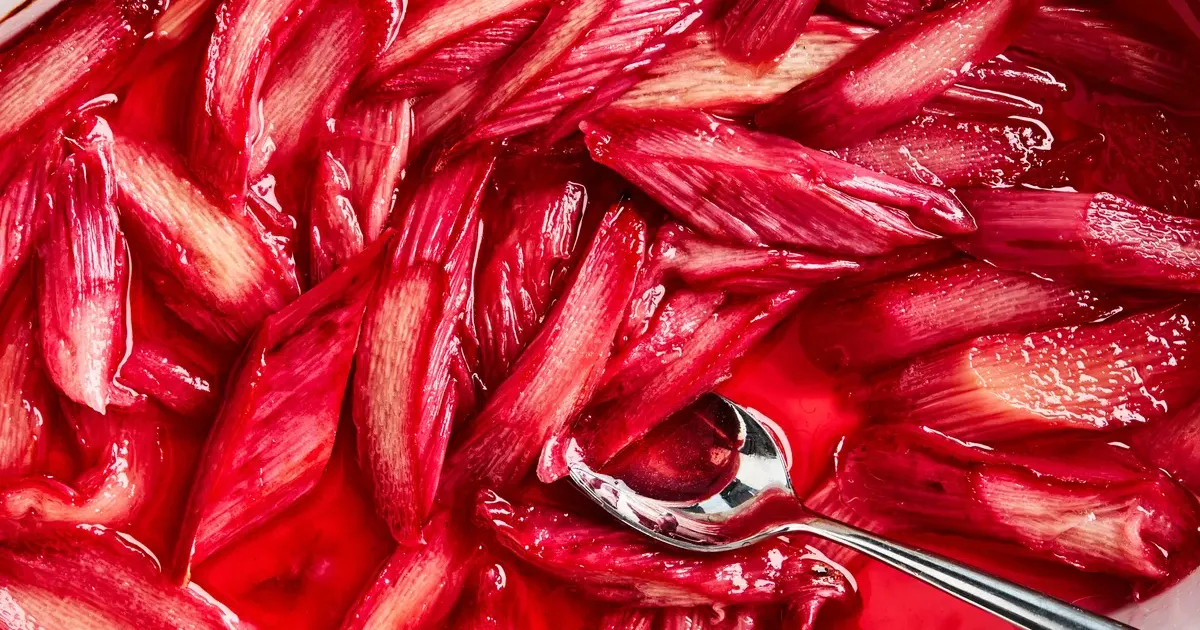
March 31, 2026, finds agricultural sectors in the Northern Hemisphere adjusting to the intensified demands for rhubarb as the first major harvest of the year hits retail floors. Rhubarb stalks, distinguished by their vibrant crimson and lime hues, occupy a unique position in the global produce trade due to their classification as a vegetable despite a functional identity as a fruit. Cultivators in the United States and the United Kingdom report that the early spring window provides the highest profit margins for hothouse varieties. Markets currently value the plant for its sharp acidity, which is a seasonal bridge between the heavy root vegetables of winter and the softer berries of late summer.
Growers in regions like the Pacific Northwest and the established Rhubarb Triangle of West Yorkshire maintain strict control over the harvest cycle to ensure peak quality. Most commercial operations use light-deprivation techniques to produce forced rhubarb, a method that accelerates growth while keeping the texture tender. Price points for these early-season stalks often exceed those of conventional outdoor-grown crops by a serious margin. Consumers show a growing preference for stalks that exhibit a deep red color, mistakenly associating the shade with increased sweetness. Science indicates that color actually relates more to the specific cultivar and soil conditions than to sugar content.
Rhubarb Cultivation and Regional Market Dynamics
Export data from the United States Department of Agriculture confirms that rhubarb remains a specialized but lucrative niche within the specialty crop sector. Production costs are elevated by the labor-intensive nature of the harvest, which requires hand-picking to avoid damaging the perennial crowns. Farmers must balance the removal of stalks with the long-term health of the plant to ensure productivity in subsequent years. One meaningful challenge involves the temperature sensitivity of the roots, which require a dormant period of cold to trigger vigorous spring growth. While temperate climates are ideal, shifts in global weather patterns have introduced unpredictability into the traditional February-to-June harvest window.
Retailers in urban centers like New York and London are currently stocking 23 distinct recipe-ready preparations to capitalize on the aesthetic appeal of the plant. Marbled cheesecake bars featuring a bright pink swirl of compote have become a staple in high-end bakeries this season. Wholesale buyers prioritize stalks that are firm and snap easily, as wilting indicates a loss of moisture and flavor. This emphasis on freshness drives a localized supply-chain where most rhubarb is sold within a 300-mile radius of its origin. Logistics companies have developed specialized refrigerated transport protocols to maintain the crispness of the stalks during transit from rural farms to metropolitan distribution hubs.
Evolution of Rhubarb in Modern Pastry and Savory Dishes
Mixologists at elite cocktail bars have recently pivoted toward the vegetable to create complex flavor profiles without excessive sweetness. The tangy pink daiquiri, which uses a strained rhubarb syrup for both color and acidity, has become a top-selling spring beverage. Bartenders prefer the natural tartness of the plant over citrus additives in certain sophisticated preparations. Freshly pressed rhubarb juice provides a dry finish that pairs effectively with botanical gins and light rums. Industry insiders at Bon Appetit have highlighted how the plant’s versatility extends far beyond the traditional pie filling that dominated twentieth-century kitchens.
Savory applications represent the fastest-growing segment of rhubarb consumption in the restaurant industry. Chefs are increasingly using rhubarb-basted roast chicken, where the vegetable’s oxalic acid acts as a natural tenderizer for the protein. When roasted, the stalks break down into a sauce that provides a sharp contrast to the fat of the poultry. Some kitchens experiment with pickling the stalks in a solution of rice vinegar and ginger to serve alongside oily fish like mackerel. These preparations rely on the plant's ability to retain its structural integrity under high heat when handled correctly by kitchen staff.
Industrial Impact of the Spring Rhubarb Harvest
Historical records show that the cultivation of rhubarb for culinary use is a relatively recent development compared to its long history in traditional medicine. Root extracts were historically traded along the Silk Road for their purgative properties long before the stalks became a kitchen staple. Modern industrial processing now focuses on flash-freezing stalks to provide a year-round supply for commercial jam and yogurt manufacturers. However, the premium market remains centered on the fresh, seasonal product that defines the spring culinary calendar. Greenhouse technologies have extended the season slightly, but the highest quality product still emerges from the traditional forced-growth sheds.
Sustainability experts point to the perennial nature of rhubarb as a benefit for soil health, as the plants can remain productive for over a decade. Carbon sequestration in established rhubarb fields is higher than in annual vegetable plots that require frequent tilling. Maintenance of these fields requires minimal pesticide intervention, as the large leaves naturally shade out most competing weeds. Workers must still exercise caution during the harvest because the leaves contain high concentrations of toxins. Disposal of the leaf biomass often occurs on-site to return nutrients to the soil through natural decomposition processes.
Chemical Properties and Culinary Versatility of Oxalic Acid
Chemical analysis of the stalks reveals high levels of vitamin K and calcium, though the presence of oxalic acid can interfere with mineral absorption. Culinary professionals manage this by pairing the vegetable with calcium-rich dairy products like cream or yogurt. The interaction between the acid and the fat creates a balanced mouthfeel that is central to the success of rhubarb-based desserts. Sugar acts as a chemical foil to the inherent acidity. Chefs often use a 1:1 ratio of sugar to fruit by weight to achieve a palatable balance in preserves. High-heat roasting can also caramelize the natural sugars within the plant to create a more complex flavor profile.
Rhubarb remains one of the few crops that forces us to embrace the sharp edge of the flavor spectrum, according to the British Rhubarb Growers Association.
Innovation in the food sector has led to the development of rhubarb-infused vinegars and shrubs that offer a shelf-stable way to enjoy the flavor. These products allow consumers to incorporate the plant into salads and dressings throughout the summer months. Artisanal producers in the United Kingdom have seen a 15% increase in domestic sales for rhubarb-based condiments over the last two years. This trend reflects a broader consumer move toward bitter and sour flavor profiles in place of traditional sweetness. Agricultural colleges are now researching new cultivars that could potentially produce higher yields in warmer southern climates.
The Elite Tribune Strategic Analysis
Does the culinary world's obsession with rhubarb reflect a genuine gastronomic evolution or merely a desperate search for seasonal novelty? Commercial agriculture has turned a temperamental, poisonous-leafed weed into a premium spring commodity through sophisticated marketing and forced-growth techniques. This fetishization of the first crop ignores the underlying reality of high-input farming required to produce vibrant stalks out of season. While diners applaud the tart complexity of a rhubarb-basted chicken, they rarely acknowledge the carbon footprint of heated hothouses in Yorkshire or the Pacific Northwest. What is unfolding is the commodification of bitterness. It is a trend driven by a middle-class craving for authentic seasonal experiences that are, in fact, highly manufactured.
The shift toward savory rhubarb applications suggests a maturing palate, but it also highlights how easily consumer tastes are manipulated by food media cycles. If every spring must be defined by a single plant, the industry risks exhausting the very novelty it seeks to exploit. Rhubarb is not a miracle crop. It is a calculated seasonal anchor designed to bridge the gap between winter root vegetables and the summer berry bounty. Selective breeding for deeper reds has prioritized aesthetics over flavor, turning a resilient perennial into a photogenic prop for social media gastronomy. Expect the market to saturate as production expands.