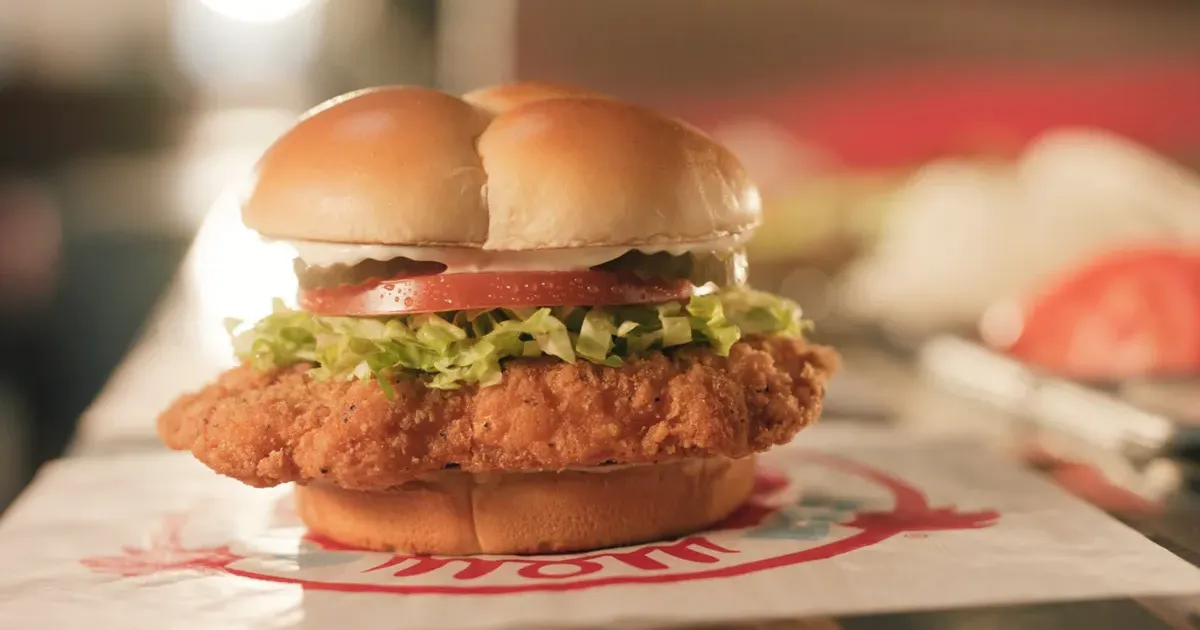
Wendy's headquarters in Dublin, Ohio, confirmed on March 30, 2026, that the company has completed a total overhaul of its flagship poultry product. This move indicates a huge shift in the fast-food giant’s culinary direction, targeting a more premium experience for its core customer base. Reengineering the Spicy Chicken Sandwich required nearly two years of testing in various regional markets across North America. Analysts expect this recipe modification to set a new standard for heat and texture in the highly competitive quick-service restaurant industry.
Recipe changes often generate friction among longtime loyalists who have purchased the original version since its introduction in 1995. Developers at Wendy's focused specifically on the structural integrity of the breading and the moisture retention of the breast meat. Early data suggest the updated sandwich features a double-dredged coating infused with a more complex blend of habanero and black pepper. Production costs for the new ingredients increased by roughly 8 percent per unit. Management believes the higher quality justifies the expenditure.
Poultry sales drive approximately 35 percent of the total revenue for the organization.
Wendy's Spicy Chicken Sandwich Recipe Overhaul
Spices used in the original 1990s formula relied heavily on cayenne and paprika for color and kick. Modern consumers, by contrast, demand a more layered flavor profile that includes smoky undertones and a lingering heat. Culinary teams incorporated a new fermentation process for the chicken brine to ensure the meat stays juicy under heat lamps. Internal memos indicate the breading now includes cornstarch to provide a lighter, more consistent crunch that resists sogginess. The change affects every franchise location in the United States and Canada immediately.
Quality control officers also introduced a new selection of pickles cut to a specific thickness of 4 millimeters. These thicker slices provide a temperature contrast to the hot chicken while maintaining their crispness throughout the delivery cycle. Packaging specialists redesigned the sandwich wrap to include a breathable foil layer that prevents moisture buildup. Each sandwich now sits on a toasted brioche-style bun that contains more egg yolk than the previous wheat-based version. Daily shipments of these fresh buns arrive at stores six times per week.
Maintaining the consistency of the heat level across 6,000 locations involves rigorous training for kitchen staff.
Fast Food Chicken Market Competition
Competition within the chicken segment reaches a fever pitch during the late 2010s, forcing legacy brands to innovate or lose market share. Chick-fil-A continues to lead the category in per-store revenue, while Popeyes remains a dominant force in the breaded sandwich space. Wendy's sought to differentiate its product by emphasizing the whole-muscle breast meat over processed or reformed patties. Recent market reports show that consumers increasingly favor "natural" textures in their fast-food options. Investment in this high-end recipe reflects a desire to move the brand closer to fast-casual pricing and perception.
Supply-chain pressures required a change in how the company sources its peppers and flour. New contracts with regional growers ensure that the habanero peppers used in the breading are harvested at peak ripeness for maximum capsaicin content. Flour mills in the Midwest provided a specific grind of wheat that adheres better to the marinated chicken surface. Logistics experts coordinated an enormous rollout to ensure no store was left with old inventory during the transition. The total investment for this transition exceeds $40 million in marketing and equipment upgrades.
Direct competition from emerging brands like Raising Cane’s has squeezed the traditional burger chains.
Consumer Testing and Review Data
Testing phases conducted in Columbus and Phoenix revealed that 72 percent of participants preferred the new texture over the original. Professional food critics have already begun weighing in on the changes with mostly positive observations regarding the heat level. A reviewer for Delish documented their experience with the new sandwich, noting the improved balance of flavors. Positive word-of-mouth is essential for a product that has not seen a meaningful recipe change in over three decades.
Yes, I’ll be ordering it again.
Consumer feedback loops indicate that the most common complaint about the previous sandwich involved uneven breading coverage. Industrial fryers in the updated kitchen layout now use a proprietary oil blend with a higher smoke point to ensure uniform browning. Some critics, by contrast, worry that the increased spice level might alienate families with younger children. Sales figures from the first week of the rollout showed a 12 percent spike in chicken-based transactions. These early metrics provide a baseline for the national performance of the $5.99 item.
Individual franchise owners report a surge in mobile app orders specifically targeting the new sandwich.
The Elite Tribune Strategic Analysis
Should a corporation ever gamble with the soul of its menu? Coca-Cola famously answered that question in 1985 with a decisive failure that still is a textbook example of corporate hubris. Wendy's, however, is not simply changing a flavor; it is fighting for survival in a post-2019 world where the "Chicken Sandwich Wars" redefined consumer expectations forever. The decision to increase the heat profile with habanero is a calculated risk that moves the brand away from the bland, mass-market middle ground. It is an admission that the original 1995 formula, while nostalgic, can no longer compete with the sophisticated textures offered by dedicated poultry houses.
Profit margins in the fast-food sector are thinning under the weight of rising labor costs and ingredient inflation. By moving toward a more premium, complex product, Wendy's is effectively conditioning its customers to accept higher price points. This isn't just about a better sandwich; it is a defensive maneuver to protect the brand's premium positioning against the encroachment of value-focused competitors. If the public rejects the crunch or the heat, the damage to the company's reputation could be permanent. The stakes are much higher than a simple lunch option.
Winning this battle requires more than a better bun. It requires a total commitment to culinary excellence that fast-food chains often abandon when the next quarterly earnings report looms. Wendy's has thrown down a spicy gauntlet. Only the sales data will prove if the public has the stomach for it. Success looks like a 15 percent increase in category share. Failure is a return to the old recipe within eighteen months. The verdict is pending.