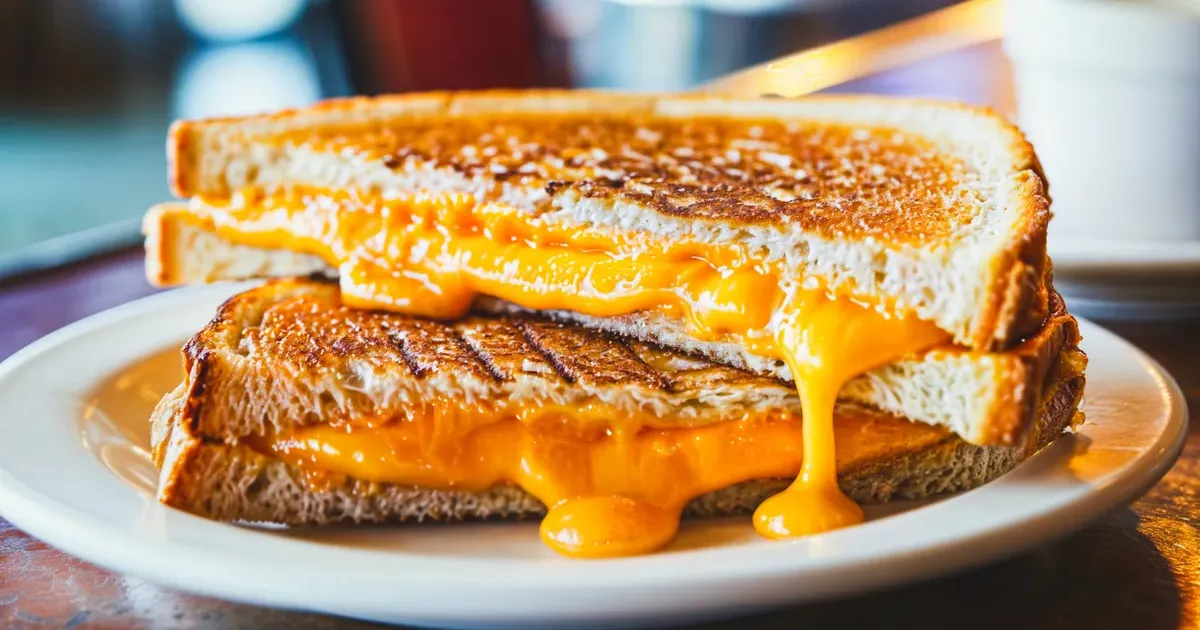
Consumer demand for artisanal quality within discount frameworks surged on March 31, 2026, as Aldi shoppers reported record sales of the Specially Selected Italian Loaf. Professional chefs frequently cite the bread as a superior base for high-end grilled cheese sandwiches due to its rustic, thick crust. Quality bread is the foundation for modern home cooking, and the Specially Selected line is a pivot toward gourmet offerings in budget-friendly environments. Market analysts note that the rises of high-quality private labels force traditional grocery chains to reconsider their pricing models. Aldi currently operates over 2,400 stores across the United States.
Aldi Italian Boule Disrupts Premium Bakery Market
Specially Selected Italian Boule bread offers a texture comparable to high-end boutique bakeries. Its distinctive crust undergoes a specific par-baking process that allows consumers to achieve a restaurant-grade finish in home ovens. Home cooks emphasize that the crumb structure holds up under heavy moisture, making it ideal for cheese-heavy recipes. Aldi maintains a lean supply-chain that keeps the price of these artisanal boules far lower than comparable products at Whole Foods or specialized local bakers. Retail data indicates a 12 percent increase in bakery sector revenue for the discount chain over the last fiscal quarter.
Simultaneously, the bread appeals to a demographic that previously ignored discount retailers. High-income households now account for a growing percentage of the discount grocery market share. This customer base prioritizes ingredient integrity over brand heritage. Most shoppers find the Italian Boule provides a better cost-to-quality ratio than national bread brands. Revenue from the Specially Selected line grew by $140 million in the previous year.
Shoppers often purchase multiple loaves to freeze, ensuring a consistent supply of rustic bread for weekday meals.
Trader Joes Dominates Frozen Dinner Innovation
Trader Joe's continues to lead the industry in the $5.00 frozen dinner segment. Their latest offerings, including the widely discussed Penne Arrabbiata and Chicken Milanese, aim to replicate restaurant experiences at a fraction of the cost. Industry reports suggest that the $5.00 price point is the psychological threshold for American consumers seeking convenience. While competitors struggle with inflation, Trader Joe's leverages direct-to-producer contracts to shield customers from price spikes. The company reported a 15 percent increase in frozen aisle traffic since January.
The Specially Selected Italian Loaf from Aldi has become a staple for anyone looking to elevate a simple grilled cheese to something seen in a gastropub.
Quality in the frozen food sector previously suffered from perceptions of being over-processed or bland. Recent technological advances in flash-freezing allow for the preservation of vegetable crispness and protein texture. Trader Joe's utilizes specific cold-chain logistics to ensure that meals like the Chicken Milanese retain their breading crunch after reheating. Internal documents from retail consulting firms suggest that the flavor profiles of these frozen dinners now rival those of mid-tier casual dining chains. Consumers prioritize these shortcuts to manage shrinking leisure time.
Supply-chain Optimization Fuels Gourmet Shortcuts
Frozen food technology has evolved beyond simple preservation to active flavor management. Five specific frozen shortcuts, ranging from pre-marinated proteins to artisanal vegetable blends, have gained traction among time-strapped professionals. One standout item, the frozen Chicken Milanese, requires only a brief heat cycle to reach a texture indistinguishable from fresh preparation. High-pressure processing and liquid nitrogen freezing techniques preserve the cellular structure of the ingredients. Sales of these gourmet shortcuts grew by 22 percent in the first-quarter of 2026.
Earlier, the grocery industry viewed frozen meals as a compromise. That perception has changed as manufacturers invest in clean-label ingredients and globally inspired recipes. Shoppers now seek out these items as intentional purchases rather than emergency backups. Market research shows that 60 percent of millennials prefer high-quality frozen shortcuts over traditional takeout. The efficiency of these products allow for a complete dinner assembly in under 10 minutes.
Efficiency remains a primary driver for the expansion of the frozen food sector.
Consumer Behavior Shifts Toward Value Luxury
Luxury is no longer defined solely by price but by the sensory experience of the product. The Specially Selected Italian Boule and the Trader Joe's frozen dinners illustrate a broader trend toward value-oriented indulgence. Households are opting for high-quality home meals to offset the rising costs of dining out. Economic data from the Bureau of Labor Statistics show a direct correlation between restaurant price hikes and the growth of premium private-label grocery sales. 600,000 new customers joined Aldi loyalty programs in the last month alone.
Retailers are responding by expanding their premium tiers. Aldi recently increased its Specially Selected inventory by 20 percent across all mid-Atlantic locations. This expansion focuses on items that offer high visual and textural appeal, such as rustic breads and artisanal cheeses. Consumers report high satisfaction with products that feel hand-crafted despite being mass-distributed. The move toward pseudo-artisanal goods shows no signs of slowing down.
Loyalty to traditional brands is declining as private labels provide equivalent or superior quality.
The Elite Tribune Strategic Analysis
Can the modern consumer actually distinguish between a $12 bakery loaf and a $4 Aldi boule, or are we witnessing the ultimate triumph of food science over culinary tradition? The success of private labels like Specially Selected suggests that the era of brand-name dominance is effectively over. Consumers are no longer willing to pay a 300 percent markup for a colorful logo when the chemical reality of the product is identical to the discount alternative. This shift is not merely a reaction to inflation; it is a fundamental reevaluation of what constitutes value in the American pantry.
Trader Joe's and Aldi have mastered the art of the psychological treasure hunt, making the act of saving money feel like a sophisticated lifestyle choice. By curating a limited selection of high-quality items, they eliminate the decision fatigue that plagues traditional supermarkets like Kroger or Safeway. The $5.00 restaurant-style dinner is a direct assault on the fast-casual dining industry. Why spend $20 at a local bistro when a flash-frozen Chicken Milanese provides 90 percent of the satisfaction for 25 percent of the price? We are heading toward a retail future where the middle market is hollowed out, leaving only the ultra-luxury boutiques and the high-efficiency discount giants. The verdict is clear: brand loyalty is dead, and efficiency has won.