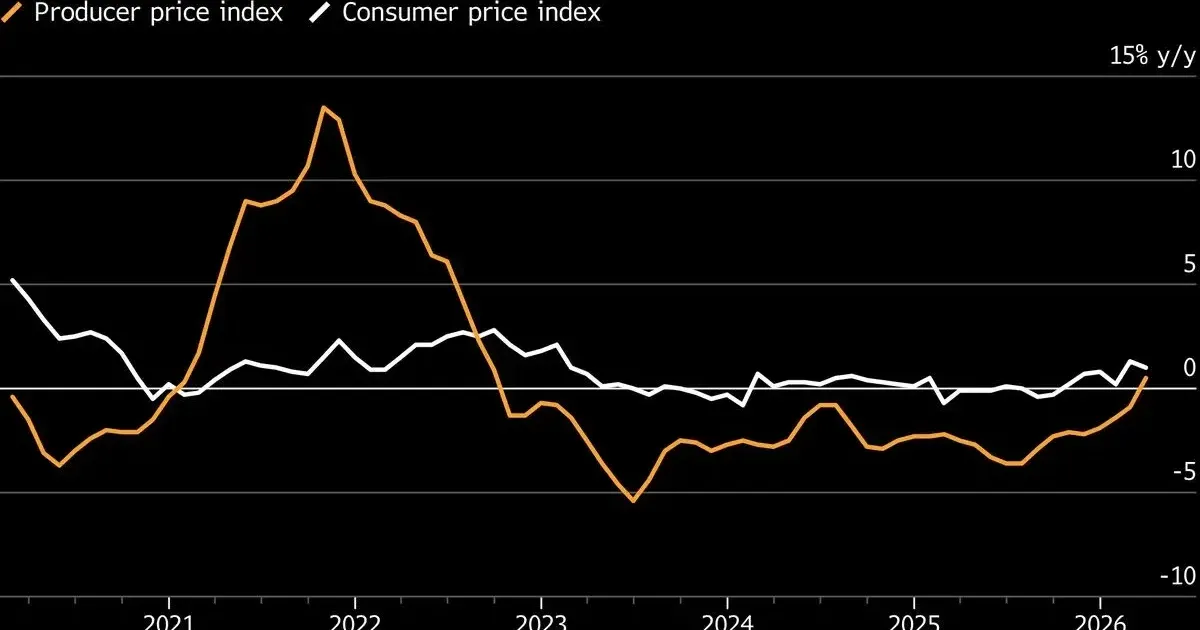
China industrial profits rose 15 percent, offering a stronger early-year signal from manufacturers even as higher energy prices threatened margins. The figures covered the opening months of the year across major factory and mining sectors. By March 27, 2026, officials presented the data as evidence that industrial activity remained resilient despite a volatile external environment. The March 27, 2026 release gave investors a cleaner view of factory margins after months of concern over demand.
The March 27, 2026 improvement was strongest in equipment manufacturing, electric-vehicle supply chains and parts of the export-oriented factory base. Those sectors benefited from automation investment, steady overseas orders and the ability to manage input costs through scale. The headline number still masks uneven performance across heavy industry, mining and smaller private firms. Oil is the main risk. Higher crude prices affect logistics, petrochemicals, plastics and energy-intensive manufacturing. If oil stays elevated, profit growth can narrow quickly even when output remains solid. That is why the profit data is encouraging but not a full signal of safety.
The composition of the profit gain is important. A headline increase led by advanced manufacturing suggests a different economy from one driven only by property construction or raw commodity extraction. It points to the sectors Beijing wants to promote as engines of higher-value growth. That does not mean the recovery is even. Smaller manufacturers may still face weak pricing power, late payments and cautious hiring. Large exporters can absorb shocks that smaller suppliers cannot.
Factories Show Margin Resilience
Chinese manufacturers have spent years trying to reduce vulnerability to cost swings through automation, supplier diversification and longer-term contracts. Those adjustments can help protect margins when commodity prices rise. They also give larger firms an advantage over smaller producers that have less bargaining power.
"China's industrial sector demonstrated clear resilience despite external cost pressures during the first two months of the year," a National Bureau of Statistics spokesperson said.
The data also suggests that domestic demand has not collapsed. Factory profits depend on both export markets and local purchasing power, and a broad profit increase usually means companies are finding buyers without discounting away all gains.
Oil Prices Remain the Main Threat
Brent crude near elevated levels creates pressure along several industrial channels. Transport becomes more expensive, petrochemical feedstocks rise and power producers may face higher replacement costs where coal or renewables cannot fully cover demand. Those pressures can arrive with a lag, meaning the next reporting period may show more strain. Mining firms followed a different path from equipment manufacturers. Some commodity producers faced weaker margins because state pricing controls and saturated output limited upside. That divergence shows why the industrial economy cannot be read through the headline figure alone.
Export demand remains another variable. If overseas buyers slow orders, factories may have to discount goods even while input costs rise. That would squeeze margins from both directions and make the profit rebound harder to sustain. Currency movements also matter because a weaker yuan can help exporters but raise the local cost of imported energy and materials.
Factory utilization will be the next indicator to watch. Profits can rise temporarily if companies cut costs, but a durable recovery requires sustained orders and enough pricing power to protect margins. If utilization falls, the profit rebound may prove thinner than the headline suggests. Beijing also has to manage trade friction. Stronger exports can support factories, but they can also invite new tariffs or investigations from trading partners worried about excess capacity.
Investors will also compare profit growth with credit data. If companies are earning more while borrowing less, the improvement looks healthier. If profits depend on fresh credit or delayed payments, the rebound is more fragile.
The industrial reading also gives commodity traders a reason to watch Chinese demand more closely. Stronger factories consume more fuel, metals and chemicals, which can feed back into the same input costs that threaten margins.
Policy Makers Get Breathing Room
The profit increase gives Beijing some room to argue that targeted support is working. It may reduce pressure for a large stimulus package, especially if officials believe manufacturing can carry more of the recovery. But policy makers will still watch private-sector confidence, youth employment and property-sector weakness.
For investors, the number is a constructive signal with conditions attached. China is showing manufacturing strength, but that strength depends on stable energy costs, continued export access and enough domestic demand to absorb output. If any of those supports weaken, a 15 percent profit increase could become a temporary high point rather than the start of a durable trend. The figures also matter for global suppliers that sell equipment, chips, chemicals and machine tools into China. A healthier industrial sector can support demand across those supply chains, while a margin squeeze would be felt well beyond Chinese factories.