China's state oil majors are no longer treating expansion as the only measure of strength. PetroChina, Sinopec and CNOOC are moderating spending as weaker margins, demand uncertainty, petrochemical overcapacity and energy-security demands pull management in different directions.
The shift is not a retreat from oil and gas. Beijing still wants domestic production, strategic reserves and reliable supply lines because China remains heavily exposed to imported crude. The change is in capital discipline. New barrels matter, but not every project deserves funding when demand growth is flattening and energy-transition pressure is rising.
Security Still Sets The Political Instruction
Energy security remains the central order for China's national oil companies. Domestic output helps reduce exposure to sanctions, maritime disruption, volatile shipping lanes and sudden price spikes. Offshore projects, mature-field recovery, gas infrastructure and storage all fit that priority.
The budgets are not unlimited. Security is strongest when it produces usable resilience, not when it creates expensive capacity that earns weak returns. The state wants a buffer; investors still want proof that capital is not being wasted.
Each Major Faces A Different Constraint
PetroChina's strength is its upstream position and domestic network. Its spending choices are tied closely to field productivity, gas growth and the cost of sustaining output from mature assets.
Sinopec faces a different problem because refining and petrochemicals sit closer to margins, fuel demand and overcapacity. When product spreads weaken, expansion can quickly become a burden. CNOOC has offshore growth options, but deepwater and offshore development can be capital-heavy even when the strategic logic is clear.
Demand Is No Longer A Straight Line
China's oil-demand story has changed. Electric vehicles, slower property-linked growth, efficiency gains and weaker industrial cycles make long-term demand harder to forecast than in the old high-growth period. Transport fuel is no longer the guaranteed engine it once was.
The slower demand outlook changes the investment case. A refinery, petrochemical complex or marginal field must now justify itself against a market where volume growth is less certain and policy pressure favors cleaner energy, gas, batteries and electrification.
Volatility Does Not Justify Every Project
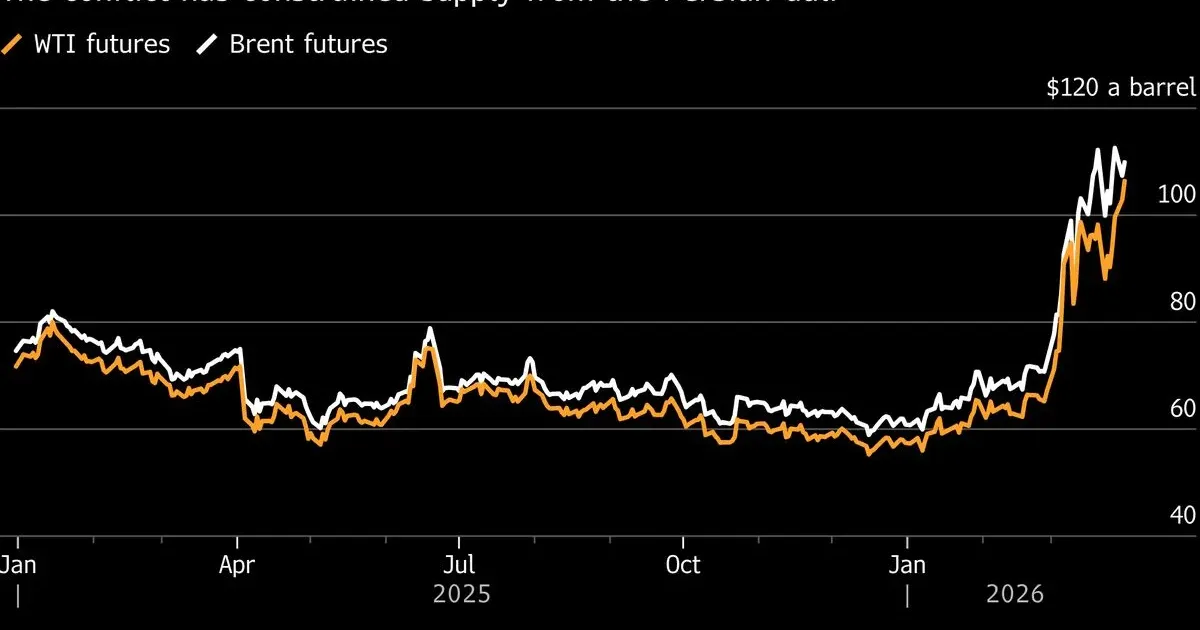
War risk around the Middle East and the Strait of Hormuz reminds Beijing why oil security matters. China cannot assume sea routes will stay calm or that global supply will always be priced for stability.
But volatility cuts both ways. It can raise prices and make domestic production more valuable, but it can also weaken demand, raise financing caution and make long-cycle projects harder to evaluate. A panic-driven capital program can become tomorrow's stranded capacity.
Less Glamorous Spending May Matter More
Improving recovery from existing fields, expanding storage, strengthening gas networks and tightening refinery efficiency may do more for resilience than headline-grabbing megaprojects. These investments are less dramatic, but they can produce faster and more controllable security gains.
Capital discipline is the practical center of the spending shift. China wants its oil companies to act as policy instruments and commercial businesses at the same time. The tension is permanent. The current market simply makes it harder to hide.
Growth Now Has To Prove Resilience
The spending restraint shows maturity, but also constraint. Beijing wants security, investors want returns and the companies need room to navigate the energy transition. Those goals can overlap, but they are not identical.
The decisive question is whether the majors can keep domestic supply stable without locking capital into expansion for its own sake. If they succeed, China gets a stronger energy buffer. If they fail, the country remains import-dependent while carrying more weak-margin capacity. Security is the right priority, but every barrel now has to justify itself twice: once to the state and once to the market.