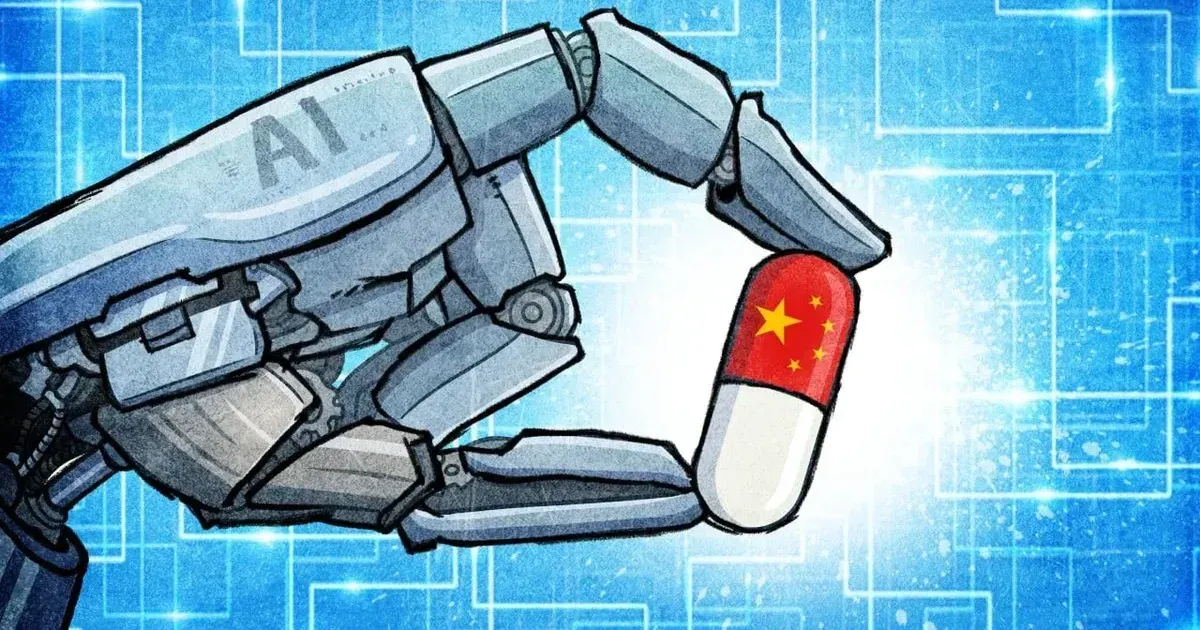
CSPC Pharmaceutical led a surge in cross-border pharmaceutical transactions on April 18, 2026, as domestic firms increasingly rely on external capital to fuel research pipelines. International interest in Chinese intellectual property has intensified, resulting in out-licensing agreements that provide immediate liquidity to companies facing a tightening domestic venture capital market. RemeGen and Haisco Pharmaceutical Group followed this trajectory by securing multibillion-dollar agreements with international partners, focusing primarily on late-stage oncology and autoimmune therapies. Economic shifts within the mainland have transformed these firms from local manufacturers into global developers of novel drug candidates.
International drug giants frequently seek to fill their patent cliffs with assets from the East, where development costs are much lower than in the United States or Western Europe. CSPC Pharmaceutical reported a sequence of international licensing agreements totaling $18.5 billion, highlighting a shift in how Chinese drugmakers monetize their intellectual property. These deals often include large upfront payments and subsequent milestone-based rewards that can span a decade. RemeGen secured a separate agreement valued at $5.6 billion for its portfolio of antibody-drug conjugates. Investors view these transactions as validation of Chinese R&D quality.
CSPC Pharmaceutical and RemeGen Lead Licensing Surge
Capital flow into the Chinese biotech sector has changed direction, moving from private equity toward corporate out-licensing. CSPC Pharmaceutical transitioned its focus toward high-value molecules that target rare diseases and hard-to-treat cancers. This strategy attracts multinational corporations that possess the infrastructure for global Phase III trials. RemeGen used similar tactics by offloading rights to specific biological agents that showed high efficacy in early-stage human trials. Analysts at major investment banks note that these deals provide a bridge for companies that cannot currently afford the multi-year costs of bringing a drug to the global market alone.
Deal structures have become increasingly complex, involving geographic restrictions and tiered royalty rates. Haisco Pharmaceutical Group finalized two deals including a $745 million pact with a U.S. partner during the first quarter of the year. Under the terms of the agreement, the Beijing-based firm maintains control over the domestic market while granting its partner exclusive rights in North America and Europe. This model allows Chinese firms to retain their primary customer base while leveraging Western marketing expertise. Recent filings show that Haisco Pharmaceutical Group received an initial cash payment of $60 million as part of the transaction.
Artificial Intelligence Integration Accelerates Drug Discovery
Artificial intelligence has fundamentally altered the speed at which these companies identify promising chemical compounds. Chinese biotech firms now deploy generative AI to simulate protein folding and molecular docking, tasks that previously required years of laboratory work. These digital tools allow researchers to predict how a drug will interact with human cells before a single physical sample is synthesized. AI-driven platforms have reduced the discovery phase from an average of five years to approximately eighteen months for several firms in the Beijing cluster. Faster discovery times lead to quicker clinical trial starts, which in turn makes the companies more attractive to international licensees.
Machine learning algorithms also optimize the selection of patients for clinical trials, reducing the failure rate of expensive Phase II studies. By analyzing genomic data from thousands of previous participants, AI systems identify subpopulations most likely to respond to a specific treatment. CSPC Pharmaceutical reported that its AI integration lowered overall R&D expenditure by 15% over the last fiscal year. Smaller firms like RemeGen use AI to repurpose existing molecules for new indications, extending the life of their patent portfolios. Laboratory automation coupled with AI ensures that data collection remains consistent across multiple global sites.
Beijing Policy Shifts Support Pharmaceutical Innovation
Regulatory changes in Beijing have encouraged firms to move away from generic drug production toward original innovation. Government subsidies now favor companies that develop "first-in-class" or "best-in-class" treatments rather than simple biosimilars. This policy direction forced many established players to overhaul their research departments and hire talent from top-tier global research institutions. National healthcare reimbursement lists have also been adjusted to include expensive new biologics faster than in previous decades. Domestic demand for advanced treatments provides a safety net for companies that fail to find international partners.
The Beijing-based Haisco granted U.S. partners the exclusive rights to develop and commercialize its newest therapeutic candidates in international territories.
Public markets in Hong Kong have provided an essential exit strategy for early investors through Chapter 18A listings. The specific regulation allows pre-revenue biotech companies to go public, provided they have at least one product in Phase II clinical trials. Although market volatility persists, the ability to tap into public equity markets has kept many firms solvent during periods of low venture capital activity. Haisco Pharmaceutical Group used its public standing to raise additional funds for its manufacturing facilities. Recent reports indicate that the company plans to expand its production capacity for injectable medications by 2027.
Biotech Capital Shift
Does the mass exportation of pharmaceutical rights represent a loss of long-term sovereign value for the Chinese biotech sector? The current trend of out-licensing, while providing a necessary infusion of liquidity, effectively turns Chinese innovators into subcontractors for Western pharmaceutical giants. Firms like CSPC Pharmaceutical and RemeGen are trading the future exponential returns of global commercialization for the immediate safety of milestone payments. The behavior reveals a deep fragility in the domestic capital ecosystem that cannot support a drug from discovery to pharmacy shelf. If this pattern continues, China will remain a laboratory for the world instead of a dominant commercial force in the medical marketplace.
Skepticism is required when evaluating the billion-dollar price tags associated with these deals. Often, the headline figures include theoretical milestone payments that the majority of drugs never achieve due to the high failure rates of Phase III clinical trials. A deal worth $18.5 billion may actually only result in a few hundred million dollars of realized cash if the drug candidate underperforms in late-stage testing. These companies are essentially selling lottery tickets. Until Chinese biotech firms can fund their own global distribution networks, they remain tethered to the whims of Western corporate strategy and regulatory gatekeeping.