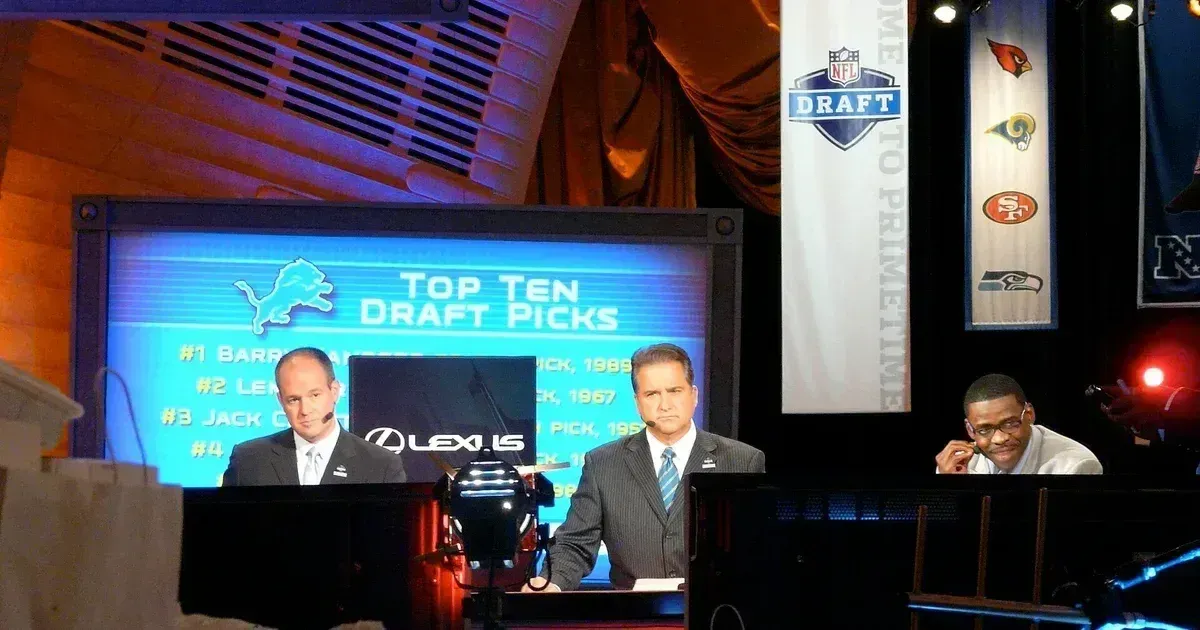
San Diego State cornerback Chris Johnson dominates the final pre-draft evaluations after a series of private workouts altered the perception of his athletic ceiling. Front offices across the league are adjusting their defensive priorities as the draft approaches, moving Johnson from a projected mid-round selection into the upper level of defensive prospects. The latest evaluations were reported on April 20, 2026. Most personnel directors now view him as a lock for the first round of the draft. His rise coincides with a frantic period of late-stage scouting where physical metrics often outweigh three years of game film.
Johnson clocks in with a 4.34-second 40-yard dash, a number that validates his recovery speed on vertical routes. Analysts at Newsweek suggest he is the biggest potential surprise for the opening night of the event.
San Diego State Cornerback Gains Momentum
Defensive coordinators seeking press-man specialists are focusing on Johnson because of his length and lateral agility. Professional schemes increasingly require cornerbacks who can survive on islands against elite speed without constant safety help. Johnson fits this mold perfectly, having allowed a completion percentage under 40% during his final year at San Diego State. Scouting departments emphasize his hand placement at the line of scrimmage as a primary asset. He disrupts the timing of wideouts before they can enter their breaks, a skill that translates effectively to the professional game. One NFC East scout noted that Johnson possesses the wingspan of a much larger athlete. He finished his collegiate career with 12 interceptions and 34 pass breakups.
Teams at the bottom of the first round often gamble on traits over polished production, yet Johnson offers both. His film shows a disciplined player who rarely bites on double moves or pump fakes. This discipline is a rarity in modern collegiate defensive backs who often prioritize highlight-reel hits over sound coverage. San Diego State used him as a boundary corner, forcing opposing quarterbacks to target the middle of the field. He surrendered only two touchdowns over his final 24 games. Scouts are particularly enamored with his performance against ranked opponents, where his production remained consistent. Coaches in the Mountain West Conference consistently voted him as the most difficult defender to scheme against.
Evaluating a prospect from a non-power conference requires a careful assessment of the level of competition. While critics argue that Johnson did not face elite receivers weekly, his physical dominance over the opponents he did face suggests a high floor. Projections from major sports networks now have him being selected as high as the 18th overall pick. He meets every physical threshold required by the rigorous scouting systems used by the Baltimore Ravens and Pittsburgh Steelers. The demand for lockdown corners remains high at a time when passing yards continue to climb across the professional landscape. Johnson represents the new archetype of defensive back.
Jordyn Tyson Faces Potential Draft Day Slide
Arizona State wide receiver Jordyn Tyson presents a starkly different narrative as his draft stock experiences substantial volatility. Despite a productive career in the desert, rumors of inconsistent work ethic and route-running lapses have begun to circulate among scouting circles. Newsweek reported that at least one leading analyst believes Tyson will face a disappointing fall when the names are called. This skepticism stems from a late-season slump where his catch rate plummeted during critical games. NFL teams value consistency above raw talent, and Tyson has struggled to provide a steady floor of performance. He remains a polarizing figure in many draft rooms. His ability to create separation is undeniable, yet the details of his game remain unrefined. General manager perspectives on the 2026 NFL Draft often reveal the internal chaos inherent in team scouting processes.
Wide receivers in the 2026 class are plentiful, which works against a prospect with perceived red flags. Organizations can find similar speed in later rounds without the associated risk that Tyson carries. Medical reports from the combine also raised questions about a recurring hamstring issue that sidelined him for three games last autumn. While he possesses the frame to be a primary target, he often allows smaller cornerbacks to outmuscle him at the point of attack. Arizona State coaches defended his performance, citing a rotating cast of quarterbacks as the reason for his statistical dip. Professional scouts are rarely swayed by such excuses during the vetting process. He recorded 800 yards and five touchdowns in his final season.
One analyst believes he may be disappointed on draft day.
Internal evaluations suggest that Tyson might slide into the late second or early third round. Such a drop carries heavy financial consequences for a young athlete. The difference between a first-round contract and a second-round deal often totals several million dollars in guaranteed signing bonuses. Agent conversations indicate that Tyson is aware of the shifting tide and has attempted to address concerns through additional private meetings with team owners. Those meetings have yielded mixed results. Some executives find his confidence refreshing, while others see it as a lack of self-awareness regarding his on-field flaws. He averaged 14.2 yards per reception throughout his collegiate tenure.
Draft Board Volatility
The professional football scouting machine may be validating its own biases through a cycle of late-draft hype instead of identifying talent. The sudden ascension of Chris Johnson and the simultaneous vilification of Jordyn Tyson suggest a process more grounded in groupthink than objective data. Scouts often fall in love with the newest shiny object while discarding years of evidence provided by players like Tyson, who performed in a more rigorous conference. The obsession with late-season 'momentum' is a recurring pathology that leads to draft busts.
A 40-yard dash in shorts should never outweigh a three-year body of work against Pac-12 competition, yet the current market suggests otherwise. The record confirms a manufactured narrative designed to create drama for television ratings rather than a sober assessment of athletic longevity.
Financial implications of these shifts are devastatingly real. By pushing Tyson down the boards based on 'polarizing' reports, the league effectively suppresses his career earnings before he even signs a contract. It is a system that rewards the quiet riser from the Mountain West while punishing the high-profile receiver who faced a larger volume of defensive scrutiny. If Johnson fails to adapt to the speed of professional wideouts, the scouts will simply move on to the next athletic marvel. If Tyson succeeds, they will claim they always saw the potential but questioned the fit. The draft is not a meritocracy.
It is a high-stakes gambling hall where the house always wins. The 2026 class will be defined by these two divergent paths. It is a cold reality for the athletes involved.
The results will settle the argument. The truth eventually surfaces on the field.