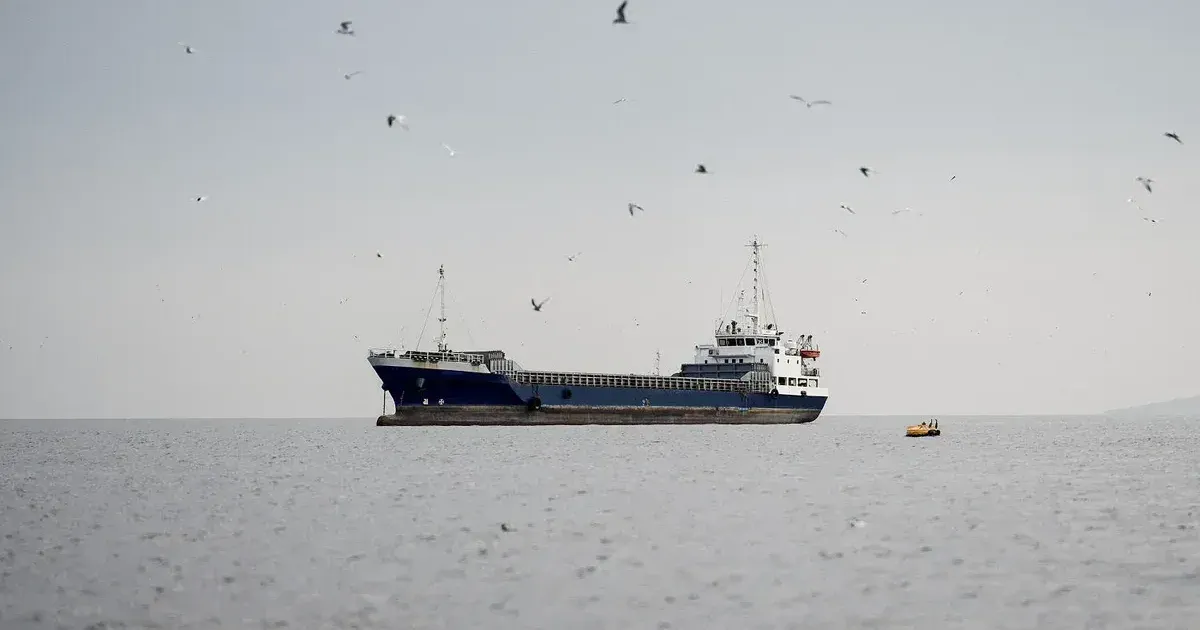
Donald Trump said U.S. forces seized an Iranian tanker in the Arabian Sea, adding another maritime flashpoint to an already volatile confrontation with Tehran. Shipping firms had been watching Gulf routes closely as negotiations and military pressure overlapped. On April 19, 2026, the tanker claim turned that pressure into a visible test of maritime control.
The reported seizure matters because tanker operations are never only about one ship. They affect insurance rates, naval posture, oil-market psychology and the willingness of crews and owners to move through routes that already carry political risk.
Donald Trump framed the operation as proof that Washington was restoring command over strategic waters rather than waiting for Iran to dictate shipping conditions.
Maritime Pressure Rises
The Arabian Sea and Gulf approaches sit inside a wider security map that traders and naval planners read together. A boarding outside the Strait of Hormuz can still influence traffic through the strait because shippers price danger across the entire route.
The Strait of Hormuz remains the central risk point. Any sign that tankers may become instruments of state pressure can raise costs before cargo details, ownership records or legal authorities are fully confirmed.
Tanker seizures are powerful signals because they are visible, expensive and difficult to separate from national pride. Iran has often treated maritime pressure as a way to answer sanctions, military threats or diplomatic isolation.
That makes a U.S. seizure useful as leverage but risky as a precedent. Once one side turns commercial shipping into a pressure point, the other side may look for a response that is visible enough to preserve credibility.
Legal Details Matter
The details of ownership, cargo and route will matter. A tanker can be state-owned, privately operated, sanctioned, disguised through shell companies or only loosely connected to the government whose flag, cargo or financing draws suspicion.
Each version carries a different legal and diplomatic consequence. If the tanker was tied to sanctions evasion, officials can frame the seizure as enforcement. If the link is less direct, Iran will call it piracy and try to rally diplomatic sympathy.
The administration's public case will depend on evidence it may not want to reveal fully. That creates a familiar tension: intelligence can support a military or enforcement action, but secrecy makes it harder to persuade skeptical allies, markets and lawmakers.
Congress may seek more detail if the seizure affects negotiations or energy prices. A prolonged pattern of tanker operations would raise questions about objectives, legal authorities and how much oversight lawmakers receive before escalation becomes harder to reverse.
Political Message at Home
Vice President JD Vance and other administration allies are likely to present the operation as evidence of resolve. Opponents will ask whether Congress has enough visibility into the chain of decisions behind such moves.
The tanker story also fits a domestic political pattern. Visible action at sea is easier to explain than slow negotiations, but it may complicate the diplomacy the administration says it wants.
Shipping companies will respond before politicians finish arguing. Insurance premiums, routing decisions and charter costs can move quickly when crews believe detention, harassment or retaliation is more likely.
Oil markets react to perceived risk, not only confirmed disruption. Even a single seizure can push companies to reconsider routes, crew exposure and the cost of moving cargo through politically contested water.
Escalation Control
The seizure may strengthen Trump's hand if it stays limited. If Iran answers at sea, the administration will have to prove it can apply pressure without losing control of the pace. Neutral intermediaries will also read the event carefully. Diplomats trying to preserve a negotiating channel may worry that maritime actions create new grievances faster than private discussions can resolve old ones. That does not mean Washington has to avoid every enforcement action during diplomacy. It does mean each action needs a clear purpose. If the goal is leverage, officials must know what concession the leverage is supposed to produce. If the goal is punishment, they should not present the move as only technical enforcement. Iran's response will show whether the event remains contained. Silence, legal protest, proxy pressure and reciprocal action all point to different levels of risk. Until that response is clear, the seizure will sit over the talks as both a signal and a complication. The best outcome for Washington is a limited operation that strengthens leverage without triggering retaliation. The worst outcome is a cycle of seizures, escorts and warnings that makes Hormuz feel less like a shipping lane and more like a pressure point waiting to break. The tanker episode also tests alliance management. European and Gulf partners may share concerns about Iranian activity, but they also worry about sudden maritime escalation that can disrupt energy flows and complicate diplomacy. That means Washington will need to brief allies quickly and with enough detail to hold support. If partners believe the evidence is strong, they may treat the operation as sanctions enforcement. If they believe the case is thin, they may urge restraint and keep distance from the move. The commercial side will be just as sensitive. Tanker owners, insurers and charterers do not need certainty to change behavior. A pattern of risk, or even the fear of a pattern, can be enough to push costs higher. For Iran, the choice is also complicated. A direct response could raise the danger of confrontation, but no response could look weak to domestic hard-liners and regional allies. That pressure is why maritime incidents can become larger than the ship involved. The administration's challenge is to keep the legal, military and diplomatic stories aligned. If those stories diverge, a tactical seizure could become another reason for both sides to distrust the negotiating channel. Energy diplomacy adds another layer. Gulf producers, Asian buyers and European governments all have reasons to prevent a tanker dispute from hardening into a wider maritime contest. Their reaction may influence whether the seizure becomes a short episode or a new phase of pressure. The White House can still use the event to project strength, but strength at sea is useful only if it serves a clear political end. Without that clarity, each successful operation can create the next demand for escalation. That is why the tanker story cannot be judged only by whether the operation succeeded. It has to be judged by whether the seizure improves Washington's negotiating position without making every commercial vessel in the region feel more exposed.