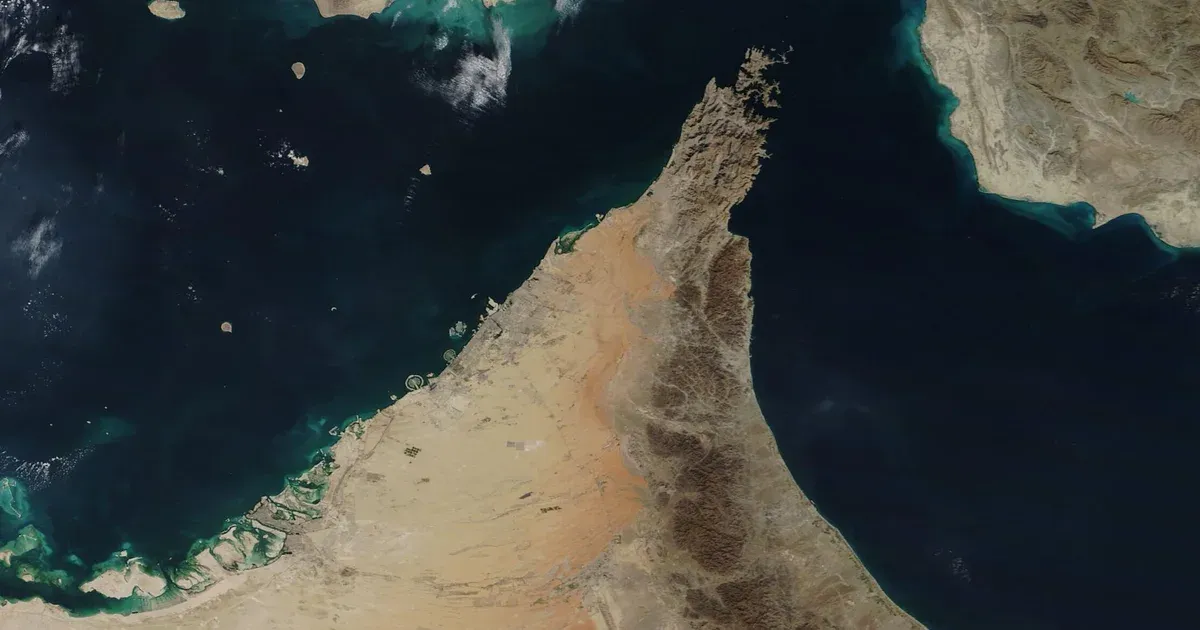
President Donald Trump said the United States would reopen the Strait of Hormuz as Vice President JD Vance traveled to Pakistan for talks linked to Iran. The White House framed the message as a warning to Tehran and a reassurance to energy markets. Officials treated the timing as both a market signal and a diplomatic test. By April 11, 2026, the administration was trying to combine coercive military language with a diplomatic channel through Islamabad.
The strategy carries obvious tension. A public vow to force open a maritime corridor can support negotiations by showing resolve, but it can also make compromise harder. Vance's mission depends on enough pressure to move Iran without triggering the confrontation the talks are meant to prevent.
Hormuz Pressure Meets Diplomacy
The Strait of Hormuz remains one of the world's most important oil transit routes. Even a partial disruption can raise crude prices, insurance costs and shipping delays. That is why Trump's statement was aimed at traders and allies as much as at Iran.
Naval assets in the Gulf give the United States leverage, but they also create risk. Escorts, warnings and close encounters can become dangerous if commanders misread intentions. A promise to reopen the strait sounds simple in political language; it is more complicated on the water.
Vance's presence in Pakistan gives the administration a quieter channel. Islamabad has relationships with Washington and Tehran, and that makes it useful for messages neither side wants to deliver directly. Still, Pakistan's role also gives it influence over the pace and framing of the talks.
Pakistan's Role in Iran Talks
JD Vance is expected to press for commitments that reduce maritime risk and limit future disruptions. Iran, however, is unlikely to surrender leverage without sanctions relief or security assurances. That gap explains why the talks are likely to be difficult even if all sides want to avoid open war.
Using a third-party venue gives both governments room to deny concessions at home. It can also slow the process because each message passes through intermediaries. The result is diplomacy that may be safer politically but less direct operationally.
Allies in Asia and Europe will watch closely because they absorb the economic consequences of a Hormuz crisis. South Korea, Japan and several European economies depend on predictable Gulf shipping. Their pressure on Washington will favor a resolution that lowers risk without inviting a wider conflict.
Energy Markets Watch Naval Risk
Donald Trump has tied his credibility to the claim that the passage can be reopened quickly. Energy markets will test that claim through prices, insurance premiums and tanker movements. If vessels resume normal routes, the administration can argue that pressure worked. If risk remains high, the promise will look more like rhetoric than control.
The economic stakes are immediate. Higher shipping costs can move into fuel prices, industrial production and inflation expectations. That makes Hormuz a domestic political issue for the United States even though the crisis is centered thousands of miles away.
Iran's internal politics complicate the picture. Hardliners may resist any concession that appears to come under American pressure, while more pragmatic figures may want relief from economic strain. Vance's task is to identify whether Tehran can accept a deal without making its leaders look weak.
Coercion and the Risk of Miscalculation
The administration is attempting a familiar form of coercive diplomacy: threaten force, create a back channel and offer a narrow path to de-escalation. That can work when signals are clear. It can fail when either side treats the threat as bluff or provocation.
The most dangerous scenario is an incident at sea during negotiations. A drone, patrol boat or missile battery could create a crisis faster than diplomats can contain it. That is why military discipline and private communication are as important as public statements.
Trump's promise may reassure supporters who want a decisive response, but the practical outcome depends on maritime behavior. The next few days will show whether the administration can turn pressure into a shipping corridor that actually feels safe to use.
For now, the Hormuz message is both a threat and a test of diplomatic control. The White House wants markets to believe it can restore order, while Vance has to prove that the same pressure does not collapse the talks designed to prevent war. Allies will also measure whether Washington's public confidence matches private coordination. Japan, South Korea and European governments need practical information about escorts, insurance, tanker routing and contingency supplies. If they receive clear guidance, Trump's threat may be treated as part of a controlled pressure campaign. If messages conflict, markets will assume that policy is being improvised. Pakistan's role adds another variable because intermediaries can clarify positions or blur them. Vance therefore has to leave Islamabad with more than atmospherics; he needs a pathway that Iran can accept, allies can trust and commanders at sea can translate into safer operating conditions. Military planners will also have to keep public rhetoric from outrunning operational reality. Reopening a waterway requires sustained protection, not only a dramatic announcement. If the United States promises certainty while shipping firms still see risk, markets will price the uncertainty anyway.