Peshawar Zalmi officials met with Pakistan Cricket Board representatives to address mounting allegations of administrative favoritism and illegal bowling actions. These discussions follow a series of high-profile incidents that have threatened the credibility of the franchise competition. Dual controversies involving veteran coach Misbah-ul-Haq and spinner Usman Tariq have forced the league to defend its regulatory standards. International observers and domestic critics alike argue that the governing body is failing to apply its own code of conduct with necessary impartiality. The disputes reached the league’s governing body on April 11, 2026.
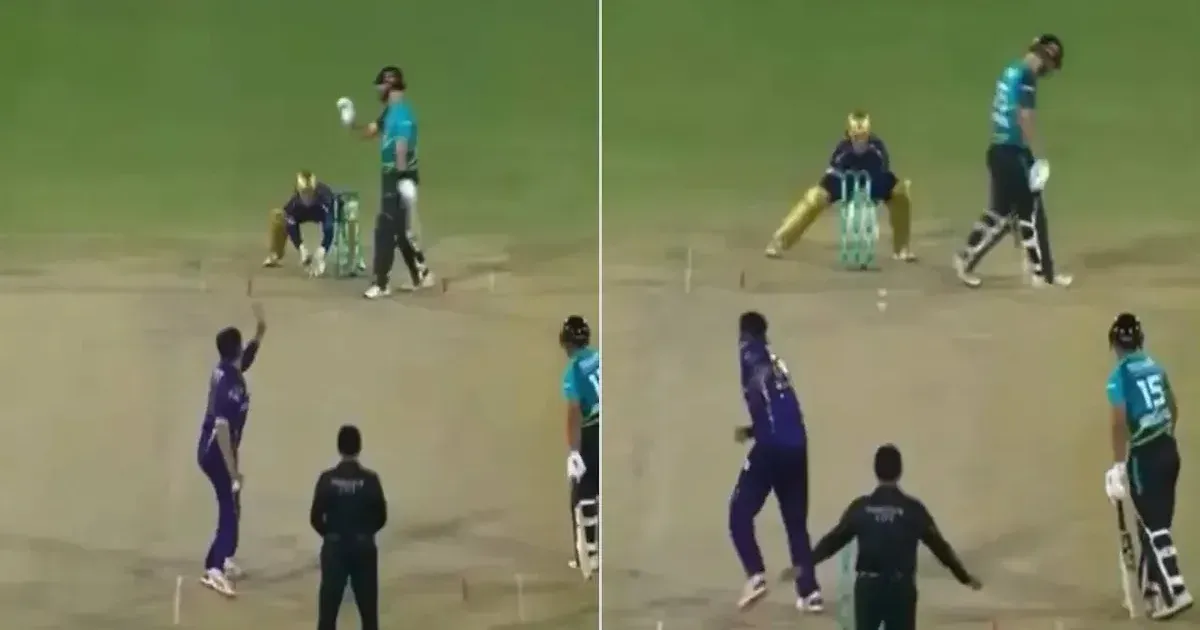
New Zealand batter Daryl Mitchell sparked the first firestorm during a recent match between Peshawar Zalmi and a rival squad. Mitchell expressed visible frustration with the bowling mechanics of Usman Tariq, a spinner whose delivery includes a pronounced hesitation. Such delays disrupt the timing of world-class batters who rely on rhythmic cues from the bowler. Mitchell walked away from the crease twice during a single over, forcing umpires to intervene and manage the escalating tension on the field. This specific protest highlighted long-simmering debates regarding what constitutes a legal delivery versus intentional gamesmanship.
Umpires eventually allowed the game to proceed, but the optics of a top-tier international player refusing to face a delivery caused immediate damage to the league's reputation. Mitchell argued that the long pause in Tariq’s action created an unfair advantage by keeping the batter in a state of suspended animation. International Cricket Council regulations generally prohibit actions that deliberately distract or deceive the batter, yet the interpretation of these rules often falls to local officials. Tariq continues to use the delivery, asserting that his action has been cleared by technical experts in the past.
Peshawar Zalmi Management and Conflict Allegations
Misbah-ul-Haq finds himself at the center of a separate administrative row regarding his simultaneous roles within the cricket ecosystem. The former Pakistan captain currently is a national selector, a position that traditionally requires total neutrality. Despite this mandate, Misbah has continued his work with Peshawar Zalmi, creating a situation where a selector is directly employed by one of the teams whose players he must evaluate for the national side. Critics claim this arrangement provides Zalmi with an unfair advantage in talent identification and internal board politics. Misbah-ul-Haq defended his position by pointing to the timeline of his professional obligations.
“I had signed a contract with Zalmi before I became national selector, and I am merely fulfilling my existing legal duties,” Misbah stated during a press briefing.
The veteran cricketer maintains that his prior commitments should be respected by the board. He argues that he did not seek to double-dip but rather found himself caught between two valid contracts. This explanation has done little to satisfy rival franchises who see the dual role as a blatant violation of established ethics. Records indicate that other leading figures were not afforded the same leniency when facing similar professional overlaps.
Daryl Mitchell and Usman Tariq Bowling Controversy
Daryl Mitchell decided he had seen enough. After the second instance of Tariq holding the ball at the apex of his delivery for nearly two seconds, the New Zealander signaled to the square leg umpire. Professional cricket operates on split-second reactions, and a two-second delay transforms the psychological dynamic of the encounter. Mitchell’s refusal to play was more than a tactical choice but a statement on the integrity of the contest. He stayed in his dugout after the match, refusing to comment further to the press about the specific mechanics of the Tariq delivery.
Pakistan’s domestic circuit has a history of producing unique bowling actions that often push the boundaries of legality. Usman Tariq is part of this tradition, using a jerky, stop-start motion that makes it nearly impossible for a batter to predict the moment of release. While his arm speed and elbow extension appear to be within the 15-degree limit, the timing of the release remains the point of contention. Rival coaches have begun filing formal complaints with the Pakistan Cricket Board, requesting a comprehensive review of Tariq’s biomechanics.
Public trust in the league office is evaporating. Fans see the lack of intervention as a sign that the PCB prioritizes entertainment value over strict adherence to the laws of the game. If a batter can be penalized for time-wasting, critics argue that a bowler should face similar scrutiny for delaying the delivery. The current environment allows for a dangerous level of ambiguity that favors the bowling side. Standardization of rules across all franchises is no longer a luxury.
Pakistan Cricket Board Governance Deficits
Governance issues at the board level extend far beyond the pitch. The primary grievance among league stakeholders is the inconsistent application of conflict-of-interest policies. When Sarfaraz Ahmed and Wahab Riaz attempted to balance similar roles in previous seasons, the PCB took a hardline stance. Both players were told they must choose between their board-affiliated duties and their franchise interests. The board’s refusal to apply this same logic to Misbah-ul-Haq suggests a hierarchy of influence where certain legends are exempt from the rules.
Structural flaws in the PCB's leadership often lead to these contradictions. With frequent changes in the board’s chairmanship, policy enforcement remains sporadic and dependent on personal relationships. Each new administration brings a different set of priorities, often reversing the decisions of its predecessor. This lack of institutional memory creates a vacuum where influential figures can negotiate private exemptions. Misbah signed his deal prior to his selection role.
Conflict-of-interest rules exist to prevent the perception of bias, not just the act of it. Even if Misbah-ul-Haq acts with total integrity, that he remains on the Zalmi payroll while selecting the national team is enough to undermine public confidence. Players from other franchises now wonder if their path to the national team is blocked by their lack of affiliation with the Zalmi camp. The integrity of the selection process is the foundation of national team success.
League Stability Question
Questions regarding the professionalism of the Pakistan Cricket Board now dominate the conversation among international observers who see a league in danger of becoming a provincial sideshow. The PCB operates less like a modern sporting body and more like a feudal system where loyalty to specific personalities outweighs the rulebook. By allowing Misbah-ul-Haq to maintain a dual role that was denied to Sarfaraz Ahmed, the board has effectively admitted that its regulations are optional. The favoritism destroys the commercial viability of the PSL as a neutral platform for world-class talent.