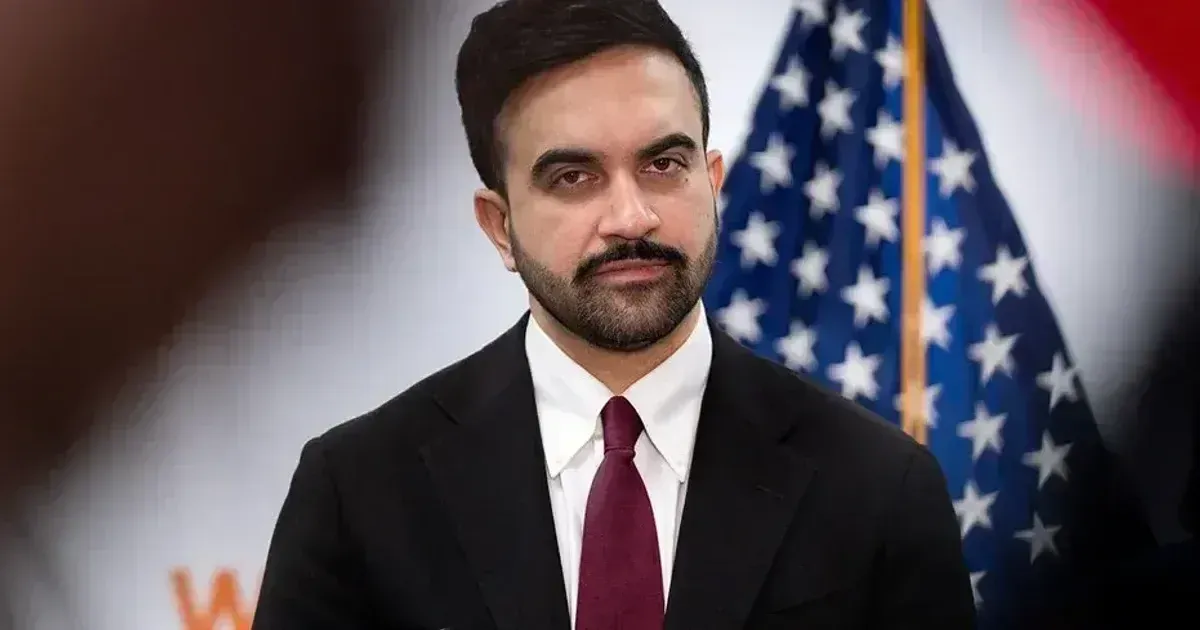
New York Police Department officers apprehended Yeshayahu Carraway on April 19, 2026, after the suspect allegedly attempted to evade a subway fare three months after a violent hate crime. Carraway, 41, had been the subject of a citywide search since January 18, when he reportedly followed a young commuter off an L train. Detectives tracked the suspect to the Lorimer Street station in Williamsburg where the initial assault occurred. This arrest brings a conclusion to a manhunt that began in the depths of winter.
Reports from the 94th Precinct indicate that Carraway targeted a 24-year-old male victim around 5:00 a.m. following a brief interaction on the train. Witness statements describe the assailant shouting homophobic slurs throughout the duration of the attack. Carraway allegedly struck the victim multiple times before fleeing into the surrounding Brooklyn neighborhood. Investigators relied on surveillance footage and transit records to piece together his escape route.
Failure to pay the $2.90 subway fare ultimately led to his capture during a routine enforcement operation. Plainclothes officers spotted the fugitive at a turnstile and realized his identity matched the profile in the active hate crime warrant. Police records show Carraway has a history of prior encounters with law enforcement. He now faces charges including second-degree assault as a hate crime and theft of services. Public safety advocates frequently point to fare enforcement as a primary tool for identifying individuals with outstanding warrants for violent offenses.
Williamsburg Subway Assault Ends in Fare Evasion Arrest
Victims of transit violence often wait months for judicial resolution while suspects remain at large within the vast New York City subway system. The 24-year-old victim in the Williamsburg case suffered facial injuries and severe emotional distress. Hospital records from the morning of the attack confirm the severity of the blunt force trauma. Carraway avoided detection by moving between boroughs and avoiding his known residences. His sudden appearance at the same station where the crime occurred suggests a lack of concern regarding police surveillance.
Hate crime designations sharply increase the potential sentencing guidelines for New York defendants. Prosecutors must prove that the bias against the victim’s perceived sexual orientation motivated the physical violence. Yeshayahu Carraway remains in custody pending an appearance in Brooklyn Criminal Court. Public defenders assigned to the case have not yet released a formal statement regarding the specific allegations. Legal experts suggest that the homophobic slurs captured on audio or reported by witnesses will be central to the prosecution's strategy.
Queens Park Shooting Witnesses Recorded Teenager’s Death
Violence elsewhere in the city took a more permanent toll when a 15-year-old boy lost his life in a public park. Jaden Pierre died from gunshot wounds in a Queens recreation area during an altercation involving several other teenagers. Law enforcement officials arrived to find the victim unresponsive while bystanders fled the scene. Early evidence suggests the dispute began as a physical fight before a firearm was introduced. Jaden Pierre lived in the local neighborhood and attended a nearby high school. Public safety concerns remain high in the city, mirroring the security threats identified during the attempted Gracie Mansion attack.
Grief quickly turned to outrage for the family as details of the incident surfaced on social media. Shanelle Weston, the mother of the victim, expressed deep anger toward the young people who chose to film the killing rather than offer assistance. Dozens of teenagers reportedly stood in a circle during the assault. Mobile phone footage shows Jaden Pierre struggling against several attackers before the fatal shots were fired. These digital recordings have become essential evidence for detectives working to identify the shooter.
“You are all p***ies,” 33-year-old Shanelle Weston, the mother of 15-year-old Jaden Pierre, told the Daily News. “P***ies. You all beat on my son and that were it. You all watched him die. You all recorded him die.”
Shanelle Weston delivered her remarks during a period of mourning that has galvanized the Queens community. The 33-year-old mother described her son as a typical teenager who was unfairly targeted by a group. Jaden Pierre was unarmed at the time of the shooting. Police have reviewed several videos posted to platforms such as TikTok and Instagram. These clips show the final moments of the boy's life from multiple angles.
Metropolitan Transportation Authority Safety Data Trends
Transit crime statistics provided by the Metropolitan Transportation Authority show a fluctuating pattern of violence across the five boroughs. While major felonies in the subway system dropped slightly in early 2026, hate crimes and random assaults persist. Yeshayahu Carraway is a specific category of offender who utilizes the anonymity of the transit system to target vulnerable populations. The Lorimer Street station is a major hub for commuters traveling between Brooklyn and Manhattan. Security presence at this location has increased since the January attack.
Public perception of safety often lags behind actual statistical improvements. Many riders express concern about the presence of repeat offenders like Yeshayahu Carraway in the tunnels. The New York City Council continues to debate the efficacy of surge policing in stations. Some members argue that fare evasion arrests disproportionately affect low-income residents. Others contend that the arrest of Carraway proves the value of maintaining a high police presence at turnstiles. The L train remains one of the busiest lines in the city.
Law Enforcement Challenges in Fugitive Recovery Efforts
Capturing violent suspects requires a combination of digital forensics and old-fashioned beat policing. Detectives in the Jaden Pierre case face different challenges than those who tracked Yeshayahu Carraway. The culture of filming violence for social media clout creates a paradox for investigators. While the footage provides clear images of perpetrators, it also suggests a breakdown in social cohesion. Jaden Pierre was surrounded by peers who prioritized digital content over human life. This trend complicates the gathering of traditional witness testimony.
Shanelle Weston continues to call for justice for Jaden Pierre as the investigation enters its second week. Police have identified several persons of interest based on the viral videos. No formal charges have been filed in the Queens shooting at this hour. Yeshayahu Carraway is expected to be indicted by a grand jury by the end of the month. Both cases highlight the persistent nature of urban violence in 2026. Security cameras in parks and subways provide the backbone for these modern criminal investigations.
Public Safety Pressure
Public safety in New York has devolved into a voyeuristic exercise where the digital recording of a murder holds more value to bystanders than the life of a fifteen-year-old. The death of Jaden Pierre exposes a rot in the social fabric that no amount of police funding can repair. When teenagers view a fatal shooting through the lens of a smartphone camera, they are not witnesses; they are participants in the commodification of death. This chilling detachment suggests that the deterrent effect of the law has been replaced by the incentive of viral engagement. Law enforcement cannot police a culture that celebrates its own destruction.
Criminals like Yeshayahu Carraway thrive in the gaps between public outrage and administrative bureaucracy. It took a three-dollar fare violation to catch a man accused of a violent hate crime. The reliance on luck and minor infractions reveals the systemic inefficiency of the current fugitive recovery protocols. The city relies on a dragnet of turnstiles because its high-tech surveillance often fails to identify the most dangerous actors until they make a trivial mistake. If the goal is truly safety, the focus must shift from statistical monitoring to aggressive, targeted removal of known violent offenders. New York remains a city of spectators, watching from the platform as the next tragedy is uploaded in high definition. The social contract is dead.