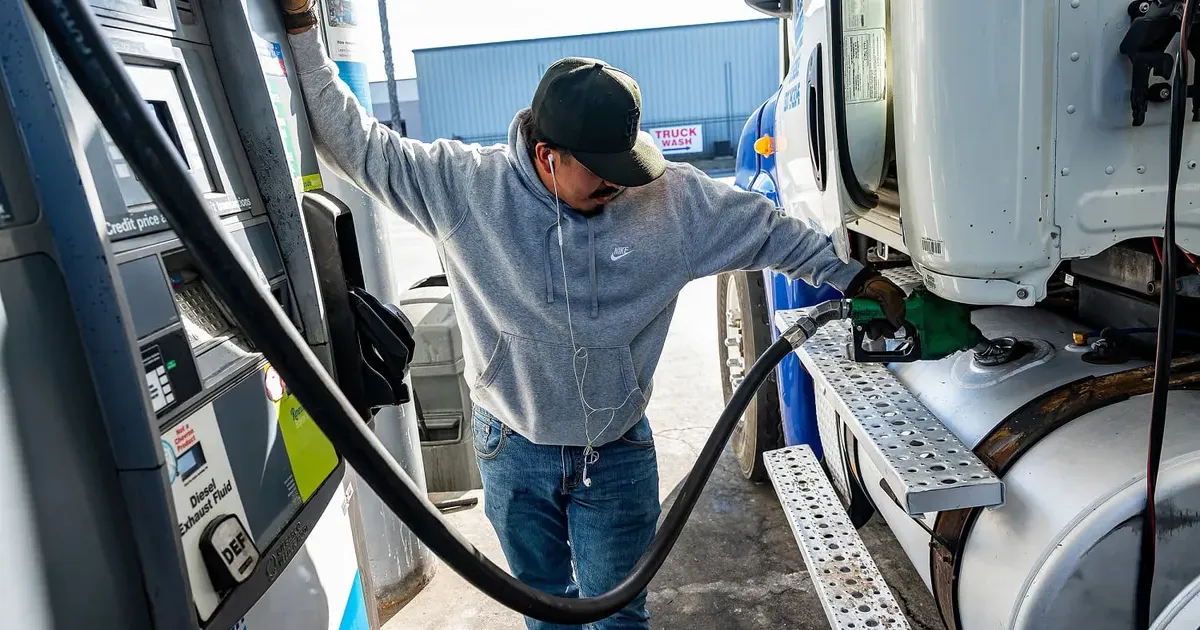
Energy markets reacted violently to the widening conflict between American forces and Iran, which has effectively paralyzed maritime traffic in the world’s most sensitive oil corridor. Iranian authorities retaliated against a series of joint US-Israeli airstrikes by deploying naval assets to obstruct the Strait of Hormuz. On March 31, 2026, the issue moved from background concern into immediate scrutiny.
Washington confirmed that the initial strikes launched one month ago intended to degrade Tehran’s missile capabilities, but the resulting regional instability has now hit American wallets at the pump. National price averages have not occupied this territory since August 2022. Gasoline costs surged by twelve cents in the last week alone.
Markets remain volatile as maritime insurers continue to suspend coverage for tankers attempting to traverse the Persian Gulf. Oil traders in London and New York are pricing in a prolonged disruption to global supplies, pushing Brent crude futures above key psychological thresholds. Iranian officials maintain that any attempt to reopen the shipping lanes by force will meet further resistance. This geopolitical standoff has removed approximately 20% of the world’s daily oil consumption from the active market. Refineries on the Gulf Coast report a sharp decline in incoming crude shipments from the Middle East. Inventories at the Cushing, Oklahoma storage hub fell for the fourth consecutive week.
Persian Gulf Blockade Disrupts Global Energy Flows
Shipping data indicates that dozens of ultra-large crude carriers are currently anchored outside the Gulf of Oman, unwilling to risk Iranian anti-ship missile batteries. Global energy security depends on the free movement of these vessels through a waterway that is only 21 miles wide at its narrowest point. Tehran’s decision to weaponize its geography has forced global logistics firms to reroute tankers around the Cape of Good Hope. Longer voyages add approximately 14 days to delivery schedules and increase fuel costs for the carriers themselves. Export volumes from Saudi Arabia and Iraq have plummeted by half since the blockade began in early March. Satellite imagery shows a meaningful reduction in tanker traffic departing from the Ras Tanura terminal.
Surging oil prices continue to ripple through the global economy because of the war with Iran.
Economic analysts at several major institutions warned that the $4 threshold is merely a precursor to higher figures if the military stalemate persists. NBC News reported that the current price trajectory mimics the early stages of the 1970s energy crisis, though the modern US economy is less reliant on foreign oil than it was fifty years ago. Domestic production in the Permian Basin cannot bridge the immediate gap created by the loss of Persian Gulf imports. Shale producers cite a lack of available drilling rigs and labor shortages as primary obstacles to a rapid supply increase.
Infrastructure constraints prevent the immediate redirection of domestic crude to refineries improved for heavier Middle Eastern grades. Capital expenditure in the oil sector has not kept pace with the rapid escalation of regional hostilities.
Historical Parallels to the Ukraine Conflict
Price levels currently observed across the United States mirror the volatility seen following the Russian invasion of Ukraine. During that 2022 cycle, regular gasoline peaked at a national average of $5.01 per gallon in June before receding as global markets adjusted. Today’s crisis differs because it involves direct military engagement between a superpower and a major oil producer. Russia’s exports were redirected through shadow fleets, but Iran’s tactical control of the Strait of Hormuz creates a physical barrier that sanctions cannot bypass.
CBS News noted that the psychological impact of the $4 mark often leads to immediate shifts in consumer behavior and reduced discretionary spending. Retailers expect a cooling of the labor market if transportation costs continue to climb. Freight carriers have already introduced fuel surcharges on long-haul deliveries.
Inflation data for the first-quarter of 2026 already reflect the rising cost of energy. Previous declines in the Consumer Price Index are being reversed by the sudden spike in petroleum products. Central banks in London and Washington face renewed pressure to maintain high-interest rates to combat these supply-side shocks. Manufacturing costs for plastics and fertilizers, which rely on petrochemical feedstocks, rose by 8% in the last thirty days. Farmers in the American Midwest expressed concern that planting season will be much more expensive than last year. Diesel prices, which impact the entire logistics chain, are currently averaging $4.85 per gallon.
Domestic Economic Pressure Mounts for American Consumers
Commuters in high-cost regions such as California and the Pacific Northwest are already seeing prices exceed $5.50 per gallon at independent stations. New York and Pennsylvania have also reported rapid increases as East Coast refineries struggle to source alternative crude supplies. ABC News identified that the speed of this price hike is what distinguishes it from previous seasonal fluctuations. Historically, gas prices rise in the spring as refineries switch to summer blends, but the Iran war has accelerated this trend beyond historical norms. Public transit usage in major urban centers surged by 12% in the last three weeks.
Ride-sharing services reported a decline in active drivers due to the narrowing profit margins caused by fuel costs. Suburban families are canceling spring break travel plans to compensate for the higher cost of daily commutes.
Emergency measures, including another release from the Strategic Petroleum Reserve, are currently under discussion at the White House. Critics argue that previous releases have left the reserve at its lowest level in decades, limiting the government’s ability to manipulate prices. Oil giants like ExxonMobil and Chevron reported record quarterly profits even as they faced public scrutiny over the pump prices. Corporate executives claim that global market forces, not domestic policy, dictate the cost of a gallon of gas. Political tension is rising in Washington as lawmakers from both parties debate the merits of a federal gas tax holiday. Recent polling indicates that 65% of Americans view energy costs as their primary economic concern heading into the summer months.
Pump Price Pressure
The $4 average gives the Iran war a domestic price tag. Drivers may not follow every military update, but they see the conflict each time a tank refill costs more.
The price also changes political timing. Fuel inflation is visible, frequent and hard for households to ignore, which makes it more damaging than many slower-moving economic indicators.