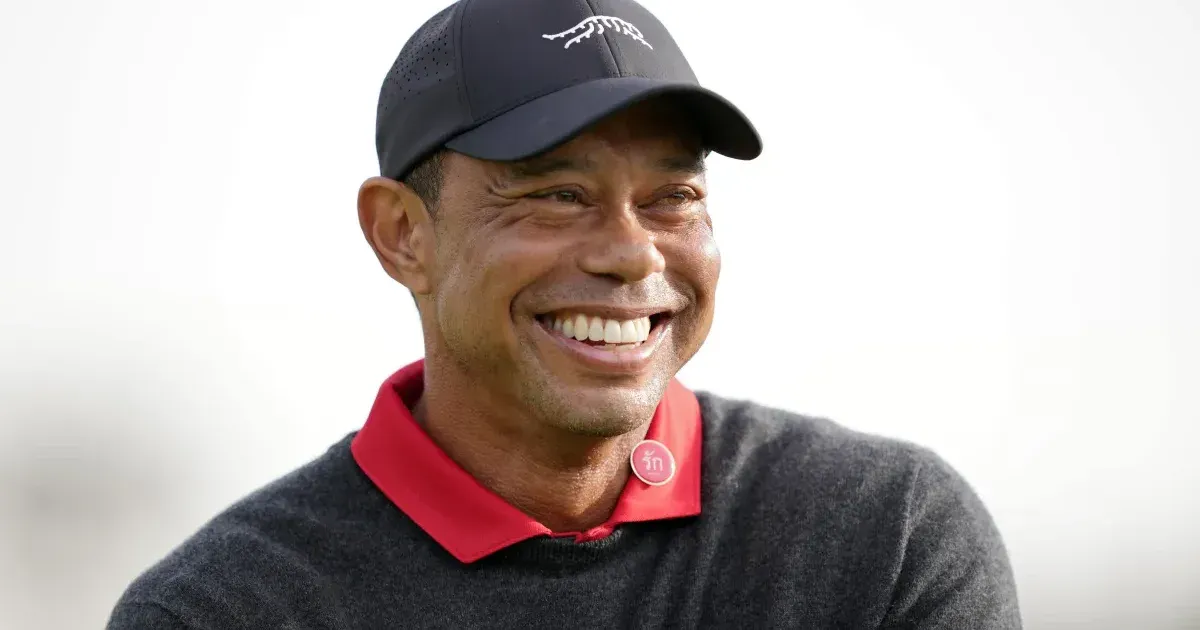
Tiger Woods faced intense scrutiny when a two-vehicle collision in Jupiter Island forced a halt to his preparations for the upcoming golf season. Authorities confirmed the incident occurred on March 27, 2026, involving the golfer and another driver in the affluent Florida enclave where he maintains a primary residence. Initial reports indicate the collision took place on a Friday afternoon, though specific details regarding the cause of the impact have not been released by local law enforcement agencies. The Tiger Woods Involved in Second Major Florida Car Crash report carried a March 31, 2026 time marker for readers following the latest account.
Witnesses at the scene observed emergency responders arriving shortly after the call was logged by the Jupiter Island Police Department. While emergency crews assessed both drivers at the site, the professional golf community quickly pivoted toward concerns regarding the physical condition of the fifteen-time major champion. Woods has undergone multiple spinal surgeries and a complex reconstruction of his right leg over the past several years, making any further trauma to his lower extremities a matter of professional survival.
Local police have cordoned off the investigation area, citing the privacy requirements of the residential district. No citations were issued at the immediate scene of the accident, but investigators continue to review vehicular data from both cars involved in the impact. This collision marks the second notable traffic incident for the golfer in his home state of Florida since his widely publicized single-car crash in 2009.
Jupiter Island Police Department Traffic Investigation
Officers assigned to the case are currently evaluating whether speed or mechanical failure contributed to the two-vehicle strike. Florida Highway Patrol records indicate that the roads in Jupiter Island were dry at the time of the event, ruling out inclement weather as a primary factor in the loss of control or failure to yield. Documentation from the scene suggests that both vehicles sustained clear front-end damage, which points to a high-energy exchange between the two chassis.
Departmental spokespersons refused to comment on the toxicology or sobriety testing of either operator, noting that standard procedures remain in effect for all multi-vehicle accidents involving property damage or potential injury. Legal experts in Palm Beach County suggest that the absence of immediate arrests indicates a complex set of circumstances that require a full reconstruction of the event. Data from the onboard computers of the luxury SUV Woods was operating will likely determine the braking patterns and acceleration rates prior to the point of contact.
Public interest has surged as the investigation moves into its fifth day without a formal statement from the Woods camp. Silence from the athlete typically precedes a period of medical evaluation, as seen in his previous recoveries from orthopedic procedures. Investigators have contacted the driver of the second vehicle, though that individual has chosen to remain anonymous through legal counsel while the insurance claims process begins.
Physical Recovery Challenges and Surgical History
Golf analysts are focusing on the durability of the golfer's right ankle, which was previously fused to address chronic pain following his 2021 rollover accident in California. A second major impact to a body already stabilized by titanium rods and screws presents a unique challenge for sports medicine specialists. Dr. James Andrews, though not treating Woods in this instance, has frequently commented on the compounding nature of repetitive trauma in elite athletes who have surpassed the age of 45.
Muscle memory and physical therapy routines have allowed Woods to return to competition in a limited capacity over the last two years. A new trauma to the lower body could potentially undo the progress made in his gait and swing speed. Records from previous hospitalizations show that his recovery cycles have lengthened with each successive injury, suggesting that the window for a competitive return is closing rapidly. His ability to walk the undulating terrain of a golf course is the primary hurdle for his continued participation in the professional circuit.
Medical professionals emphasize that even minor collisions can cause notable whiplash or soft-tissue damage that disrupts the delicate balance of a fused spine. Woods had previously noted that his back required daily maintenance just to participate in practice sessions. The structural integrity of his lower lumbar region has been the subject of intense speculation among sports fans since his 2017 fusion surgery.
Masters Tournament Eligibility and Future Participation
Augusta National Golf Club officials have not yet commented on the status of the former champion for the 2026 tournament. The Masters, scheduled to begin in less than two weeks, is the centerpiece of the professional golf calendar and the event most closely associated with the legacy of Tiger Woods. If he is forced to withdraw, it would be the first time since his 2021 recovery period that he has missed the tournament due to a fresh traumatic injury.
Speculation regarding his participation has dominated social media platforms and sports talk radio since the news broke. While some sources close to the tournament suggest a placeholder spot is still reserved for him, the physical requirements of walking 72 holes are immense. Historical data shows that Woods prioritizes the Masters over all other professional commitments, often playing through clear discomfort to maintain his presence at the Champions Dinner.
A close friend of the golfer expressed deep concern during an interview with Newsweek, noting that the physical toll of another accident might be the final obstacle to his professional career.
Tournament organizers usually require a definitive commitment from players by the Friday before the event begins. This timeline leaves Woods with less than ten days to prove his fitness to his medical team and the governing body at Augusta National. A failure to appear would leave a notable void in the television ratings and the gate revenue for the year's first major championship.
Woods Recovery Test
The immediate concern is Woods' health, but the longer sports question is whether another crash changes the timeline for tournament appearances and sponsor planning. Golf officials will watch medical updates before making assumptions about the majors.