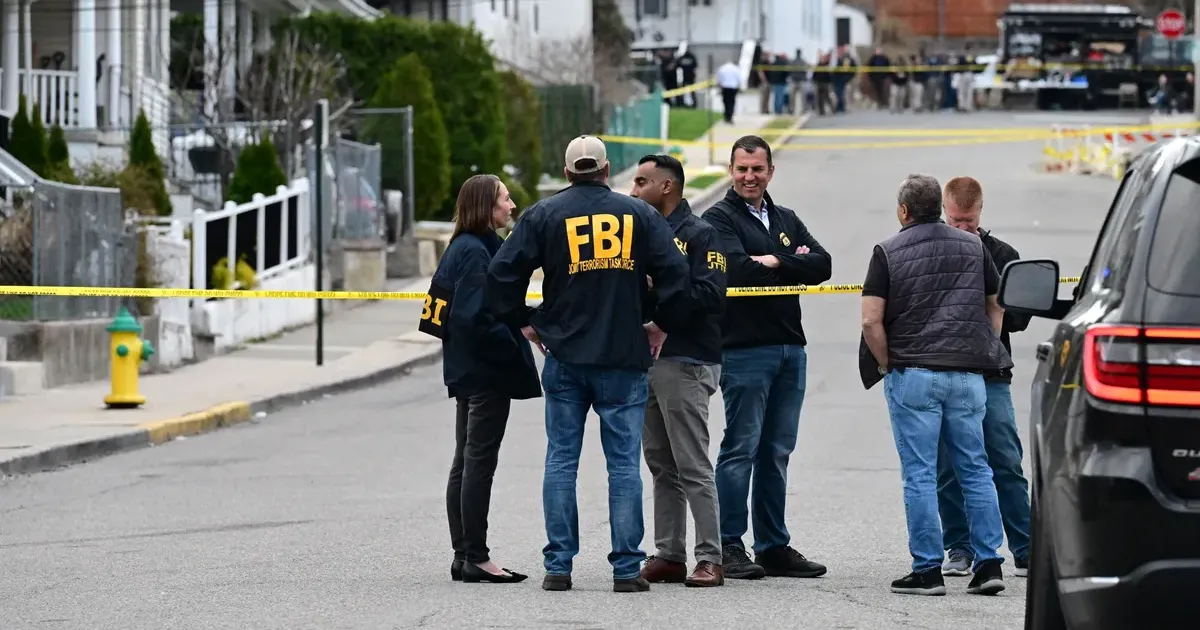
Detection of the unit occurred shortly after daybreak when a maintenance worker noticed a suspicious package positioned against the primary entrance of the multi-unit dwelling. Immediate evacuations followed as specialized bomb disposal units from the Westchester County Police Department established a safety perimeter. Initial assessments confirmed the object was a functional, albeit small, improvised explosive device.
Witnesses within the suburban neighborhood described a series of unsettling events leading up to the discovery. Residents reported hearing two loud booms overnight that rattled windows and disturbed the silence of the tree-lined street. These auditory disturbances were not isolated occurrences according to those living on the block. Several neighbors noted that similar sounds had echoed through the area multiple times over the past month.
"I heard two loud booms overnight, similar to those I heard in the neighborhood in recent weeks," a local resident told reporters at the scene.
Forensic teams concentrated their efforts on the physical components of the recovered device to determine its origin. White Plains investigators are working with federal partners to analyze the chemical composition of the explosive material found inside the canister. While the device was described as small, the potential for structural damage or personal injury was high given its placement at a communal exit. Records indicate that local law enforcement had received prior calls regarding acoustic anomalies in the vicinity, but no physical evidence was recovered until the events of March 31, 2026.
Safety protocols required the temporary displacement of 12 families while the scene was cleared. Search dogs swept the surrounding grounds, including the apartment basement and parking areas, to ensure no secondary devices were hidden nearby. Officers cordoned off the street for over six hours, preventing vehicle traffic from entering the suburban enclave. Residents stood behind yellow tape, watching as technicians in protective suits used remote-controlled robots to manipulate the object.
White Plains Police Forensic Teams Secure Block
Detection and recovery operations concluded by mid-afternoon, allowing the focus to shift toward potential suspects. Surveillance footage from the apartment lobby and adjacent residential security cameras is currently under review by the detective bureau. Investigators are looking for individuals seen on the block during the early morning hours between 2:00 AM and 4:00 AM. $5,000 has been offered as a reward for information leading to an arrest in the case.
Local authorities have not yet identified a specific motive for the placement of the explosive. Property records show the apartment building has no recent history of legal disputes or high-profile evictions that might prompt such an act. Neighbors described the building as a peaceful residence occupied primarily by long-term tenants and young professionals. Every person entering or leaving the street during the timeframe of the booms is being categorized as a person of interest.
Evidence collected from the scene includes fragments of the casing and a possible detonator mechanism. New York state law classifies the possession of such a device as a high-level felony, carrying serious prison time. This particular incident has prompted a wider review of unsolved acoustic complaints across the suburban corridor. Security experts believe the repeated booms mentioned by residents could indicate a pattern of testing before the final device was planted.
Tracking Suburban Improvised Explosive Trends
Regional crime statistics show a slight increase in the use of low-yield pyrotechnics and improvised devices in suburban environments. While major urban centers remain the primary focus of counter-terrorism efforts, smaller jurisdictions often face challenges in monitoring localized threats. Westchester County officials have increased patrols in residential zones in response to the March 31, 2026, discovery. This is the first time a device has been found near a residential doorway in this specific municipality.
Detectives are cross-referencing the White Plains incident with similar reports in neighboring towns. Intelligence sharing between the New York Police Department and suburban agencies has become a priority as investigators look for a common link. Federal agents are assisting in the trace of the materials used to construct the device, looking for recent purchases of black powder or electronic components. The proximity of the device to a residential door suggests an intent to intimidate or cause harm rather than a mere prank.
Technical analysis of the booms reported by residents is also underway. Audio signatures from residential smart-doorbell cameras may help determine the exact locations of the previous explosions. If these sounds were indeed test detonations, they provide a map of the perpetrator's movements over the last several weeks. Analysis of the sound waves suggests the devices were detonated in open spaces like backyards or local parks before the transition to an apartment target.
Psychological profiling of the potential suspect suggests a person with local knowledge and access to basic chemistry. Explosive ordnance disposal experts noted that the construction of the device required more than basic hobbyist knowledge. The placement at a doorway indicates a level of premeditation and a desire for the device to be found or to function at a high-traffic point. Authorities are urging the public to report any unusual chemical odors or suspicious activity in garages or sheds.
Regional Security Response and Public Safety
Public safety officials emphasized that the threat was neutralized before any ignition occurred. Despite the lack of physical injuries, the presence of an explosive on a residential doorstep has fundamentally altered the sense of security on the leafy block. Emergency management teams provided temporary shelter in a nearby community center for the duration of the investigation. Many residents expressed a desire for permanent surveillance upgrades around their building entrances.
Legislators in Albany have started discussions regarding tighter controls on the precursor chemicals used in small-scale explosives. Current regulations often focus on large-volume purchases, leaving a gap where small amounts of volatile materials can be acquired without suspicion. The March 31, 2026, event is being used as a case study for the necessity of localized monitoring systems. Local politicians are calling for a stronger response to the acoustic complaints that preceded the find.
Police departments across the region remain on high alert as the investigation continues into the night. Extra lighting has been installed on the street where the device was found to deter further activity. Patrols will continue at double the standard frequency for the remainder of the month. The apartment building itself has hired a private security firm to monitor the lobby 24 hours a day.
Suburban Security Response
The investigation now depends on whether police can identify motive without overstating the threat. Residents need a clear timeline, but investigators also have to protect forensic work before public details harden into rumor.