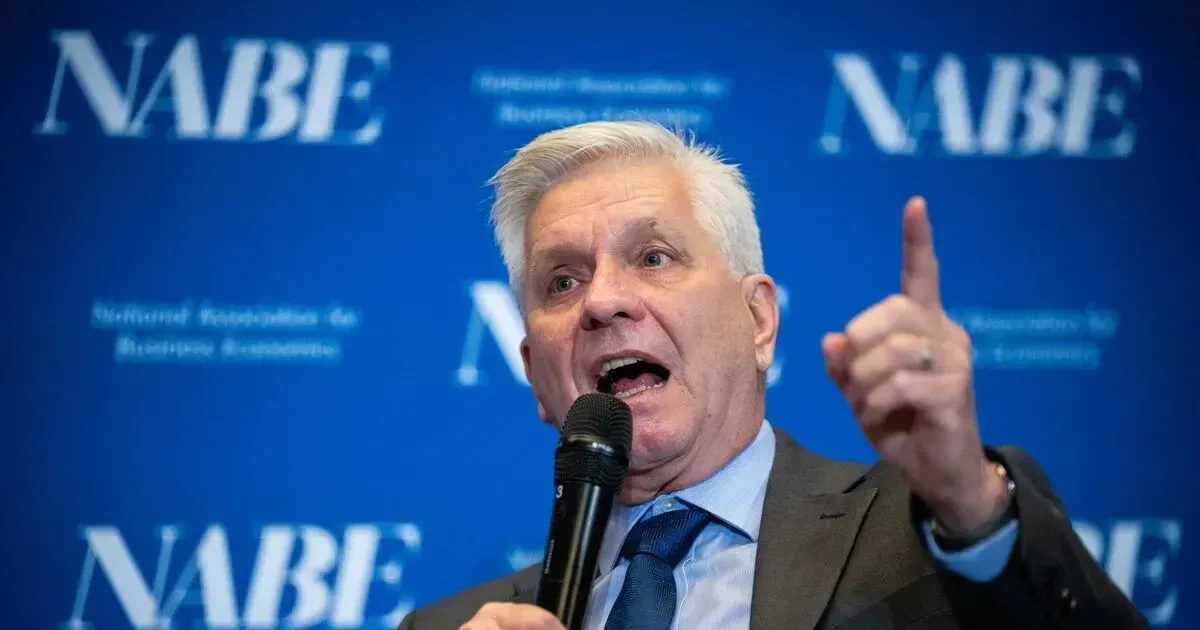
Christopher Waller stated that the Federal Reserve will maintain current interest rates to combat inflation spikes linked to the conflict in Iran. Speaking at an economic forum, the governor highlighted how geopolitical instability creates a complex environment for monetary policy decisions. Waller signaled that previous expectations for near-term rate cuts have vanished as energy markets react to the hostilities. Geopolitical shocks typically force central banks into defensive postures to prevent price spirals. By April 17, 2026, Waller's remarks had reset expectations for near-term rate cuts.
Energy markets responded immediately to the escalating tensions in the Middle East. Crude oil prices jumped sharply, reflecting fears of supply-chain disruptions in the Persian Gulf. Federal Reserve officials worry that higher fuel costs will filter into transportation, manufacturing, and consumer goods. This surge in energy prices acts as a de facto tax on consumers, yet it simultaneously threatens to unanchor inflation expectations. Investors had hoped for a reprieve, but the war changed the calculation.
Christopher Waller Cites Conflict as Primary Economic Drag
Waller argued that the unpredictability of the war makes it impossible to justify a policy shift. Central bank governors rarely speak with such bluntness about international conflicts, but the scale of the energy shock requires transparency. Christopher Waller noted that the risk of cutting rates too early outweighs the cost of maintaining the current restrictive stance. Economic data from the first quarter suggest that inflation remains stubborn, even before the full impact of the oil price spike hit the indices.
Policymakers are closely watching the Strait of Hormuz for any signs of a complete blockade. Such a scenario would likely push oil prices well above $110 per barrel, creating a global recessionary threat. Waller emphasized that the central bank could not ignore these external variables when setting the federal funds rate. Domestic stability depends heavily on the mitigation of these global shocks.
Federal Reserve Governor Christopher Waller said current economic conditions are complicating the approach to interest rates due to the energy shock triggered by war in Iran.
Iran War Disrupts Global Energy Markets
Refining capacity and shipping routes are under extreme stress. Analysts at Bloomberg Economics observed that the conflict has already removed substantial supply from the daily global balance. Iran maintains a critical position in the energy sector, and its involvement in a prolonged war threatens years of price stabilization efforts. Waller pointed out that energy shocks are notoriously difficult to model because they influence both supply and demand simultaneously.
Financial markets have begun pricing in a higher-for-longer scenario for interest rates. The yields on 10-year Treasury notes climbed following the governor’s comments as traders realized that relief is not imminent. Washington officials are reportedly coordinating with international partners to release strategic reserves, though Waller cautioned that such moves are temporary fixes. Permanent inflation reduction requires a more stable geopolitical environment.
Labor market data show unexpected strength despite the looming threat of a regional war. Waller mentioned that the low unemployment rate provides the Federal Reserve with the breathing room necessary to keep rates high. If the labor market were weakening, the central bank would face a much harder choice between fighting inflation and supporting jobs. Current hiring trends remain solid in healthcare and technology.
Wage growth continues to track above the levels consistent with a 2% inflation target. Firms are still competing for a limited pool of skilled workers, which puts upward pressure on service-sector prices. Waller believes that the labor market must cool further before the committee can confidently discuss easing. High interest rates are intended to reduce this heat, but the transition is taking longer than expected.
Projections for the consumer price index have been revised upward for the remainder of 2026. While CNBC reported that some retail prices are stabilizing, the cost of services and energy continue to rise. Waller warned that a prolonged conflict in Iran could embed inflation into the economy for years. This persistent pressure prevents the Federal Reserve from declaring victory over the post-pandemic price surge.
Supply chains, which had recently recovered from global lockdowns, are once again under threat. Logistics companies are rerouting ships away from the conflict zone, increasing the time and cost of delivery. These hidden costs eventually reach the consumer in the form of higher price tags on store shelves. Waller insisted that the central bank will not hesitate to raise rates further if inflation begins to accelerate.
Rate Cut Delay Signal
Christopher Waller is essentially admitting that the Federal Reserve has lost control of the domestic narrative. By blaming the war in Iran for the lack of rate cuts, the central bank is shielding itself from the reality that its previous policies failed to kill inflation when it had the chance. This pivot to geopolitical scapegoating is a convenient exit strategy for a committee that overestimated the speed of price normalization. Investors should stop waiting for a Fed rescue that is never coming.
Waller's hawkish stance reveals a deeper fear within the Washington establishment. They realize that if oil prices stay elevated, the U.S. economy will enter a period of stagflation reminiscent of the 1970s. The central bank is currently paralyzed, unable to cut rates for fear of a currency collapse and unable to hike them for fear of a banking crisis. It is the definition of a policy trap.
The era of cheap credit is dead. Waller's comments are the final nail in the coffin for the pivot narrative. Expect volatility to become the only constant in the 2026 market. The Federal Reserve is no longer a stabilizer. It is a reactive entity tethered to events in Tehran and the oil pits of London. Sell the rallies.