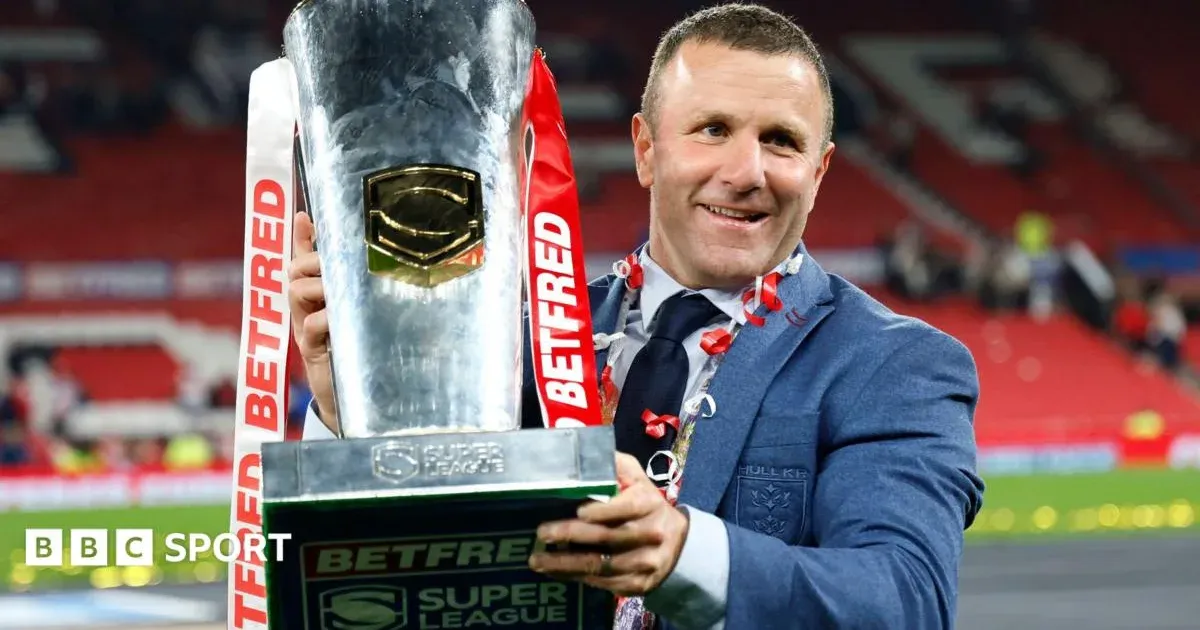
Willie Peters will leave Hull KR at the end of the Super League season, creating a major succession question for the champions. On March 29, 2026, the announcement confirmed that a successful era at Craven Park is entering its final stretch. His exit gives the club months to manage the title defense while preparing for a new coach, and that runway matters because the next appointment has to protect both standards and momentum.
Peters Returns to Australia for Coaching Role
Rumors regarding interest from several Sydney-based clubs had circulated for months before the official announcement. Australia represents the primary allure for Peters, whose reputation grew sharply during his time at Craven Park. National Rugby League franchises often look toward the northern hemisphere for proven leaders, and his success in England provided the necessary credentials. Professional rugby league in the southern hemisphere continues to offer financial incentives and prestige that frequently draw talent away from the European circuit. The coach intends to fulfill his current obligations before flying home in October.
Sky Sports confirmed the departure by noting that the head coach will bring the curtain down on what they described as a historic reign. While BBC Sport focused on the geographical shift, their reporting confirmed the timeline for his exit. Every member of the playing squad received the news during a private briefing at the training ground earlier this morning. Consistency in performance remains the priority for the staff until the final whistle of the Grand Final. Winning a consecutive title would solidify his legacy before he transitions back to the Australian market.
Super League Landscape Shifts After Championship Success
Rival clubs across the Super League are now reassessing their own long-term strategies given this vacancy. Coaching stability often dictates the recruitment of high-profile players, and the uncertainty at Hull Kingston Rovers could impact future transfer negotiations. Tactical shifts pioneered by Peters during the last three years allowed the club to surpass established giants like Wigan and St Helens. His departure might invite a period of transition that competitors will likely attempt to exploit. Squad morale remains high, though the looming changes in leadership naturally creates questions about individual contract extensions.
Rugby league enthusiasts recall the struggle for relevance that defined the club before this era of prosperity. Peters arrived with a vision centered on defensive discipline and clinical finishing, traits that eventually led to silverware. Statistical analysis of his tenure shows a win percentage exceeding sixty percent, a figure rarely achieved in the modern history of the East Hull outfit. Achieving such results required a total overhaul of the scouting department and youth academy structures. These foundations will persist long after the head coach departs for his next role.
Hull KR Board Evaluates Successor Options
Board members have already begun the process of identifying a successor who can build upon the existing culture. Recruitment specialists emphasize the need for a leader who understands the specific pressures of the English game while possessing international experience. Management must decide whether to promote from within or seek a high-profile name from overseas once more. Club chairman Neil Hudgell has a history of making bold appointments that challenge the status quo. Potential candidates from both hemispheres are expected to express interest in one of the most attractive positions in professional sports.
Supporters expressed mixed emotions upon hearing that their leader would not seek a contract extension beyond 2026. Many fans gathered outside the stadium today to discuss the impact of the announcement on the current campaign. Ticket sales for the upcoming home fixture remained strong, suggesting that the faithful will continue to back the team. Peters maintained a strong connection with the local community, often participating in grassroots initiatives and charity events. Maintaining that bond will be a serious challenge for whoever steps into the role next winter.
Strategic Impact on Rugby League Recruitment
Global talent flow in rugby league typically favors the NRL due to higher salary caps and television revenue. Peters moving back to his homeland reflects a broader trend of successful coaches returning to the most competitive league in the world. English clubs find it increasingly difficult to retain elite personnel when Australian interest intensifies. This specific resignation is a case study in the power dynamics that govern the sport on an international scale. Success in the Super League often acts as a springboard for individuals looking to test themselves at the highest possible level.
Preparation for the playoffs continues without interruption despite the major staffing update provided by the front office. Players insist that their focus on the pitch remains absolute as they chase another trophy for the cabinet. Discipline during training sessions has not wavered, and the tactical plan for the next round of fixtures is already in place. Peters spoke briefly to the media about his commitment to the city and the fans during his remaining months. He clarified that his professional focus would not shift until his duties concluded in the autumn.
The current campaign holds the potential for a grand finale that would match the scale of his achievements. Championship rings were distributed to the squad just last week following their previous victory.