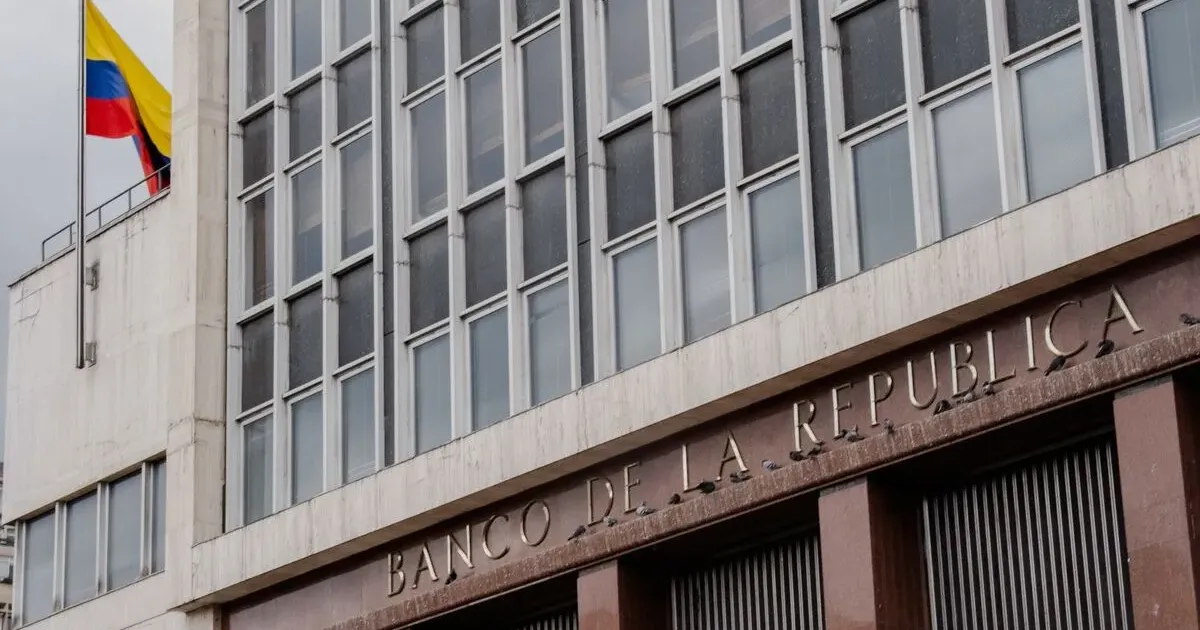
Colombia's central-bank fight did not end when Finance Minister German Avila walked out of the Banco de la Republica board meeting. The walkout made the rupture visible, but the deeper test came afterward: whether BanRep could keep raising or holding rates according to inflation risk without letting every decision become a referendum on President Gustavo Petro's economic agenda.
The March decision was severe. The board lifted the benchmark rate by 100 basis points to 11.25 percent in a split vote, after a January move of the same size had already taken policy from 9.25 percent to 10.25 percent. Avila objected publicly, called the move disconnected from Colombia's social reality and signaled a break in normal government-bank relations. By late June, BanRep had raised again, taking the rate to 12 percent as inflation and demand pressure remained stubborn.
The Walkout Turned Dissent Into a Market Signal
Finance ministers often dislike tight monetary policy. Disagreement itself is not unusual. Higher rates slow credit, housing, consumption and investment, and elected governments feel the pain faster than central bankers do. Avila's protest became larger because it left the room and entered the market.
Once the finance minister withdrew and held his own public line, investors were no longer watching only the rate level. They were watching the institution. Would the board still function? Would future votes follow data or pressure? Would the government treat the bank as a constitutional counterweight or as an obstacle to be delegitimized?
BanRep Chose Inflation Before Comfort
The bank's argument was that inflation credibility had to come first. Colombia was facing stronger demand, elevated inflation expectations and wage-cost pressure after a large minimum-wage increase. In that setting, a central bank that waits for tightening to become painless is usually waiting too long.
The inflation case does not make the political criticism fake. Expensive credit hurts small businesses, borrowers and households already living close to the edge. The problem is that inflation hurts many of the same people through food, rent, transport and the exchange rate. BanRep's task was to show that short-term credit pain was being used to prevent a more durable loss of purchasing power.
The April Hold Bought Process Time
The next meeting mattered because it could either deepen the rupture or restore some sense of procedure. When the bank held the rate at 11.25 percent in April, it gave the system a chance to breathe. That pause did not mean the March hike was reversed. It meant the institution could still move through scheduled meetings instead of only through confrontation.
For markets, the distinction matters. They do not require unanimity. They require a process that can be understood. Split votes, minority dissents and public disagreement are manageable when they are channeled through minutes, statements and predictable calendars. Walkouts and press conferences outside the normal communication sequence are more damaging because they make policy look improvised.
June Showed the Inflation Problem Had Not Gone Away
The later move to 12 percent made clear that the bank's concern was not theatre. Inflation remained above target, core pressure stayed uncomfortable and domestic demand was stronger than officials wanted for a clean disinflation path. The board could not declare credibility restored simply because March's political heat had cooled.
The June decision also sharpened the government's dilemma. If Petro and Avila attacked every hike as anti-growth, they risked making the bank look besieged and the currency more vulnerable. If they accepted the bank's autonomy too quietly, they risked angering supporters who wanted faster growth and cheaper credit. The political incentive and the macroeconomic need pulled in opposite directions.
Central-Bank Independence Has to Be Seen
Independence is not a slogan inside a statute. It is observed in moments when elected officials want a different answer. BanRep's credibility depends on whether households, firms and foreign investors believe the bank can keep policy tight when inflation requires it, even if the decision is unpopular.
Leonardo Villar and the board therefore had to defend more than a rate level. They had to defend the idea that Colombia's inflation target is not negotiable meeting by meeting. If that idea weakens, the country can pay through a softer peso, higher risk premiums and more expensive inflation control later.
The Real Repair Is Boring Procedure
The institutional repair is straightforward: Colombia's rate fight will be repaired by dull habits, not dramatic speeches. Ministers should attend meetings. Votes should be recorded. Statements should explain the economic case. Disagreement should stay inside the board process long enough for investors to see that the institution still works.
Avila's walkout made a legitimate growth complaint visible, but it also raised the cost of every later decision. BanRep's answer has to be steady and repetitive: inflation first, process intact, politics heard but not obeyed. That is uncomfortable. It is also what independence is for.