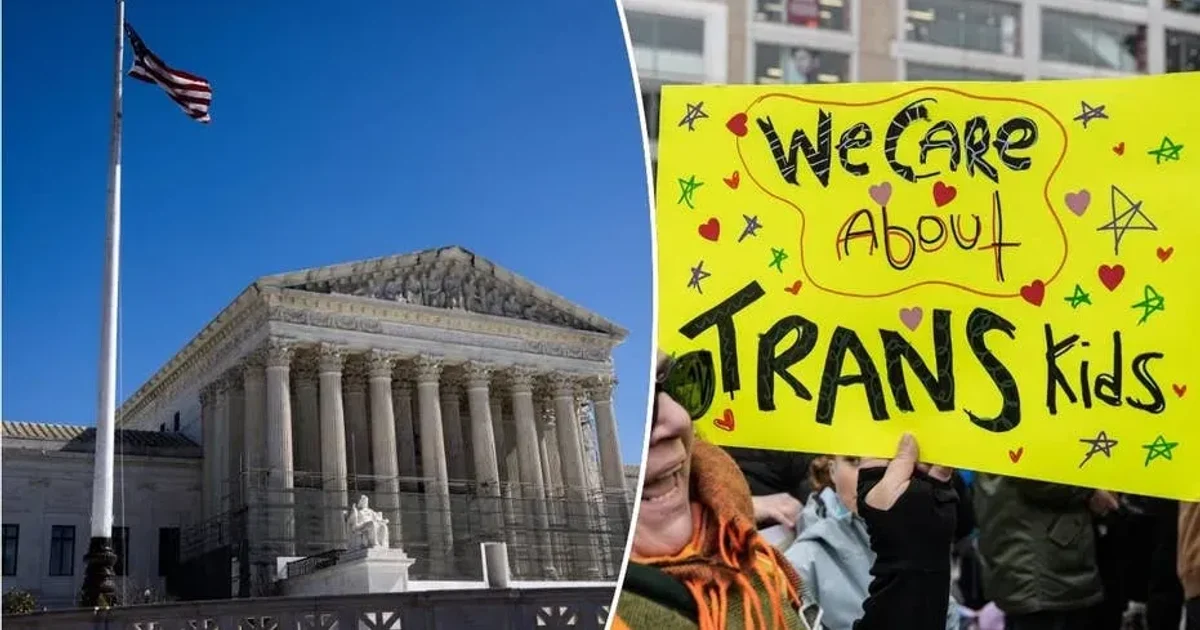
Colorado House lawmakers voted to establish a legal pathway for lawsuits against conversion therapy providers. Legislative action on HB26-1322 occurred less than seventy-two hours after a federal judicial decision restricted the state from enforcing an outright ban on the practice. Democratic lawmakers moved the bill through the lower chamber to bypass the limitations imposed by the judiciary on administrative enforcement. The April 3, 2026, vote came shortly after the high court limited direct enforcement powers. Civil liability is now the primary mechanism for state officials to deter practices they previously sought to criminalize directly through health department regulations.
Passage of the measure allows individuals who underwent efforts to change their sexual orientation or gender identity to seek financial damages from licensed mental health professionals. Liability extends beyond individual practitioners to the organizations that hired or supervised them. Legal standing for these claims can be established years after the therapy concluded, removing typical statutes of limitations that protect medical providers from legacy litigation. Financial exposure for clinics and independent therapists remains a central feature of the new legislative framework. Colorado House Democrats hold a comfortable majority and moved the bill with speed through the committee process.
Judicial tension increased on Tuesday when the Supreme Court issued an 8-1 decision declaring that the original Colorado ban violated the First Amendment. Justices determined that the state cannot prohibit specific types of therapeutic conversations while permitting others based on the viewpoint of the counselor. Legal counsel for the state argued that conversion therapy constitutes professional conduct rather than protected speech. Writing for the majority, the court rejected this distinction, noting that the law favored gender-affirming perspectives while penalizing those seeking change. Justice Elena Kagan notably diverged from her usual allies in a footnote that addressed the intersection of free speech and professional licensing requirements.
Colorado House Passes New Civil Liability Framework
Attorneys general in several western states have monitored the Colorado proceedings as a possible model for legislative workarounds. HB26-1322 shifts the burden of proof to the civil courts, where private citizens act as the enforcement arm of state policy. Proponents argue that the harm caused by these practices justifies an extended window for litigation. Mental health professionals accused of these practices may face bankruptcy from a single successful lawsuit. Insurance providers have already signaled that malpractice premiums for therapists in the state will likely increase to account for the heightened risk environment.
Republican Representative Matt Soper voiced intense opposition during the floor debate, characterizing the timing of the vote as a direct provocation. He suggested that the legislature ignored the spirit of the recent judicial ruling by attempting to achieve through civil litigation what the court forbade through administrative law. Legal experts suggest the move reflects a growing trend of states using civil courts to enforce social policy when federal courts block executive or legislative bans. Soper argued that the legislation undermines the finality of judicial review.
Critics within the GOP caucus pointed to the potential for frivolous lawsuits targeting religious counselors. The language of the bill does not explicitly exempt faith-based counseling if the individual holds a state-issued license. Supporters countered by emphasizing that the bill focuses on the real psychological trauma experienced by minors. Data provided by advocacy groups during committee hearings suggested that survivors of conversion therapy experience higher rates of depression and self-harm. These statistics formed the backbone of the Democratic argument for immediate legislative intervention.
Supreme Court Ruling Limits State Enforcement Powers
Constitutional scholars view the recent 8-1 ruling as a major clarification of the First Amendment rights of licensed professionals. The court found that when the state regulates speech between a doctor and a patient, it must remain neutral regarding the content of that speech. Colorado officials originally claimed that their 2019 ban targeted a medical procedure, but the court classified the sessions as pure speech. The court's classification makes any government restriction subject to strict scrutiny, the highest level of judicial review. State attorneys must prove that a ban is the least restrictive way to achieve a strong government interest.
Democratic leaders in Denver contend that protecting children from medical malpractice is a strong interest that outweighs the speech rights of therapists. House Speaker Julie McCluskie emphasized that the state has a duty to ensure that licensed professionals do not engage in discredited practices. The bill now moves to the state Senate, where a Democratic majority is expected to provide a favorable reception. Governor Jared Polis has historically supported restrictions on conversion therapy and signed the original 2019 ban into law. Public records show that the 2019 law led to zero successful criminal prosecutions before it was challenged in federal court.
Beyond the capitol, professional medical associations have reaffirmed their opposition to conversion efforts. The American Psychological Association and the American Academy of Pediatrics have both issued statements claiming the practice lacks scientific validity. These professional consensus statements often serve as evidence in civil trials to establish the standard of care. HB26-1322 explicitly references these medical standards to define what constitutes a violation of professional duty. Plaintiffs will likely rely on these definitions to prove negligence in upcoming civil filings.
Impact of Civil Claims on Medical Insurance
Financial analysts at regional insurance firms expect a contraction in the market for mental health liability coverage. Small practices may find it impossible to secure affordable policies if they are located in jurisdictions with extended liability windows. The bill allows for the recovery of attorney fees, which encourages law firms to take these cases on a contingency basis. Large healthcare systems in Denver have begun reviewing their internal protocols to ensure no practitioners are offering services that could fall under the bill's broad definition of conversion therapy. Some providers have expressed concern that even traditional talk therapy could be misconstrued as an attempt to change identity.
Voters in Colorado remain divided on the issue according to recent polling data. While a majority supports protecting minors from harmful practices, there is skepticism regarding the use of lawsuits to bypass the Supreme Court. Political strategists believe the bill will become a central theme in the upcoming 2026 midterm elections. Republicans intend to frame the legislation as an example of government overreach and a lack of respect for the rule of law. Democrats plan to emphasize the need to protect vulnerable youth from practices that have been denounced by every major medical body in the country. The legislative battle is likely to return to the federal courts as soon as the first lawsuit is filed under the new statute.
State Senate leaders have scheduled the first committee hearing for the bill next Tuesday. Amendments may be introduced to clarify the definition of harm or to adjust the statute of limitations. Regardless of the final wording, the bill establishes a precedent for how states can navigate a judicial environment that is increasingly protective of First Amendment claims in professional settings. The civil-enforcement strategy mirrors similar moves in other states regarding reproductive rights and firearm regulations. Legislative bodies are finding that the civil court system provides a more resilient venue for policy enforcement than traditional regulatory agencies.
Conversion Therapy Fight Moves to Damages
Colorado Democrats are engaging in a high-stakes gamble that threatens to erode the very concept of judicial finality. By introducing HB26-1322 immediately following an 8-1 Supreme Court defeat, the legislature is doing more than legislating; it is conducting a tactical insurgency against the Roberts Court. The approach transforms the civil justice system into a political weapon, bypassing constitutional safeguards by delegating enforcement to private litigants. It is a mirror image of the tactics used in Texas regarding abortion, proving that procedural radicalism is now a bipartisan tool for avoiding judicial oversight.
Lawmakers are intentionally creating a climate of legal terror for medical professionals. The threat of career-ending lawsuits years after the fact will create a chilling effect that extends far beyond the specific practice of conversion therapy. When the state cannot win on the merits of constitutional law, it resorts to the brute force of financial exhaustion. It is a clear admission that the original ban was legally indefensible. Instead of refining their arguments to meet the First Amendment standards set by the Supreme Court, Colorado is simply changing the name of the cage. Such a blatant disregard for the spirit of the law invites a devastating judicial correction. The state still needs a strategy that can survive review.