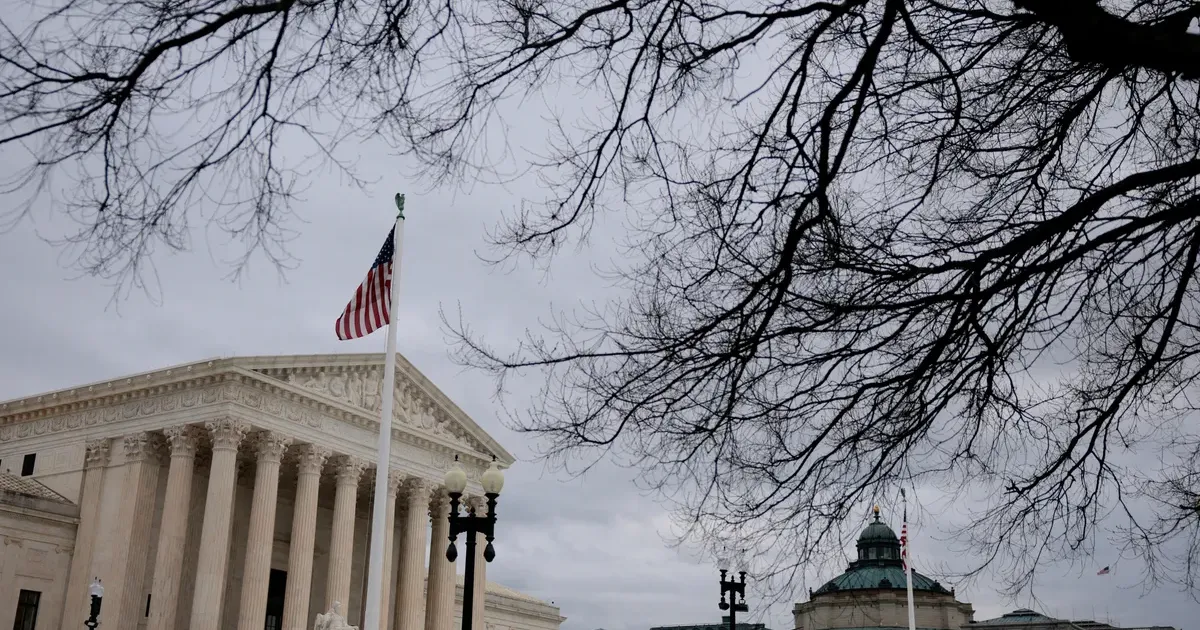
Justice Neil Gorsuch issued a majority opinion striking down Colorado legislation that prohibited therapists from practicing conversion therapy on minors. This legal challenge originated from a conservative Christian counselor who argued the state mandate infringed upon constitutional free speech protections. On March 31, 2026, the ruling gave speech-rights arguments new force in medical-practice disputes. Colorado previously joined a group of over twenty states in restricting such practices, citing concerns over the psychological welfare of L. G. B. T. Q. youth. The high court, however, determined that verbal communication between a therapist and a client constitutes protected speech rather than strictly regulated professional conduct.
Counselors across the nation had watched this case closely as it tested the boundaries of state authority over licensed medical professionals. The ruling effectively halts the enforcement of similar bans in jurisdictions ranging from California to the East Coast.
Colorado lawmakers passed the initial restriction in 2019 to prevent licensed professionals from attempting to change the sexual orientation or gender identity of individuals under age 18. Legislators relied on testimonies from medical associations which identified conversion efforts as ineffective and potentially harmful to minors. California became the first state to implement such a ban in 2012, setting a precedent that many other liberal-leaning states followed. These laws typically focused on licensed mental health practitioners, including psychologists and social workers, while exempting religious leaders acting in a purely clerical capacity.
The Supreme Court has now clarified that even licensed professionals maintain their First Amendment rights when engaging in dialogue with patients. Legal experts suggest this decision may limit how states regulate other forms of talk therapy that intersect with sensitive social issues.
Colorado Professional Practice Restrictions Under Scrutiny
Neil Gorsuch led the majority in a decision that prioritized individual expression over states-defined medical standards. Majority justices found that the government cannot insulate certain topics from professional discussion simply because the consensus of medical boards views those discussions as harmful. Colorado state attorneys argued that the ban focused on the conduct of the procedure instead of the content of the speech. This distinction failed to persuade the conservative majority of the court. Oral arguments revealed deep skepticism regarding whether a state can dictate the specific goals of a private therapeutic relationship. Colorado officials now face the task of reviewing other professional regulations that might be vulnerable to similar First Amendment challenges.
Mental health professionals in Denver and beyond expressed immediate concern regarding the clinical implications of the ruling. Advocates for the ban argue that conversion therapy lacks scientific validity and contributes to higher rates of depression and suicide among L. G. B. T. Q. youth. Professional organizations like the American Psychological Association have long condemned the practice. Despite these medical warnings, the Supreme Court maintained that the constitutional right to speak freely outweighs the state interest in regulating the content of therapeutic sessions. Neil Gorsuch noted that the definition of what constitutes harmful therapy is itself a matter of intense public debate. The decision creates a new legal standard for evaluating state interference in the patient-provider relationship.
First Amendment Protections for Christian Counselors
Religious liberty groups celebrated the verdict as a triumph for counselors who integrate their faith into their professional practice. Many conservative therapists believe that state bans forced them to choose between their professional licenses and their deeply held religious convictions. Neil Gorsuch addressed this tension by highlighting the importance of maintaining an open marketplace of ideas, even in specialized professional settings. The ruling suggests that as long as the therapy consists of speech, it receives the highest level of constitutional protection.
California and other states with similar bans must now decide whether to repeal their laws or attempt to narrow them to survive judicial review. The Supreme Court ruling does not address physical treatments, focusing exclusively on the verbal aspects of counseling.
“We do not doubt that the question ‘how best to help minors’ struggling with issues of gender identity or sexual orientation is presently a subject of ‘fierce public debate,'” Justice Neil Gorsuch wrote for the majority.
Legal analysts point out that this case mirrors previous disputes over professional speech, such as those involving crisis pregnancy centers. The court continues to move toward a more expansive interpretation of the First Amendment that limits the regulatory power of professional boards. California officials noted that their state ban was the result of years of legislative work and victim testimony. Colorado faces a similar reality as its primary mechanism for protecting L. G. B. T. Q. minors from these practices is dismantled. Opponents of the ruling argue that it treats medical treatment as if it was a political stump speech.
The Supreme Court majority rejected this view, asserting that the professional nature of the speaker does not diminish their right to speak.
National Implications for LGBTQ Minor Protections
The impact of the decision extends far beyond the borders of Colorado. Over 20 states currently have active bans on conversion therapy that are now likely unenforceable. California, New Jersey, and Illinois are among the states where youth protections are most directly threatened by this precedent. Neil Gorsuch and the majority have essentially shifted the burden of vetting therapeutic practices from the state to the individual consumer or parent. This shift undermines decades of effort by L. G. B. T. Q. advocates to establish conversion therapy as a form of consumer fraud.
The Supreme Court has effectively told states that they cannot protect minors by silencing certain viewpoints in the therapist's office. Colorado will no longer be able to discipline therapists who offer these controversial services to minors.
Questions regarding the safety of vulnerable youth persist as states lose their primary tool for regulating these interactions. Advocates for the L. G. B. T. Q. community fear that the ruling will lead to a resurgence of practices that many had considered relics of the past. The Supreme Court's focus on speech rights ignores the power imbalance inherent in the relationship between a therapist and a child. California legislators are already discussing alternative ways to protect youth, such as consumer protection laws that do not rely on speech restrictions.
Colorado may look to similar avenues to reduce the effects of the ruling. The legal battle over the rights of minors versus the rights of professionals is entering a new phase. Neil Gorsuch has signaled that the court remains a powerful obstacle to state-led social engineering.
Legal Aftermath for State Regulators
The ruling forces states to redraw the boundary between professional conduct and protected speech. Legislatures can still regulate medical practice, but they now face a higher burden when counseling rules are framed around what therapists may say.
The health-policy dispute will continue outside court. Medical groups remain opposed to conversion therapy, while religious-liberty advocates will use the decision to challenge similar restrictions in other states.