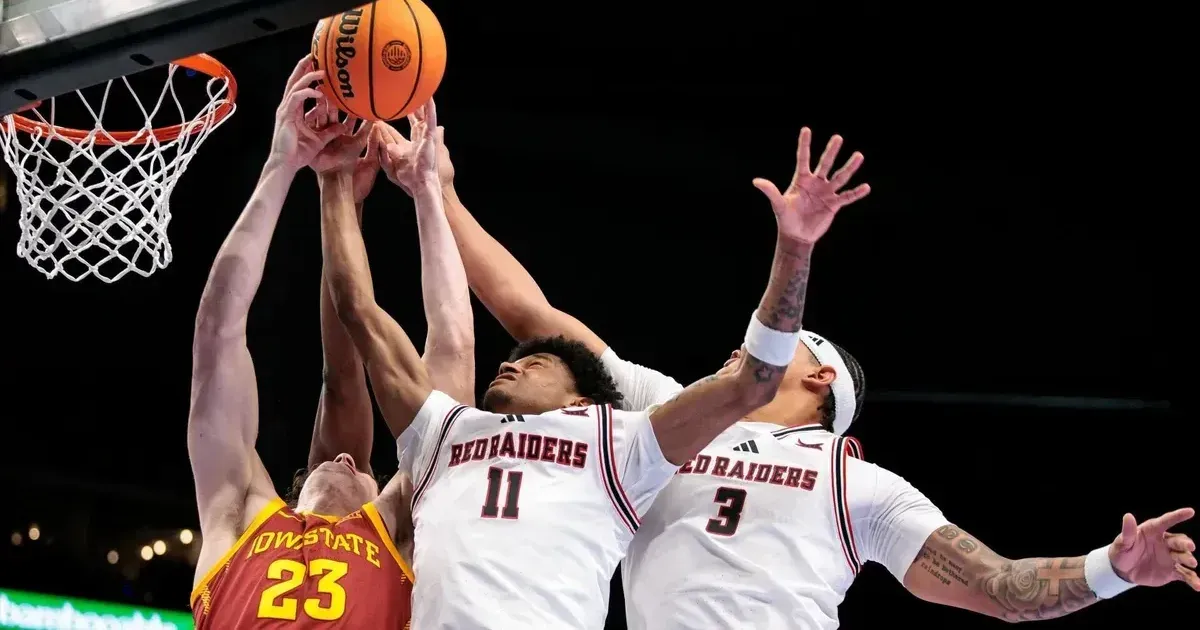
Computer models from several leading sports firms forecasted specific 2026 Tournament upsets during the early hours of Wednesday. Both SportsLine and ESPN analysts released their final data sets just as millions of American office workers finalized their betting entries. Statistical engines now dictate the flow of capital and viewership in a way human scouts cannot replicate. Fans across the United States poured billions of dollars into gambling pools before the first tip-off in Dayton.
Bracket models have become part of how fans judge risk before the first full round. Professional gamblers have increasingly abandoned traditional intuition for these massive data simulations. SportsLine, a leader in sports projection technology, completed 10,000 simulations of the entire bracket to identify the most probable path to the Final Four. The model gained national attention after correctly identifying twelve of the Sweet 16 participants during the previous season. Its current output suggests a high probability of disruption in the early rounds. Meanwhile, human expertise still attempts to compete with the sheer volume of algorithmic processing. ESPN provided a contrasting human-centric guide for every team in the 68-team field. This manual approach relies on individual matchups and coaching pedigree rather than raw probability distributions. Discrepancies between these two methodologies create the volatility that defines the month of March in collegiate athletics.
SportsLine Simulation Data and Upset Potential
Mathematical rigor underpins the latest forecasts for the NCAA tournament. SportsLine experts noted that their advanced model has identified exactly 25 double-digit seed upsets in the first round over its operating history. These are not mere guesses, because the model weighs offensive efficiency against defensive rebounding rates in every possible configuration. The simulation accounts for injury reports, travel fatigue, and historical performance at neutral sites. The model frequently highlights the vulnerability of fifth-seeded teams facing twelfth seeds. Historically, this specific matchup yields at least one upset nearly every year. Data points from the latest 10,000 simulations indicate that two such upsets are highly likely in the 2026 bracket. Betting markets have already adjusted their lines in response to these digital projections.
Still, the reliance on past data assumes that future performance will mirror previous trends. Skepticism remains among the old guard of basketball coaching who believe that heart and chemistry cannot be quantified. Reliability in these models is measured by the frequency of success rather than the perfection of every pick. The SportsLine model focuses on maximizing the mathematical edge over the course of the tournament.
ESPN Bracketologist Evaluates Team Ceiling
In fact, human analysts argue that the intangibles of collegiate sports often override the numbers. Joe Lunardi and his peers at ESPN analyzed the ceiling of every team in the tournament to provide a more descriptive outlook. They look for players who can create their own shots when a defensive scheme breaks down. A computer might see a high shooting percentage, but a scout sees the difficulty of the shot itself. By contrast, the ESPN guide suggests that certain top-seeded teams are overrated by the computers. Analysts pointed to specific weaknesses in late-game execution that often lead to early exits. One major program has consistently underperformed its analytical projections due to a lack of veteran leadership. The ESPN report stated that such factors are difficult to capture in a simulation of 10,000 runs.
Winning a championship requires six consecutive victories under extreme pressure. Coaching adjustments during a timeout can negate a week of statistical preparation. Teams with versatile wing defenders often ruin the offensive efficiency ratings that models rely on to predict outcomes. ESPN identified three mid-major teams with the defensive personnel to frustrate power conference giants. The SportsLine model has nailed 25 first-round upsets by double-digit seeds and revealed its optimal NCAA Tournament bracket 2026. Yet, the NCAA has seen a steady rise in the accuracy of predictive software over the last decade. Every year, the gap between the model's top performers and the eventual champions seems to shrink. Talent evaluation has become a hybrid of visual scouting and heavy data analysis. Most professional teams now employ full-time data scientists to interpret these very same college metrics.
March Madness Streaming Changes and Viewership Trends
Separately, the logistics of watching these games have evolved sharply for the 2026 season. Thursday's first-round action features a complex schedule of staggered tip-offs across four different television networks. CBS and Turner Sports continue to share broadcasting rights, but digital streaming has become the primary destination for younger viewers. NCAA officials have pushed for more integration between live betting apps and streaming platforms.
Thursday morning begins with a flurry of games that often decide the fate of most brackets within hours. Network executives expect record-breaking numbers for the early afternoon window as fans watch from mobile devices at work. Top Plus and the March Madness Live app serve as the digital backbone for this national obsession. Streaming quality has improved to handle the surge of millions of concurrent users. For one, the shift toward mobile consumption has changed how advertisers purchase airtime. Commercials are now targeted based on the viewer's location and previous betting history. Mobile users spend an average of four hours per day engaging with tournament content during the first weekend. This shift has forced traditional television producers to adopt a more fast-paced and social-media-friendly broadcast style.
Historical Performance and Statistical Reliability
The fascination with the 2026 Tournament remains the pursuit of the perfect bracket. The goal is mathematically nearly impossible, yet the pursuit drives hundreds of millions of dollars in economic activity. Money flows through official betting partners and casual office pools alike. The SportsLine model provides a baseline of logic for those who feel overwhelmed by the sheer volume of games.
In turn, the 2026 Tournament is a test case for the efficacy of artificial intelligence in sports prediction. Outcomes that align with the 10,000 simulations will strengthen the reputation of quantitative analysis. Failures will be used by traditionalists to argue that the human element remains the deciding factor in sports. Both sides of the debate will have ample evidence by the time the championship game concludes. Even so, the unpredictability of college athletes remains the primary draw for the casual fan. Teams composed of nineteen-year-olds are prone to emotional swings that no computer can fully anticipate. Logic dictates that the higher seed should win, but the history of the NCAA is built on the moments where logic fails. Every simulation is just a guess until the final buzzer sounds.
Why Bracket Models Still Need Human Judgment
Algorithmic domination of the American sports calendar has reduced one of the last bastions of unpredictability to a cold math problem. We are told to trust the 10,000 simulations as if they are gospel, while the NCAA simultaneously cashes checks from the very betting platforms that profit from our statistical obsession. It is a sterile approach to a game that was once defined by its raw, chaotic energy. When a model predicts 25 upsets with clinical precision, the "madness" is effectively manufactured and packaged for consumption.
The ESPN analysts are no better, acting as gatekeepers of an expertise that is gradually irrelevant in the face of raw computing power. We have transformed a collegiate competition into a glorified stress test for server farms and gambling interfaces. Stop pretending that we watch these games for the love of the sport or the student-athlete experience. We watch because we have been conditioned to crave the validation of our brackets and the payout of our parlays. The tragedy of the modern 2026 Tournament is not that the underdogs lose, but that their victories have been priced into the model before they even step onto the court. Real drama cannot be simulated, no matter how many times the computer runs the numbers.