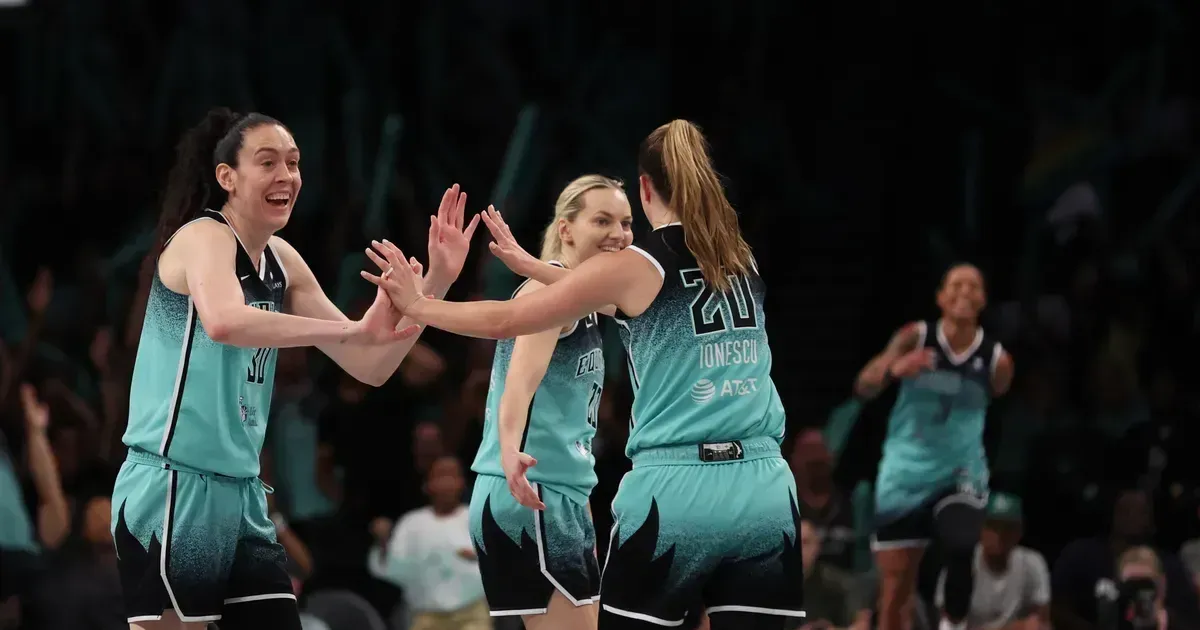
The WNBA's new labor deal changes the scale of player compensation and the structure behind it. Salaries, charter flights and revenue sharing now sit inside the same financial settlement. On March 19, 2026, the preliminary agreement gave players a clearer claim on the league's commercial growth.
Players will now see a direct percentage of every dollar earned through television contracts, jersey patches, and arena naming rights. Professional basketball in the United States has long faced scrutiny for the wage gap between its male and female athletes. This agreement attempts to bridge that chasm by anchoring player pay to the league's soaring commercial path. Financial analysts at various sports agencies spent the morning reviewing the 400-page document before its formal ratification. While Bloomberg reported that some owners expressed hesitation regarding the revenue triggers, Reuters sources confirmed that the Board of Governors is expected to approve the deal by Friday. The economic structure relies on a projected $1.2 billion in media rights revenue over the next five years.
Base salaries across the league will jump by 45 percent immediately upon the start of the 2026 season. Rookie scale contracts for top-three draft picks will finally cross the six-figure threshold. This shift removes the financial necessity for many players to compete in European or Turkish leagues during the winter months. Performance bonuses for the Most Valuable Player and Defensive Player of the Year awards will also see significant increases. Yet, the most significant change involves the hard cap on team spending.
League Revenue Share
Franchise owners now have the flexibility to offer multi-year extensions that include guaranteed money for veterans with more than six years of service. Previous iterations of the CBA often left middle-tier players with little leverage during free agency. These new provisions ensure that roster stability becomes a priority for general managers across the twelve current franchises. In fact, the minimum salary for players with zero to two years of experience will rise to $85,000. This baseline provides a livable wage in high-cost markets like New York and Los Angeles.
The financial field of this league has been permanently altered by the players who demanded their fair share of a growing pie.
According to union representatives, the goal was to protect the bottom half of the roster while rewarding the stars who drive ticket sales. Luxury tax thresholds have been adjusted upward to accommodate these higher payrolls. Individual player marketing agreements will no longer be deducted from team salary caps under specific conditions. This allows brands to sign athletes to lucrative endorsement deals without penalizing the team's ability to sign other talent. Breanna Stewart and other high-profile stars have long advocated for this separation of private income and team constraints. The league office believes this will encourage more domestic marketing activity. Basketball-related income, or BRI, remains the central pillar of the new revenue-sharing mechanism. Unlike the previous model which required the league to hit specific growth targets before players shared in the surplus, the 2026 deal implements a 50-50 split of all incremental revenue. Every new sponsorship deal signed by the league office now carries an immediate and tangible benefit for the players. League officials expect this to encourage a more collaborative environment between the front office and the union.
Salary Ceiling Moves Higher
But the inclusion of expansion fees in the revenue pool is still a point of contention for some legacy owners. Two new teams in Golden State and Toronto paid hundreds of millions to join the league. Players successfully argued that these fees represent the increased value of the brand they helped build. A compromise was reached where a portion of these entry fees will be funneled into the league-wide pension fund. The retirement security was a non-negotiable item for the union's veteran leadership. By contrast, the league has maintained control over the scheduling and length of the regular season. Owners wanted 44 games to maximize gate receipts and television inventory. Players agreed to the expanded schedule in exchange for the mandatory use of chartered flights for all travel. The perk had been a point of friction for years due to the physical toll of commercial travel on professional athletes. Teams must now budget an additional $4 million annually for private aviation. Health benefits have been expanded to include comprehensive family planning and fertility coverage.
Charter Flights Become Standard
Retired players with at least five years of service will now have access to a new health insurance subsidy. These quality-of-life improvements took precedence over pure salary gains in several rounds of voting. The rank-and-file membership indicated that long-term security mattered as much as the annual paycheck. After ratification, approval by the Board of Governors and the players union will trigger an immediate opening of the free agency window. General managers have been operating in a state of paralysis while waiting for the final salary cap numbers. The delay has created a backlog of more than 50 unsigned free agents. New York Liberty executives are reportedly ready to offer maximum extensions to their core starters as soon as the ink is dry. Meanwhile, the trade market is expected to become hyperactive as teams scramble to shed salary or acquire veterans. Several franchises find themselves over the new luxury tax apron despite the cap increase. These teams must move assets before the official start of the league year in April.
Scouts have noted that the 2026 draft class is particularly deep, increasing the value of first-round picks. Teams looking to rebuild are hoarding these selections while contenders are selling them for immediate help. Separately, the league's international scouting departments are monitoring how the new CBA affects overseas recruitment. Higher domestic salaries make the WNBA a more attractive destination for top European talent who previously stayed home for better pay. Several stars from the Spanish and French leagues have already expressed interest in making the jump to North America. The influx of global talent could further elevate the quality of play on the court.
Owner Approval Still Pending
Coaching salaries are not governed by the CBA, but they are expected to rise in tandem with player pay. Ownership groups are realizing that elite tactical minds require competitive compensation to stay in the women's game. Several high-profile college coaches have been linked to vacant WNBA positions in recent weeks. The financial stability of the league makes these roles more prestigious than ever before. Free agency speculation regarding the Liberty's roster moves dominated the conversation at the league's winter meetings in Florida. Management in New York has cleared significant space to retain their championship-winning core. They face the challenge of balancing the requirements of three different max-level players. The new CBA allows for a third designated player slot, which provides New York with an essential tool for retention. The specific provision was widely dubbed the Liberty Rule during negotiations. Even so, rival teams in Las Vegas and Connecticut are preparing aggressive offers for any disgruntled starters.
The parity in the league could be threatened if a few franchises manage to stack their rosters with multiple superstars. League officials have included new hard-cap triggers to prevent the formation of super-teams that might stifle competition. These triggers penalize teams that exceed the cap by more than 20 percent through restricted mid-level exceptions. For one, the increased salary transparency will change how agents negotiate with front offices. Agents now have access to real-time league revenue data to verify that their clients are receiving the correct share.
Why the WNBA Deal Changes the Power Balance
The new labor deal is not charity from enlightened owners. It is a delayed correction forced by players who finally had enough commercial leverage to demand a share of the product they create. The WNBA has spent years selling growth stories while too many athletes still had to supplement their income overseas. That contradiction could not survive the league’s new visibility.
The risk now sits with ownership. If owners accept the television money, expansion fees and sponsorship surge while resisting player participation in that upside, they expose the old bargain as exploitative. The players are no longer asking to be included in the league’s future; they are making clear that there is no future without them. This deal does not solve every inequity in women’s basketball, but it does move the argument from gratitude to power.