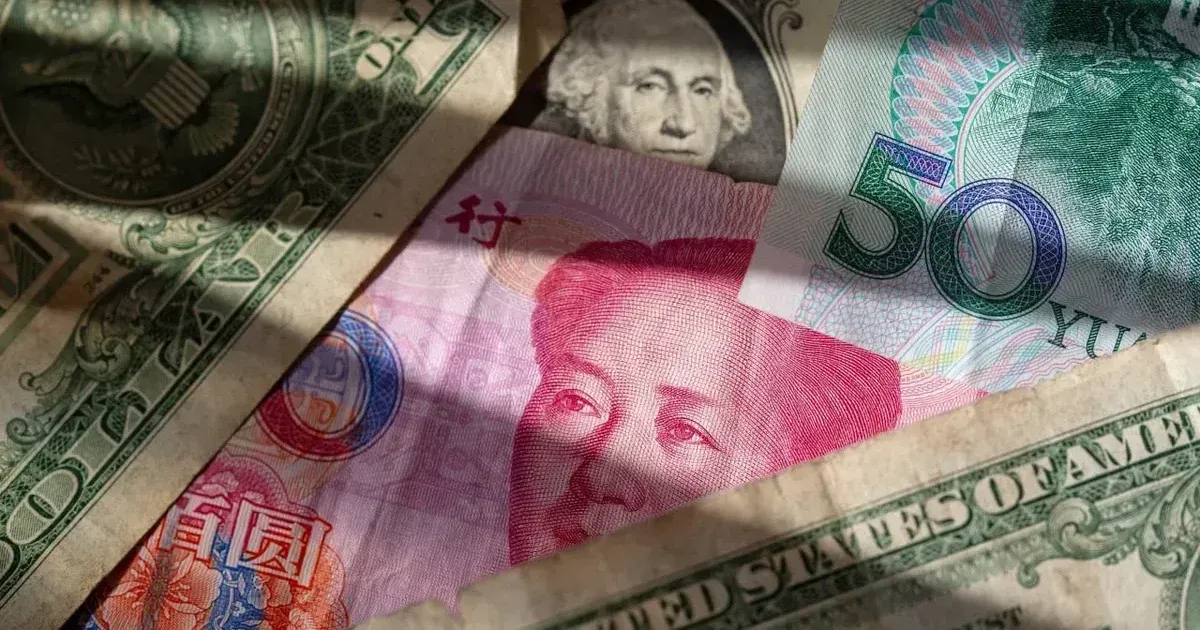
Congressional experts warned that the greatest risk to dollar power may come from U.S. policy choices rather than foreign competition alone. The warning came on April 17, 2026, as lawmakers debated debt, spending and the credibility costs of repeated brinkmanship. The hearing did not treat reserve-currency status as a permanent entitlement. Witnesses framed dollar dominance as a privilege that depends on trust, fiscal credibility, institutional stability and predictable rulemaking. Dollar dominance gives Washington cheaper financing, sanctions leverage and a central role in global payments. That power is valuable because markets believe the U.S. system is deep, liquid and governed by rules.
Domestic Choices Become Currency Risk
Witnesses told lawmakers that debt fights, abrupt policy shifts, politicized institutions and reckless financial brinkmanship can make foreign investors question whether the dollar's advantages are being taken for granted. China and other countries have incentives to reduce reliance on the dollar, but building a replacement is hard. The larger near-term risk is gradual diversification if investors decide the U.S. is becoming less predictable. U.S. Congress sits at the center of that risk because fiscal standoffs and debt-limit confrontations are political decisions with market consequences.
Reserve Status Can Erode Slowly
Dollar dominance is often discussed as if it rests only on the lack of a strong alternative. That is part of the story, but it can create complacency. Markets can diversify gradually because the current system starts to look less reliable. The dollar's network effects remain powerful. Trade invoicing, reserves, payments and Treasury markets cannot be rebuilt overnight. Still, network effects weaken if users begin building backup systems and treating dollar exposure as a risk to manage. The warning also applies to sanctions policy. Aggressive or unpredictable use of dollar leverage can encourage countries to look for workarounds, even if those alternatives remain imperfect.
Trust Is the Real Reserve Asset
The dollar does not need to collapse for Washington to lose influence. Even a slow erosion of demand for Treasury securities or dollar settlement could raise borrowing costs and weaken sanctions power. Experts urged lawmakers to treat credibility as infrastructure. It is not visible like a bridge, but it supports nearly every part of the financial system. Fiscal credibility is another pillar. Treasury markets remain the deepest in the world because investors believe the United States will pay on time and preserve institutional continuity.
Policy Discipline Matters
The hearing's message was direct: foreign rivals matter, but the United States remains the main steward of the dollar's future. If it damages that trust itself, no competitor needs to deliver the first blow. Reserve-currency power is maintained through repeated signals: budgets that can be financed, courts that are trusted, data that is credible and institutions that can resolve disputes without threatening default. The warning came on April 17, 2026, at a moment when lawmakers were again debating debt, spending and the long-term cost of political brinkmanship. Experts used the hearing to argue that reserve-currency power is not a trophy the United States won once; it is a relationship with global markets that has to be maintained. The strongest rival to the dollar is not necessarily another currency. It can be doubt. If investors begin to believe that U.S. politics is less capable of managing debt, honoring obligations or preserving institutional independence, they do not need to abandon the dollar all at once. They can diversify at the margins.
That slow diversification is harder to dramatize than a sudden currency crisis, but it is more plausible. Central banks, companies and sovereign funds can gradually adjust reserves, settlement options and hedging practices without announcing a break.
The hearing therefore pushed lawmakers to think in terms of cumulative damage. Every reckless fiscal standoff may pass, but each one asks markets to tolerate a little more political risk.
The dollar's position is often described as if it were protected by inertia. Inertia helps, but it is not the same as invulnerability. Reserve managers, companies and governments do not need a perfect alternative to reduce exposure gradually.
That is why domestic policy matters. Debt-limit fights, shutdown threats, politicized institutions and sudden regulatory changes all tell global markets something about the reliability of the system behind the currency.
China, digital currencies and alternative payment networks are part of the story, but witnesses emphasized that the United States can weaken itself faster than rivals can replace it. Trust lost through domestic instability is difficult to rebuild because it changes how investors assess future risk.
Sanctions policy also requires discipline. Dollar-based sanctions are powerful because the dollar is central. If Washington uses that power unpredictably, it gives other countries incentives to build workarounds even when those workarounds are inefficient.
The hearing did not predict collapse. It warned about erosion. A reserve currency can remain dominant while becoming slightly less preferred, slightly more hedged against and slightly less useful as a tool of influence. Over time, those small shifts matter.