Retail analysts on April 4, 2026, identified a meaningful shift toward automated pellet technology in the premium outdoor cooking sector. Backyard Smoker Market data suggest a transition from labor-intensive charcoal management to digital systems. Manufacturers like Traeger and Weber now compete for dominance by integrating wireless connectivity and advanced thermal regulation into their flagship units. Projections from industry insiders indicate that the backyard smoker market will reach $11 billion in global annual revenue by the end of this fiscal cycle.
Consumers prioritize ease of use without sacrificing the chemical reaction known as the Maillard effect. Modern engineering allows a Traeger Woodridge Pro to maintain precise temperatures within a five-degree variance. Proportional-Integral-Derivative controllers regulate the flow of hardwood pellets into the firepot. These sensors constantly monitor external ambient conditions and adjust internal combustion rates. Consistency is the primary selling point for high-volume units designed for enthusiasts who cook over eighteen-hour cycles.
Capacity requirements have grown alongside the popularity of large-format proteins like Wagyu brisket. Most premium smokers provide at least 700 square inches of cooking space. Traeger Woodridge Pro models offer 970 square inches, accommodating multiple meat racks simultaneously. Double-walled insulation prevents heat loss during winter months, particularly in Northern European and North American climates. Efficiency in pellet consumption remains a critical metric for buyers evaluating long-term operational costs.
Engineering Innovations in Pellet Delivery Systems
Mechanical reliability often dictates the lifespan of a modern pellet grill. Auger systems must move wood pellets from the storage hopper to the heat source without jamming. Hardened steel components in the drive assembly prevent mechanical failure during high-heat operations. Software integration allows users to monitor internal meat probes through cloud-based applications on mobile devices. Remote adjustments to smoke intensity levels are now standard in the 500-dollar-plus price bracket.
The best BBQ smokers seal in heat and flavor, plus are durable enough to survive being left outside, said Owen Burke of Business Insider.
Airflow design determines the uniformity of smoke distribution across the cooking chamber. Designers use convection patterns to ensure that the protein receives equal exposure from all angles. Portability remains a secondary consideration for large units weighing over 150 pounds. Heavy-duty casters and reinforced frames allow for movement across uneven patio surfaces. Porcelain-coated grates enable easier cleaning after fat rendering completes.
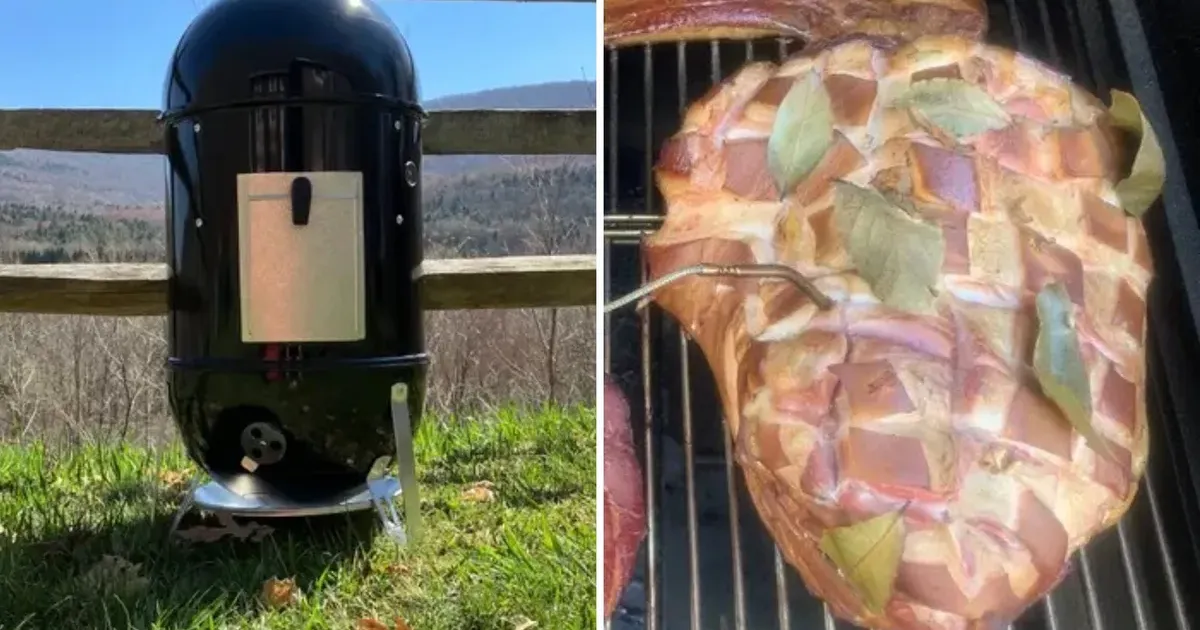
Buyers often distinguish between flavor profiles produced by different fuel sources. Pellet grills use compressed sawdust, which provides a clean, consistent smoke. Traditionalists, however, argue that the combustion of lump charcoal yields a more complex chemical signature. Weber continues to cater to this segment with the Smokey Mountain line. These vertical water smokers rely on a deep charcoal basin and adjustable air dampers to maintain low and slow conditions.
Durability Standards and Material Science in Weber Designs
Porcelain-enameled steel is the hallmark of Weber manufacturing processes. This coating prevents rust and resists the corrosive effects of extreme heat over decades of use. Simplicity in design reduces the number of potential failure points in charcoal-based systems. Smaller units like the 18-inch Smokey Mountain occupy less square footage while maintaining high thermal mass. Vertical orientation allows heat to rise naturally through the water pan, creating a humid environment that prevents meat from drying out.
Economic factors drive the popularity of entry-level charcoal grills. A standard Weber Kettle provides versatility for both direct-heat grilling and indirect-heat smoking. Airflow management in these units requires manual intervention through top and bottom vents. Experienced users manipulate these dampers to create specific oxygen levels for fuel combustion. Accuracy in temperature control depends largely on the skill of the operator rather than digital automation.
Material thickness affects the ability of a smoker to retain heat. Cheap, thin-gauge steel allows energy to radiate away from the cooking chamber, requiring more fuel. Professional-grade offset smokers often use quarter-inch thick carbon steel for superior heat retention. Mass-market manufacturers compromise with double-walled construction to achieve similar results at a lower weight. Heat baffles prevent hot spots by directing airflow underneath the drip tray.
Urban Adaptations and Digital Controls for Modern Cooking
Urbanization has created a demand for indoor-friendly smoking solutions. Smoke filtration systems allow the GE Profile Smart Indoor Smoker to operate in kitchens without triggering fire alarms. Active carbon filters capture smoke particles before the air exhausts back into the room. This technology mimics the flavor of outdoor pits through the use of concentrated wood pellets. Digital presets for specific meat types remove the guesswork for novice cooks in high-density housing.
Electric smokers provide an alternative for locations where open flames are prohibited. Masterbuilt designs use a side-loading wood chip system to maintain smoke without opening the main door. Insulated cabinets act like refrigerators in reverse, trapping energy to cook meat efficiently with minimal electricity. Digital control panels allow for timed smoking cycles that automatically transition to a warm setting. Vertical shelving maximizes the surface area for smoking ribs or jerky strips.
Integration with home automation systems is the next frontier for outdoor appliance manufacturers. Voice-activated commands allow users to check internal temperatures without physical contact with the grill. Predictive analytics in the software can estimate the remaining cook time based on the rate of heat penetration into the meat. This shift toward data-driven cooking aligns with broader trends in smart home technology. Reliability in connectivity is now as essential as the quality of the steel.
The Elite Tribune Strategic Analysis
Automation in the pit suggests a terminal decline in the culinary instinct of the modern consumer. While industry leaders champion the convenience of digital sensors, they are simultaneously eroding the fundamental connection between the cook and the fire. The market has moved toward a model where hardware does the thinking, turning an ancient, tactile craft into a mere data entry task. The evolution benefits manufacturers through planned obsolescence of electronic components that will inevitably fail long before a steel kettle rusts through.
Relying on cloud connectivity for a brisket is a strategic vulnerability. A server outage at a company like Traeger could effectively cripple a suburban barbecue, a reality that exposes the fragility of the smart home ecosystem. We are trading the resilience of simple, physics-based cooking for the convenience of an app that monitors moisture levels. The real value is no longer in the flavor, but in the freedom to ignore the food entirely until a notification chirps on a smartphone.
Mastery of fire was once the defining characteristic of human development. Now, it is a subscription service. If you cannot manage a charcoal bed without a PID controller, you are not a pitmaster; you are a technician operating a wood-fired oven. The industry is betting on your laziness, and so far, that bet is paying off in billions. Efficiency is the enemy of soul.