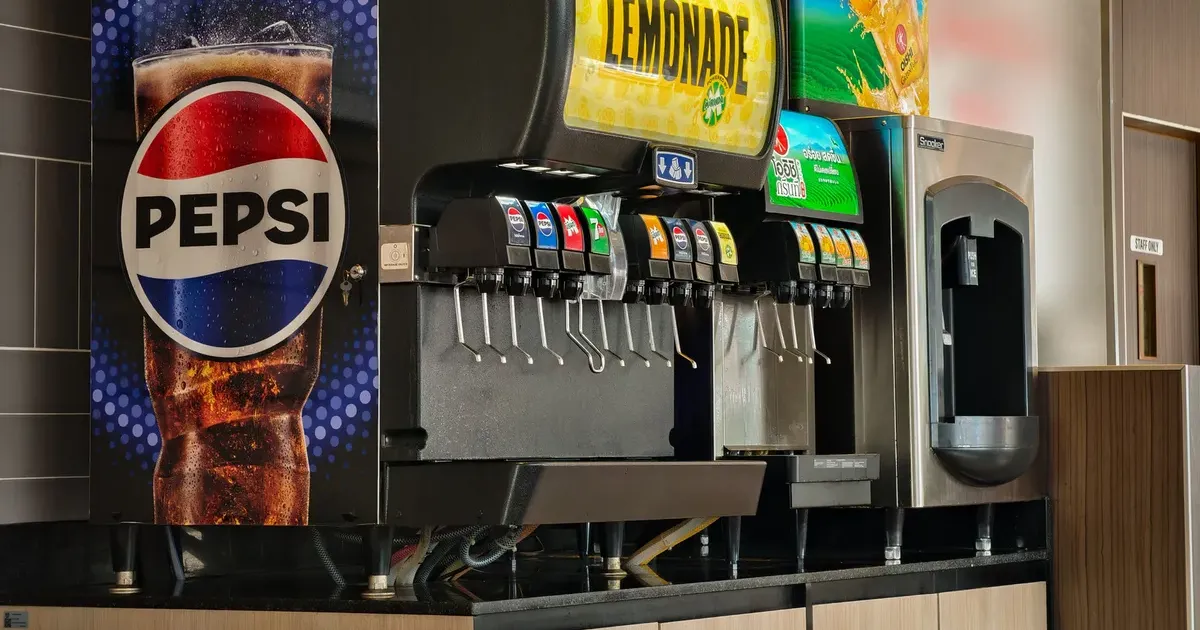
McDonald's operators across North America confirmed on April 4, 2026, that individual franchises still honor free beverage refills despite a phased removal of self-serve machines. Corporate leadership at McDonald's initially announced a plan to transition away from dining room soda fountains by 2032, citing a desire for consistency across drive-thru and digital ordering channels. Front-counter staff now handle refill requests directly, maintaining a standard of service that has defined the American fast-food experience for decades. Syrup costs for carbonated beverages remain low enough that most corporations view the second or third glass as a negligible expense compared to the risk of losing foot traffic.
Fast Food Giants Protect Self-Serve Beverage Stations
Taco Bell continues to be a primary destination for consumers seeking value through its widespread self-serve beverage stations. Most locations allow patrons to choose from a wide array of PepsiCo products, including the chain-exclusive Mountain Dew Baja Blast. This operational model reduces labor requirements by allowing customers to handle their own ice and liquid ratios. Franchisees often report that the presence of a self-serve station increases the perceived value of a meal deal, encouraging diners to choose a larger cup size for a marginal price increase. High-fructose corn syrup and carbonated water are among the cheapest components in a restaurant's inventory.
Wendy's and Burger King maintain similar policies, with many locations using Coca-Cola Freestyle machines to offer hundreds of flavor combinations. These digital dispensers track consumer preferences in real-time, providing corporate offices with detailed data on which flavor profiles are trending in specific geographic regions. Customers who dine in are typically permitted unlimited refills of any soda, lemonade, or iced tea variant. The cost of a 20-ounce soda at these establishments often exceeds $2.50, yet the raw materials for that drink cost the owner less than twenty cents. Profit margins on beverages frequently exceed 90 percent.
Subway and Five Guys also use the self-serve model to streamline the dining experience. Five Guys, known for its higher price point relative to traditional fast food, uses free refills to justify its premium positioning. Patrons at Subway locations often find that the beverage station is one of the few remaining areas where they can exercise total control over their portion sizes. Many independent franchise owners suggest that the labor saved by not having staff pour drinks outweighs the cost of the extra syrup consumed by the average diner. One gallon of soda syrup produces approximately 30 gallons of finished product.
Casual Dining Chains Leverage Bottomless Soda Options
Casual dining institutions like Olive Garden and Red Lobster have built their brand identities around the concept of abundance. Beyond the known breadsticks and biscuits, these chains offer bottomless soft drinks, flavored lemonades, and iced teas as part of the standard guest experience. Waitstaff are often trained to bring a fresh glass before the current one is entirely empty, a tactic designed to increase overall guest satisfaction scores. Corporate data indicates that the average guest consumes 1.8 servings of a beverage during a single sitting. Dine-in traffic at casual restaurants fell 4% year-over-year in 2025.
Applebee's and Chili's Grill & Bar use free refills as a core component of their lunch specials and happy hour menus. By offering unlimited soda, these chains create a competitive advantage against smaller local diners that may charge for every glass. This benefit encourages longer stay times, which can lead to increased sales of appetizers or desserts. TGI Fridays and Buffalo Wild Wings follow a similar strategy, particularly during televised sporting events when patrons may remain at a table for several hours. Revenue from alcoholic beverages often subsidizes the cost of providing free non-alcoholic refills to the designated drivers in a party.
Texas Roadhouse and Outback Steakhouse focus on high-volume beverage service to keep pace with their busy dinner rushes. These establishments prioritize speed, often using large-capacity glasses to minimize the number of trips a server must make to the soda manifold. Cracker Barrel and Denny's offer free refills on coffee and tea, which is a critical feature for their breakfast-heavy demographics. Older consumers frequently cite the availability of free coffee refills as a primary reason for their loyalty to these specific brands. National surveys show that 65% of breakfast diners expect at least one free refill of hot coffee.
Panera Bread Transitions Toward Subscription Beverage Access
Panera Bread altered the industry landscape with the introduction of its Unlimited Sip Club, a monthly subscription service. While traditional refills are still free for one-time purchasers who dine in, the subscription model encourages daily visits from a loyal subscriber base. Members pay a flat monthly fee, often around $14.99, to access unlimited coffee, tea, and soda every two hours. This strategy has successfully increased the frequency of customer visits, as subscribers are more likely to purchase a food item when they stop in for their "free" drink. Panera Bread officials report that subscription members spend much more annually than non-members.
McDonald's is making this change to create a more consistent experience for both customers and crew across all ordering channels.
Chick-fil-A remains an outlier for service speed, often providing refills at the table through dedicated dining room attendants. Unlike the self-serve model used by its competitors, Chick-fil-A emphasizes a high-touch service environment where staff proactively offer to refresh a guest's drink. The labor-intensive approach is supported by the chain's high average unit volume, which allows for higher staffing levels than the typical quick-service restaurant. The company consistently ranks at the top of customer satisfaction indices for the fast-food sector. Refill policies at these locations apply to soda, iced tea, and the chain's signature lemonade.
Chipotle Mexican Grill offers free refills at most locations, though the layout of the beverage station varies sharply between older and newer store designs. Some newer locations have moved the soda fountain behind the counter to reduce waste and prevent non-paying individuals from accessing the machine. Customers must now ask a team member for a refill in these specific environments, which has led to a slight decrease in the total volume of soda dispensed. Despite these architectural changes, the official corporate policy continues to allow for free refills on fountain drinks. Sugar-sweetened beverage taxes now exist in eight major U.S. cities.
Beverage Profit Margins Sustain Infinite Refill Models
Profitability in the restaurant sector is increasingly dependent on high-margin items like soft drinks to offset the rising costs of protein and labor. While a burger or a steak might have a food cost percentage of 30 to 40 percent, a fountain soda operates at a food cost of less than 5 percent. The enormous disparity allows restaurants to be generous with liquid portions while maintaining a healthy bottom line. Most chains negotiate long-term contracts with either Coca-Cola or PepsiCo to secure favorable pricing on syrup concentrates and equipment maintenance. These contracts often include marketing allowances that further reduce the effective cost of the beverage program.
Refill availability is also a psychological tool used to reduce the sting of rising menu prices elsewhere. A customer might be frustrated by a $5.99 price tag for a small side of fries but feels a sense of control when they can refill their soda as many times as they wish. Beverage companies also benefit from this model, as it ensures their products are consumed in high volumes, reinforcing brand loyalty and taste preferences among the general public. Modern soda fountains can dispense over 100 different beverage variants from a single machine. The logistics of CO2 delivery and syrup bag-in-box systems have become highly improved over the last twenty years.
Starbucks offers a specific refill policy that is often misunderstood by the general public. Customers who use a registered Starbucks Card or the mobile app can receive free refills of brewed coffee or tea during the same store visit. The policy does not extend to espresso-based drinks or frappuccinos, which have far higher labor and ingredient costs. By limiting this perk to loyalty members, the company gathers valuable consumer data while providing a real benefit to its most frequent guests. Starbucks limits this benefit to customers who remain in the store after their initial purchase.
The Elite Tribune Strategic Analysis
Is the free refill a generous gift to the consumer or a calculated trap for the public health infrastructure? While the industry portrays unlimited soda as a hallmark of American value, the underlying economics suggest a more cynical reality. Restaurants are essentially selling a few cents worth of sugar and carbonated water for several dollars, then using the "free" refill as a psychological anchor to distract from aggressive price hikes on core menu items. The model thrives on that the human stomach has a finite capacity, meaning the actual cost of the "infinite" beverage is capped by biological reality while the profit is secured at the point of the first transaction.
We are looking at a system where beverage companies and restaurant chains have successfully externalized the long-term health costs of excessive sugar consumption while reaping immediate, large margins. As McDonald's begins the retreat from self-serve stations, we should recognize this not as a loss of value, but as a strategic pivot toward labor efficiency and the elimination of "beverage theft." The illusion of the bottomless glass is fading, replaced by the cold efficiency of the digital subscription and the behind-the-counter gatekeeper.
Expect the era of the unmonitored soda fountain to end as corporations prioritize data collection and calorie control over the traditional image of mid-century abundance. The refill is becoming a privilege of the loyal, not a right of the hungry.