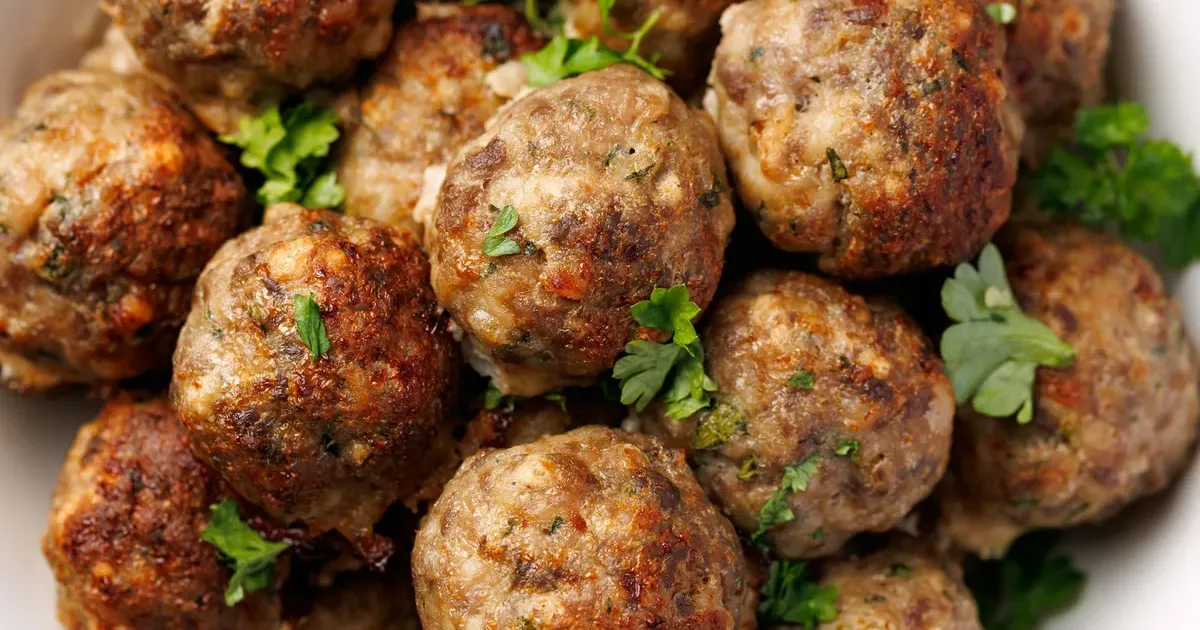
Professional kitchens across North America implemented new umami extraction techniques on April 4, 2026, to bridge the sensory gap between beef and plant-based alternatives. Culinary researchers at the University of Massachusetts identified specific mushroom varieties that mimic the savory profile of ruminant muscle without the inclusion of animal proteins. These findings coincide with a broader industry effort to move away from highly processed meat substitutes in favor of whole-food ingredients that provide natural glutamates. Traditional vegetarian meatballs often suffered from a lack of depth, resulting in a flavor profile that many consumers described as bland or overly bread-like.
Food scientists focused their attention on the molecular structure of dried mushrooms, particularly shiitakes and porcinis, which contain high concentrations of ribonucleotides. These compounds work alongside glutamic acid to stimulate human taste receptors responsible for the perception of savoriness. By pulverizing these dried fungi into a fine powder, chefs can infuse vegetable-based binders with the same chemical signals found in seared beef. Experimental trials conducted earlier this year demonstrated that a small percentage of mushroom powder sharply increased the perceived meatiness of lentil and bean-based spheres. Data from these tests showed a 40 percent increase in consumer satisfaction scores regarding texture and finish.
Molecular Composition of Mushroom Umami
Glutamate concentrations in dried mushrooms reach levels that rival aged cheeses and cured meats. When these mushrooms undergo dehydration, the concentration of guanylate increases, which is a nucleotide that acts as a flavor amplifier for existing glutamates. This chemical cooperation creates a mouth-coating sensation that mimics the fattiness of animal lipids. Culinary teams at major food service providers are now replacing liquid smoke and artificial browning agents with these concentrated fungal powders. Resulting recipes focus on the Maillard reaction, the chemical process that browns food and creates the distinct aroma of roasted meat.
Mushrooms also offer a structural advantage in meatless applications. Their cell walls contain chitin, a fibrous substance that provides a resilient, chewy texture similar to connective tissue in beef. Finely chopped mushrooms, when sautéed until their moisture evaporates, develop a dense consistency that prevents meatless meatballs from falling apart during simmering. Large-scale manufacturers have begun incorporating this "mushroom mince" into frozen product lines to improve structural integrity during the freeze-thaw cycle. Standard ratios now often call for a 30 percent mushroom base to achieve the desired bounce.
Commercial kitchens find that the cost of high-quality dried mushrooms has decreased as production scales up. A single pound of porcini powder can flavor hundreds of gallons of sauce or thousands of individual meatballs. Smaller restaurant chains are experimenting with localized sourcing to reduce the carbon footprint associated with imported flavor enhancers. Producers in the Pacific Northwest reported a surge in orders for B-grade mushrooms, which are aesthetically imperfect but chemically identical to premium specimens. This shift provides a secondary market for farmers who previously discarded such crops.
Economic Incentives in High Volume Kitchens
Industrial food production shifted toward mushroom-based additives to hedge against the rising cost of bovine protein. Market analysts estimate the alternative flavor sector will reach $20 billion by the end of the decade as companies seek shelf-stable savory solutions. Unlike fresh meat, which requires rigorous cold-chain management and has a limited shelf life, mushroom powders stay potent for up to two years in dry storage. This stability reduces waste and lowers the insurance premiums associated with foodborne illness risks in high-volume settings. Schools and hospitals have become the primary adopters of these techniques to meet dietary guidelines while maintaining student and patient engagement with menus.
"Umami represents the fifth dimension of flavor, often neglected in early vegetarian experiments," noted a report from the Culinary Institute of America.
Cost-saving measures also drive the adoption of yeast extracts and fermented pastes alongside fungal ingredients. Ingredients like Maggi seasoning or soy sauce provide the liquid salt necessary to activate the mushroom powders. These liquids contain hydrolyzed vegetable proteins that offer a quick hit of savoriness that develops into a deeper profile as the meatballs cook. Kitchen managers reported that using these concentrated boosters allows for a reduction in total sodium content. Consumers often perceive a more intense saltiness when umami levels are high, even if the actual sodium measurement is lower than in traditional recipes.
Physiological Responses to Glutamate and Guanylate
Human taste buds contain T1R1 and T1R3 receptors specifically tuned to detect the presence of amino acids. When mushroom-derived glutamates bind to these receptors, the brain registers a signal of high-density nutrition. The biological response explains why meatless meatballs flavored with mushrooms are more satiating than those relying solely on carbohydrates. Neurogastronomy studies suggest that the aroma of sautéed mushrooms can trigger the same dopamine release as the scent of a grilling steak. Such sensory overlap is critical for the long-term adoption of meat-free diets among traditional meat eaters.
Recent surveys indicate a decline in interest for lab-grown fats and synthetic heme. Consumers expressed a preference for ingredients they recognize, such as mushrooms, onions, and garlic. Transparency in labeling has forced companies like Impossible Foods to defend their use of genetically modified yeast, whereas mushroom-based recipes avoid such scrutiny. Natural ingredients carry a health halo that processed analogs struggle to maintain. Sales of mushroom-centric cookbooks and specialized umami seasonings have doubled in the past twelve months. The trend reflects a desire for culinary simplicity over technological intervention.
Chefs who specialize in Italian-American cuisine are now leading the charge in refining these recipes. They argue that the meatball was always a vessel for seasoning and texture rather than just a meat delivery system. By using toasted walnuts and roasted mushrooms, these professionals create a complex flavor profile that some critics claim surpasses the original beef version. The integration of nutritional yeast provides a cheesy, nutty finish that rounds out the acidic notes of a tomato marinara. These developments are not limited to high-end dining. Fast-casual chains are testing mushroom-based sliders and meatballs to appeal to the growing flexitarian demographic.
Future research into fungal flavor profiles suggests that the variety of mushroom used determines the specific meat analog. Shiitakes provide a profile closer to pork, while porcinis and creminis lean toward the earthy notes of beef. Foragers and commercial growers are working together to identify wild species that might offer even more intense umami concentrations. Some labs are experimenting with liquid fermentation of mycelium to create a concentrated umami broth that can be injected into plant-based proteins. The technology could eliminate the need for any artificial flavorings in the meatless sector. The goal is a clean-label product that satisfies the most demanding palates.
The Elite Tribune Strategic Analysis
Should the mimicry of meat be considered a failure of culinary imagination? For decades, the vegetarian movement struggled to find its own identity, perpetually trapped in the shadow of the steakhouse. The current obsession with making mushrooms taste like beef suggests that we are still unable to value vegetables for their own inherent qualities. We are forcing a complex organism to put on a costume and perform as a cheap imitation of a cow. The trend reveals a deep cultural insecurity about plant-based eating that no amount of umami powder can truly mask.
The economic reality is that the food industry is not motivated by health or environmental ethics, but by the relentless pursuit of lower input costs. Mushrooms are cheaper than cattle. If the industry can trick the public into accepting a fungal sphere that approximates a meatball, profit margins will soar while the consumer pays the same premium price. It is not a revolution of flavor; it is a masterpiece of corporate margin expansion disguised as a culinary breakthrough. What is unfolding is the commodification of the fifth taste to serve the bottom line of global food conglomerates.
Ultimately, the success of the meatless meatball depends on our willingness to be deceived. If the chemistry is good enough, the origin of the molecule becomes irrelevant to the average diner. The move toward mushroom-based umami is a pragmatic surrender to the reality that most people do not want to eat their vegetables; they want to eat their memories of meat. The industry has finally figured out how to sell that nostalgia without the ranching overhead. Profit wins again.