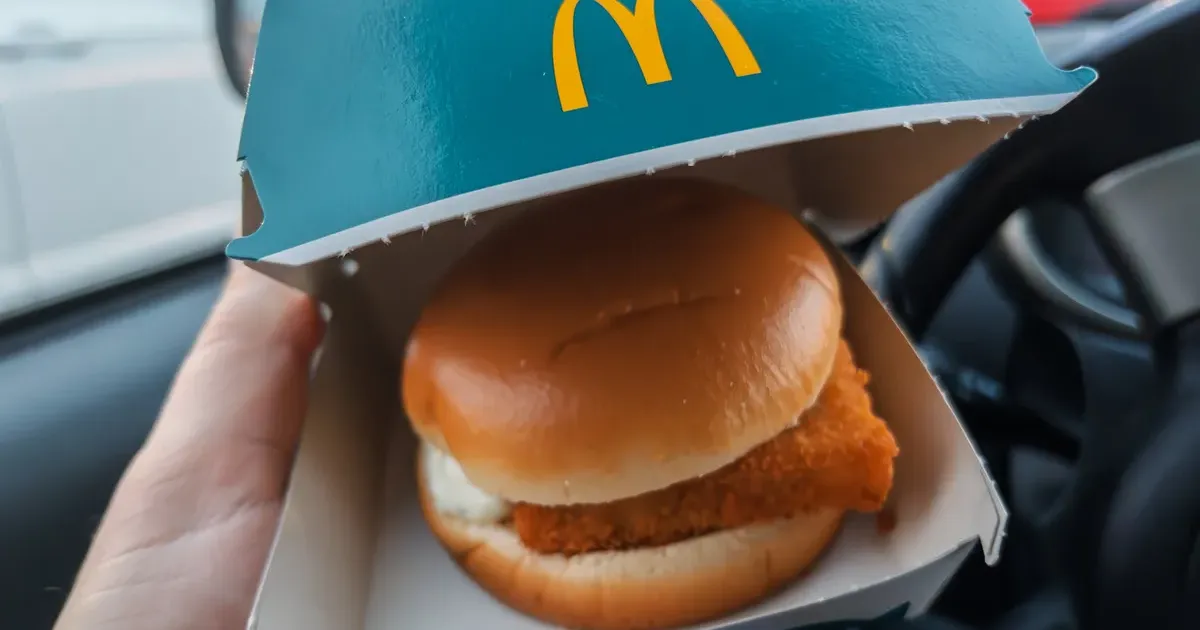
McDonald's corporate headquarters in Chicago received fresh consumer feedback on April 6, 2026, concerning the customization of legacy menu items. Staff at regional offices noted a surge in social media discussion regarding small adjustments to the Filet-O-Fish, a staple that has existed since 1962. Simultaneously, Subway franchise owners reported internal friction as employees voiced public concerns about specific meat-intensive options on the standard menu. These developments highlight a growing rift between standardized corporate offerings and the lived experience of front-line workers.
Professional kitchens often operate under strict protocols that leave little room for the texture and flavor variations customers now demand. Consumer preference has shifted away from the uniform soft textures of the mid-twentieth century toward a more complex, tactile eating experience. This shift forces major brands to reconsider how they present classic items to a more discerning public.
McDonald's Customization Strategies for the Filet-O-Fish
Lou Groen originally conceived the Filet-O-Fish to save his struggling Cincinnati franchise during the Lenten season. The sandwich, known for its steamed bun and singular slice of processed cheese, has undergone few structural changes in over sixty years. Recent reports from culinary analysts at Tasting Table suggest that the base model lacks the structural variety found in modern premium burgers. Adding dehydrated onions or extra pickles provides the specific zing and crunch that the original recipe omits. These additions do not alter the fundamental flavor profile of the pollock patty or the tartar sauce.
Instead, they introduce a needed contrast to the exceptionally soft steamed bun. Market research indicates that texture is now a primary driver of customer satisfaction in the $11 billion seafood fast food segment. Most diners are unaware that these modifications are often available at little to no extra cost. McDonald's allows for serious customization through its digital kiosks, yet the most effective hacks remain largely part of an informal insider culture.
Standardized recipes prioritize speed and consistency over sensory depth. A steamed bun provides a consistent temperature but results in a monochromatic texture. Adding fresh lettuce or even a second layer of onions breaks this monotony. Industry observers note that the Filet-O-Fish is one of the few items where the bun is steamed rather than toasted. This process creates a uniquely pillowy mouthfeel that some customers find too yielding. Enhancing the sandwich with ingredients typically reserved for beef burgers creates a hybrid experience. The acidity of the pickles cuts through the fat of the deep-fried fish. It creates a balance that the original designers likely sacrificed for broad, mild appeal.
Subway Employee Concerns Regarding Meat Quality
Subway workers have recently taken to digital forums to express skepticism about the prep work required for certain high-volume sandwiches. Personnel who manage the daily slicing and assembly of these subs see the raw ingredients before they are masked by sauces and toasted buns. Many employees steer clear of the more complex meat combinations, such as the Cold Cut Trio, due to the nature of the pre-processed proteins. These items often consist of turkey-based substitutes for ham, salami, and bologna. While the marketing suggests a variety of meats, the reality is a homogenized selection of turkey derivatives.
Staff members who handle these products daily are the first to notice inconsistencies in color, smell, or texture. Their avoidance is a signal to the broader consumer base about the disconnect between branding and back-of-house reality. Quality control varies by franchise, but the underlying complaints remain consistent across diverse geographic regions.
According to Tasting Table, employees see the behind-the-scenes hidden to customers, and their opinions can tell you a lot about a restaurant.
Worker preferences often dictate which items see the highest turnover in specific locations. If the staff avoids a particular sandwich, the ingredients for that item may sit longer in the refrigeration units. This cycle of avoidance can lead to a decrease in freshness for less popular menu items. Employees typically favor the rotisserie-style chicken or the steak options, which they perceive as being closer to their whole-food origins. The pre-sliced meat stacks used in the cheaper sub varieties often arrive in vacuum-sealed packages that require manual separation. The labor-intensive process is a frequent source of frustration for understaffed teams.
So, the quality of the final product depends heavily on the diligence of a worker who may already be skeptical of the ingredient list.
Fast Food Franchise Operations and Back-of-House Realities
Efficiency metrics drive most decisions in the modern quick-service restaurant environment. A standard Subway assembly line is designed to process a sandwich in under three minutes. Any deviation, such as a request for specific meat layering or extra vegetable drainage, slows the entire system. Employees often feel the pressure of these timers more than they feel the desire for culinary excellence. McDonald's faces a similar challenge with its fish station, which is often separated from the main burger production line.
The specialized equipment used for steaming buns and frying fish patties must be maintained at precise temperatures to ensure food safety. If a franchise is busy, the temptation to pre-cook fish patties increases. The practice leads to the rubbery texture that many critics cite when disparaging the sandwich. Quality is the first casualty of high-volume throughput. Most chains have yet to find a way to balance the speed of a drive-thru with the complexity of a customized order.
Franchisees must manage the rising costs of raw materials while maintaining the low price points customers expect. The financial pressure often leads to the selection of lower-grade ingredients for entry-level menu items. The $5.99 price point for a six-inch sub or a small meal deal leaves a thin margin for error. Small modifications, like the McDonald's fish hack, are popular because they offer a way to elevate a cheap meal. They provide a sense of agency to the consumer in a system that is otherwise highly rigid.
The desire for agency is a reaction to the extreme standardization of the global food supply. People want to feel that their food is being prepared specifically for them, even if it comes from a corporation with 40,000 locations. The popularity of secret menus and employee warnings is evidence of this need for transparency.
Corporate entities have attempted to co-opt this trend by introducing their own hacks. McDonald's launched a series of menu mashups recently, but these were met with mixed reviews. Customers often prefer the organic discovery of a hack instead of a corporate-sanctioned version. There is a specific social capital associated with knowing how to fix a flawed sandwich. The knowledge circulates through online communities, creating a new layer of brand engagement that does not rely on traditional advertising. Subway has tried to combat employee dissatisfaction by refreshing its entire meat lineup.
The Subway Series was an attempt to move away from total customization and toward chef-inspired builds. Yet, the core issue of ingredient transparency persists among the workers who handle the food. Trust is built in the kitchen, not in the marketing suite.
The Elite Tribune Strategic Analysis
Consumer fascination with fast food hacks and employee boycotts reveals a deep failure in the modern franchise model. These billion-dollar entities have improved their menus for such extreme consistency that they have stripped the joy of eating from the experience. When customers must resort to adding pickles to a Filet-O-Fish to achieve basic structural integrity, the product is fundamentally broken. We are observing the death of the "standard" menu as it collapses under the weight of its own mediocrity. Corporate leaders who dismiss these trends as mere social media noise do so at their own peril.
The internal skepticism voiced by Subway staff is particularly telling. A brand built on the promise of "Eat Fresh" cannot survive if its own frontline workers find the ingredients unpalatable. The disconnect suggests that the franchise model has prioritized supply-chain efficiency over the integrity of the plate. It is a cynical approach to dining that assumes the customer is either too rushed or too uneducated to notice the difference between turkey-salami and the real thing. Elite Tribune maintains that the next decade will belong to brands that dare to simplify their menus and reinvest in actual ingredients.
The current obsession with "hacks" is merely a symptom of a deeper hunger for authenticity in an increasingly synthetic world. Convenience is no longer a sufficient excuse for poor quality. The market eventually punishes those who confuse efficiency with excellence. Fast food is dead.