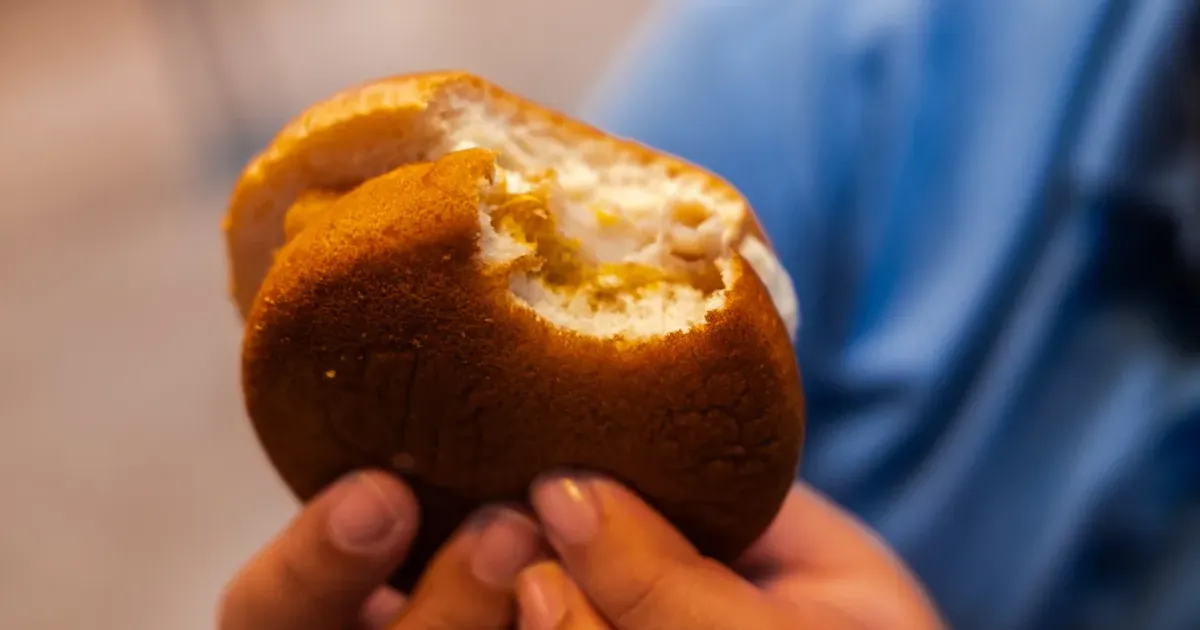
McDonald's Corp executives tracked a peculiar trend on April 7, 2026, as high-end mixologists began advocating for the union of fast-food staples and luxury spirits. Filet-O-Fish enthusiasts traditionally pair the sandwich with soft drinks or water, but a growing movement in high-low gastronomy suggests a more complex approach. Lou Groen, a franchise owner in Cincinnati, invented the sandwich in 1962 to solve a specific problem for his business. Roman Catholic customers in his neighborhood avoided meat on Fridays, which threatened his business margins during Lent. Ray Kroc, the company founder, initially preferred a hula burger featuring pineapple slices, yet sales data favored the fish option. This historical success created a permanent addition to the national menu that survives today.
Chefs now argue that the refined profile of a Negroni Sbagliato complements the processed elements of the meal. Bitterness from the Campari acts as a foil to the high fat content in the breaded patty and the half-slice of American cheese. Tartar sauce, which features capers and pickles, provides an acidic bridge to the botanical notes found in gin-based drinks. Mixologists often point to the contrast between the chilled glass and the steam-injected bun as a sensory highlight. Fast food can be elevated if you are brave enough to believe.
Culinary Critics Examine High-Low Gastronomy Trends
Fine dining institutions in London and New York have experimented with high-low pairings for over a decade. Champagne and fried chicken became a staple at upscale bars, proving that high acidity cuts through heavy breading. The Filet-O-Fish offers a unique challenge because its texture is softer than most fried poultry. Alaskan Pollock is the protein core, providing a mild umami flavor that does not compete with strong herbal liqueurs. Critics suggest that a Dry Martini, garnished with an extra-large olive, mirrors the briny notes found in the McDonald's tartar sauce recipe. Salt enhances the perception of sweetness in the bun, creating a feedback loop of flavor.
Molecular gastronomy researchers note that the specific sugar content of the McDonald's bun interacts with the tannins in fortified wines like vermouth. Steaming the bread rather than toasting it preserves a moisture level that prevents the alcohol from overpowering the palate. Historically, the Filet-O-Fish has maintained a cult following among professional chefs who appreciate its consistency. Consistency is a hallmark of industrial food production, where the sandwich tastes identical in Tokyo, London, or Chicago. This predictability allows mixologists to calibrate cocktail recipes with extreme precision. Only a few menu items offer such a stable baseline for experimentation.
Chemical Balance of Tartar Sauce and Gin Botanicals
Tartar sauce relies on a foundation of mayonnaise, which is a stable emulsion of oil and egg yolk. Acidity comes from vinegar and lactic acid, while textural crunch arrives via rehydrated onions and minced pickles. These components mirror the classic garnishes of a savory cocktail. When a diner sips a gin-based drink, the juniper berries and coriander seeds interact with the dill and onion in the sauce. Carbonation matters here as well. Effervescence from a sparkling wine or soda water physically lifts fat molecules off the tongue. This clearing of the palate ensures that the next bite of the sandwich tastes as fresh as the first.
"Fast food can be elevated if you are brave enough to believe," noted the Tasting Table editorial team.
Alcohol is a solvent for fat-soluble flavor compounds that might otherwise remain trapped in the breading. Professional tasters have noted that the Filet-O-Fish releases more oceanic notes when paired with a high-proof spirit. Specifically, the subtle sweetness of the pollock becomes more pronounced against the backdrop of a bitter aperitif. Many diners find that the half-slice of cheese, which often confuses culinary purists, provides a necessary creamy finish. The specific cheese choice was intentional, designed to avoid overwhelming the delicate fish flavor. The result is a balanced bite that mimics the complexity of a seafood crudo or a luxury tartine.
Seafood Sourcing and Corporate Culinary Consistency
Supply-chain logistics for McDonald's Corp involve large harvests of Alaskan Pollock from the Bering Sea. The Sustainable Fisheries Partnership works with the company to ensure that these harvests do not deplete local populations. Every patty can be traced back to a specific fishery that adheres to international standards. The industrial rigor ensures that the fish contains a consistent moisture content of approximately 78 percent. Such precision is impossible to replicate in traditional kitchens where wild-caught fish varies by the day. Mixologists rely on this uniformity to ensure their cocktail pairings never falter. A drink designed for a Filet-O-Fish in January will work perfectly in July.
Processing plants flash-freeze the fish blocks within hours of the catch to lock in cellular structure. Workers then cut these blocks into the familiar square shapes before applying a light batter. The breading must withstand the high-temperature frying process without absorbing too much oil. Corporate specifications require the patty to maintain a specific thickness to ensure it fits the bun perfectly. The geometry matters for the cocktail experience. A sandwich that is too thick would require more alcohol to balance, while one that is too thin would be lost behind the spirits. Every millimeter of the sandwich has been engineered for a specific mouthfeel.
Luxury Spirits Penetrate Quick Service Dining Culture
Younger demographics are increasingly blending luxury consumption with everyday convenience. Ordering a gourmet cocktail to accompany a drive-thru meal is no longer considered an anomaly in metropolitan areas. Social media platforms have accelerated this trend, with influencers showcasing elaborate home bar setups next to cardboard burger boxes. Brand loyalty is shifting toward experiences that combine nostalgia with sophistication. The Filet-O-Fish evokes childhood memories for many, while a Negroni signals adult refinement. Merging these two worlds creates a unique psychological satisfaction that goes beyond the meal itself. Markets for premium vermouth and craft gin have seen a slight uptick in residential areas near fast-food clusters.
Retailers have noticed that consumers often buy high-end ingredients alongside casual snacks. A bottle of Carpano Antica or Hendrick's Gin might be purchased on the same trip as a pack of frozen fries. The behavior indicates a permanent change in how people perceive value. Value is no longer just about the lowest price; it is about the most interesting contrast. Gastronomes believe that the future of dining lies in these unexpected intersections. A Filet-O-Fish is no longer just a quick lunch. It is a canvas for the modern mixologist.
The Elite Tribune Strategic Analysis
Pairing a fifteen-dollar cocktail with a five-dollar sandwich exposes a desperate cultural need for irony in an age of diminishing prestige. The trend is not about flavor chemistry or the supposed brilliance of steamed buns. It is a symptom of a hollowed-out middle class that can no longer afford frequent visits to Michelin-starred establishments but still craves the aesthetic of luxury. By elevating a mass-produced fish square with a Negroni Sbagliato, the consumer performs a ritual of status reclamation. It is an act of defiance against the rigid boundaries of culinary classism, yet it simultaneously reinforces the dominance of huge corporations like McDonald's Corp.
Luxury brands are eager to participate in this high-low synthesis because it allows them to remain relevant to a younger, more cynical audience. If a gin brand can be associated with the comfort of a Filet-O-Fish, it enters the consumer's life through the backdoor of nostalgia. We should be skeptical of any movement that suggests a frozen pollock patty is a fine-dining experience just because it is consumed next to expensive vermouth.
The industrialization of taste has reached its zenith when we begin to analyze the chemical details of tartar sauce as if it was a complex reduction from a French master. It is not the elevation of fast food. It is the cheapening of the cocktail. Acknowledge it for what it is: a marketing-driven illusion of sophistication. The sandwich remains a square of frozen fish.