Rustic Bakery and Häagen-Dazs dominated consumer market analytics on April 6, 2026, when new flavor assessments challenged established grocery industry hierarchies. Market analysts observed a sharp increase in artisanal demand as shoppers prioritized texture over basic sweetness. Quality remains the primary driver for these premium segments. While Tasting Table scrutinized the crunchy offerings of Northern California, separate reviews from The Takeout focused on the frozen dairy giants of the Bronx.
Rankings provide more than mere suggestions for the Sunday grocery list. Retailers often use these hierarchical lists to determine shelf placement and inventory volume for the upcoming quarter. Grocery stores in high-income ZIP codes have increased their orders for savory crackers by 14% compared to the previous fiscal year. Texture is the primary differentiator in the modern snack aisle. Success in the savory market hinges on a brand’s ability to move beyond a single signature product.
Rustic Bakery Expands Beyond Sourdough Flatbread
Marin County based Rustic Bakery built its reputation on a single, iconic sourdough flatbread cracker. Expansion into cookies and shortbreads forced a re-evaluation of its brand identity within the competitive artisanal space. Researchers from Tasting Table sampled 12 specific products to determine if the quality of the company’s sweet items matched its savory roots. Ginger snaps and citrus-infused shortbreads now compete for the same premium consumer dollars once reserved exclusively for crackers. High production standards in the Petaluma facility ensure that the distinct crispness of the sourdough remains consistent across multiple batches.
Rustic Bakery has much more to offer than its signature sourdough flatbread crackers.
Savory profiles still anchor the brand’s financial stability. Sea salt and olive oil varieties continue to lead in national sales volume. Competition from local bakeries in New England and the Pacific Northwest has forced the company to diversify its flavor palette. Analysts noted that the introduction of cheese-based snacks and fruit-heavy crisps helped the brand capture a larger share of the charcuterie market. Distribution deals with high-end grocers helped the company maintain a 4.2% growth rate in the first quarter of the year.
Ginger snaps from the bakery use a specific blend of molasses and spice to achieve a traditional profile. Some reviewers preferred the crunch of the flatbread over the softer crumb of the seasonal cookies. Consistency across diverse product lines is a common hurdle for small-scale manufacturers moving into mass distribution. The bakery uses traditional brick ovens for specific lines to preserve the rustic texture advertised on its packaging.
Häagen-Dazs Flavor Profiles and Consumer Loyalty
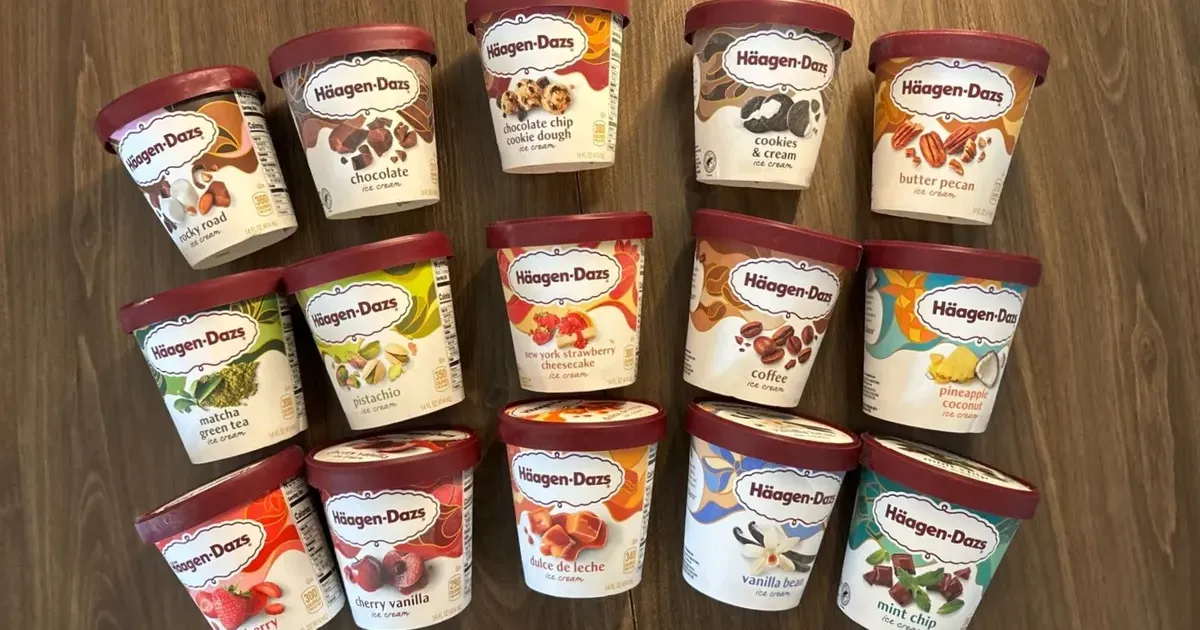
Ice cream markets operate on a different psychological plane where nostalgia competes with exotic innovation. Häagen-Dazs remains a titan in this sector, maintaining a brand identity rooted in European-style luxury despite its New York origins. Experts recently evaluated 17 flavors to see how the brand’s core pillars hold up against the rise of low-calorie competitors. Vanilla Bean and Belgian Chocolate still represent the foundation of the company’s global revenue. Matcha Green Tea and Butter Pecan show how the brand adapts to shifting regional tastes without losing its signature high-fat density.
Matcha Green Tea caters to a demographic looking for earthy, less saccharine options. This specific flavor requires a high grade of tea powder to prevent a bitter aftertaste in the finished pint. Production costs for these specialized ingredients have risen by 8% over the last two years. Many buyers still gravitate toward the familiar crunch of Butter Pecan. The nuts used in this recipe undergo a specific roasting process to ensure they stay crisp within the frozen cream. Luxury ice cream requires a minimum butterfat content of 15% to achieve the mouthfeel expected by its core audience.
Product rankings often penalize brands for being too traditional. Some critics argued that the simpler flavors lacked the complexity of modern mix-in heavy brands. Premium dairy supplies are tightening globally. Analysts expect the price of a standard pint to increase by 50 cents before the end of the year.
Chocolate Peanut Butter ranks high due to the technical challenge of keeping peanut butter ribbons pliable at sub-zero temperatures. Failure to master this stabilization results in a gritty texture that alienates loyalists. Dairy science dictates that the air content, or overrun, must stay low for the product to be considered super-premium. Most Häagen-Dazs products maintain an overrun of less than 25%.
Strategic Impact of Food Ranking Lists
Lists create a feedback loop that influences future product development cycles. When a specific flavor like Salted Caramel tops a national ranking, competing brands often rush similar profiles into production. This phenomenon leads to a homogenization of the supermarket shelf. Small-batch producers struggle to match the marketing reach of established names during these viral ranking cycles. Consumer attention spans are shorter than ever. A single top-ten list can drive a 20% spike in online mentions for a niche bakery product.
Quality control remains the final arbiter of long-term success. A brand can survive a poor ranking if its core customer base remains loyal to a specific taste profile. Large corporations use these lists as free market research. They identify which attributes, such as salt levels or fruit density, resonate most with the vocal minority of food critics. Data from these reviews informs the next generation of snack packaging. Visual appeal is secondary to the perceived health benefits of artisanal ingredients. Consumers are willing to pay a 30% premium for snacks that use non-GMO flour or organic dairy.
Social media amplified the reach of these specific rankings across multiple demographics. Younger shoppers prioritize brands that offer a story alongside the product. Rustic Bakery leans into its Northern California heritage to justify its price point. Häagen-Dazs relies on its history of consistency to fend off newer, venture-capital-backed ice cream startups. Both companies must navigate a landscape where consumer preferences change with seasonal regularity.
Final tallies for the year suggest that the snack market is splitting into two distinct paths. One path favors extreme convenience and low cost. The other path, occupied by the brands discussed, caters to a sensory-focused buyer who views food as a lifestyle choice. Brand loyalty in 2026 is a fragile commodity.
The Elite Tribune Strategic Analysis
Do rankings actually reflect quality, or are they merely tools for market manipulation? The rise of the listicle economy has turned food criticism into a commodity where the loudest opinion often overrides the most rigorous testing. Consumers are being trained to seek out the best of the best, creating a winner-take-all environment that punishes mid-tier brands that provide perfectly adequate nutrition and flavor. This obsession with hierarchy ignores the reality that taste is inherently subjective and tied to individual memory. The evidence points to a flattening of culinary diversity as brands chase the specific metrics that allow them to top a viral list.
Investors should look past the headline rankings to see the underlying supply-chain vulnerabilities. Both artisanal bakeries and premium dairy producers are facing a future of rising ingredient costs that will eventually break the current pricing model. A sourdough cracker cannot remain rustic when the grain is sourced from three different continents to keep costs down. A pint of ice cream loses its luxury status the moment the butterfat is replaced by stabilizers to offset dairy inflation. The industry is currently coasting on brand equity that was built in a more stable economic environment. When that equity runs dry, no amount of top-ten lists will save a brand from the reality of a shrinking middle-class food budget. Market consolidation is inevitable.