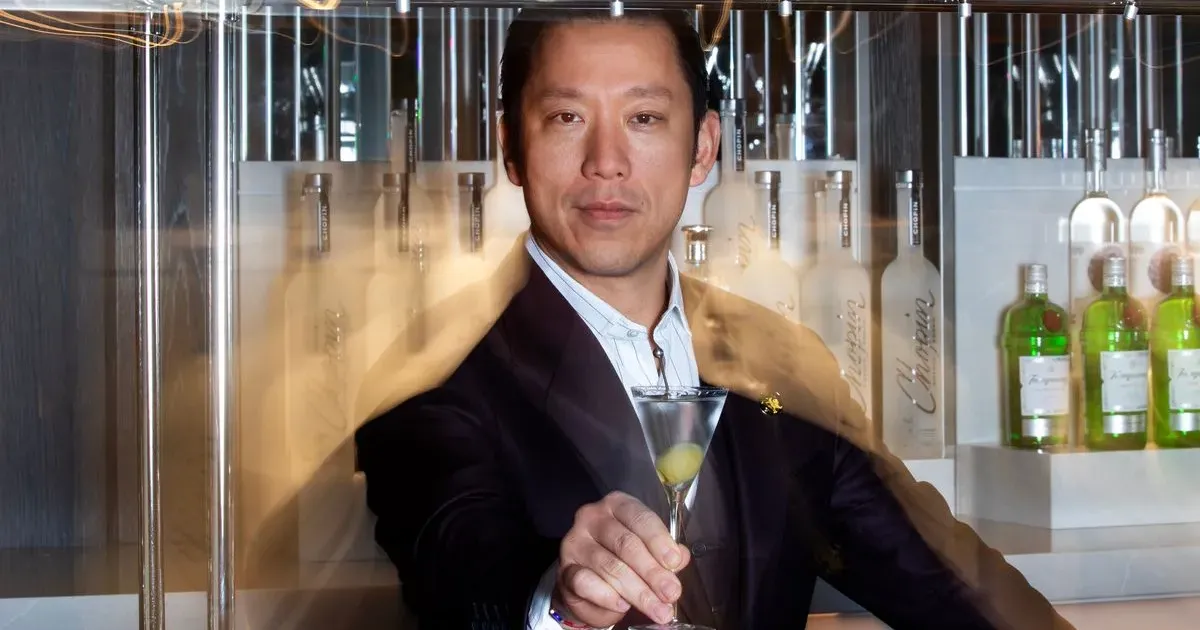
Simon Kim surveyed the expansive construction site on April 6, 2026, marking the latest phase of a development project that redefined the intersection of high-end dining and cultural hybridity. Construction crews worked through the afternoon to finalize structural elements of what Kim describes as the ultimate expression of his culinary vision. Nine years have passed since the entrepreneur first introduced his flagship concept to the Flatiron District, and the current expansion is at a scale previously unseen in his portfolio. Project managers confirm the new site will span multiple floors near Grand Central Terminal.
Expansion Strategy for the Cote Brand
Gracious Hospitality Management grew from a single-restaurant operation into a multi-city powerhouse through the success of Cote, a concept blending Korean barbecue traditions with the classic American steakhouse. Financial records indicate that the original Manhattan location has maintained peak occupancy since its debut in 2017. Kim used this momentum to secure a Michelin star within months of opening, a feat rarely achieved by restaurants focused on tabletop grilling. International interest followed, leading to the establishment of high-performing outposts in Miami and Singapore.
Investors note that the revenue generated by the flagship location funded the initial research for this larger Manhattan venture. Kim sought locations that offered huge square footage and high ceilings to accommodate complex ventilation systems required for smokeless charcoal grills. The logistical requirements of such a facility narrowed the search to a handful of historic buildings in Midtown. Final negotiations for the current site concluded in late 2024, involving $20 million in initial capital commitments.
Logistical Complexity of New York Dining
Architectural plans for the new project reveal a multi-story layout designed to move guests through different atmospheric zones. Ground-floor operations will focus on high-volume dining, while upper levels house private rooms and a specialized beef-aging room visible to the public. Engineers spent twelve months designing a custom air-filtration system that handles the output of over fifty individual tabletop grills. Regulatory filings with the New York Department of Buildings show that the infrastructure upgrades alone cost more than the entire construction of the original Flatiron space.
Managing a staff of over 300 employees across multiple venues requires a centralized corporate structure. Kim reorganized his executive team in 2025 to include veterans from the hotel and logistics sectors. These leaders oversee a supply-chain that sources wagyu beef from Japan, American wagyu from Texas, and specialized banchan ingredients from regional Korean producers. Operating costs for a facility of this size typically exceed several hundred thousand dollars per month before accounting for labor.
"This is my Sistine Chapel," said Simon Kim regarding his most ambitious project to date.
Critics frequently cite the difficulty of maintaining quality control when a chef or owner scales an operation so rapidly. Kim countered these concerns by implementing a rigorous internal training program for meat sommeliers, a title he popularized in the American market. Every employee must pass a multi-stage certification process before they are permitted to handle the dry-aged cuts at the table. This system ensures that the signature service style remains consistent regardless of the restaurant location.
Korean Hospitality Meets American Steakhouse
Blending the concept of "jeong" with the brashness of a New York power lunch created a unique market niche for the brand. Traditional Korean barbecue often emphasizes community and casual settings, whereas Cote prioritizes a sleek, dimly lit environment reminiscent of a luxury lounge. Designers used dark green marble and gold accents to distance the brand from the utilitarian aesthetic found in many immigrant enclaves. The menu pricing reflects this transition, with the signature "Butcher's Feast" commanding a premium price point compared to traditional neighborhood joints.
Cultural commentators observe that Kim is not merely selling food, but a specific version of the immigrant success story. His ability to navigate the boardrooms of Midtown while staying rooted in the flavors of his heritage has made him a fixture in industry trade publications. The upcoming project includes a cultural center component designed to showcase Korean artisans and beverage producers. This expansion effectively turns a dining room into a flagship for Korean soft power in the heart of Manhattan.
Economic Impact of Gracious Hospitality Ventures
Real estate developers often view a lease signing by Kim as a signal of neighborhood revitalization. The surrounding blocks near the new project have seen a 15% increase in commercial rent inquiries since the announcement. City tax records suggest that the payroll taxes generated by his combined New York entities contribute sharply to the local hospitality sector economy. Kim maintains a policy of offering thorough health benefits to full-time staff, a practice that remains rare in the independent restaurant world.
Market analysts at Bloomberg indicated that the high-end dining sector continues to show resilience despite fluctuating interest rates. Premium experiences attract a demographic that is largely insulated from minor economic downturns. By positioning his "Sistine Chapel" at the intersection of luxury and accessibility, Kim targets both the corporate elite and the culinary tourist. The sheer volume of reservations at his existing locations stands at an average of 4,000 per week.
The Elite Tribune Strategic Analysis
Is the comparison of a steakhouse to the Sistine Chapel an act of visionary confidence or a symptom of the widespread egoism currently plaguing the American hospitality industry? Simon Kim is undoubtedly a master of the brand, yet his comparison to Michelangelo suggests a level of self-importance that ignores the fundamental volatility of the New York restaurant market. History is littered with the corpses of "empire builders" who believed their brand was too large to fail, only to find that luxury consumers are the most fickle demographic on earth. This project is an enormous gamble on the continued fetishization of high-end Korean culture, a trend that may have already peaked.
Kim's move into Midtown indicates a departure from the curated intimacy that made his first location a critical darling. Scaling a Michelin-starred experience across thousands of square feet often results in a diluted product where the spectacle outweighs the substance. If the ventilation fails or the service stutters under the weight of 500 nightly covers, the "Sistine Chapel" will quickly become a very expensive monument to hubris. The financial risk is enormous. One bad quarter could destabilize the entire Gracious Hospitality portfolio.
The era of the celebrity restaurateur thrives on these high-stakes theater pieces, but the audience eventually grows tired of the same script. Kim must deliver more than dry-aged beef and dark marble to justify the $20 million price tag. Failure here would not just be a business loss; it would be a public humiliation. The verdict is pending.