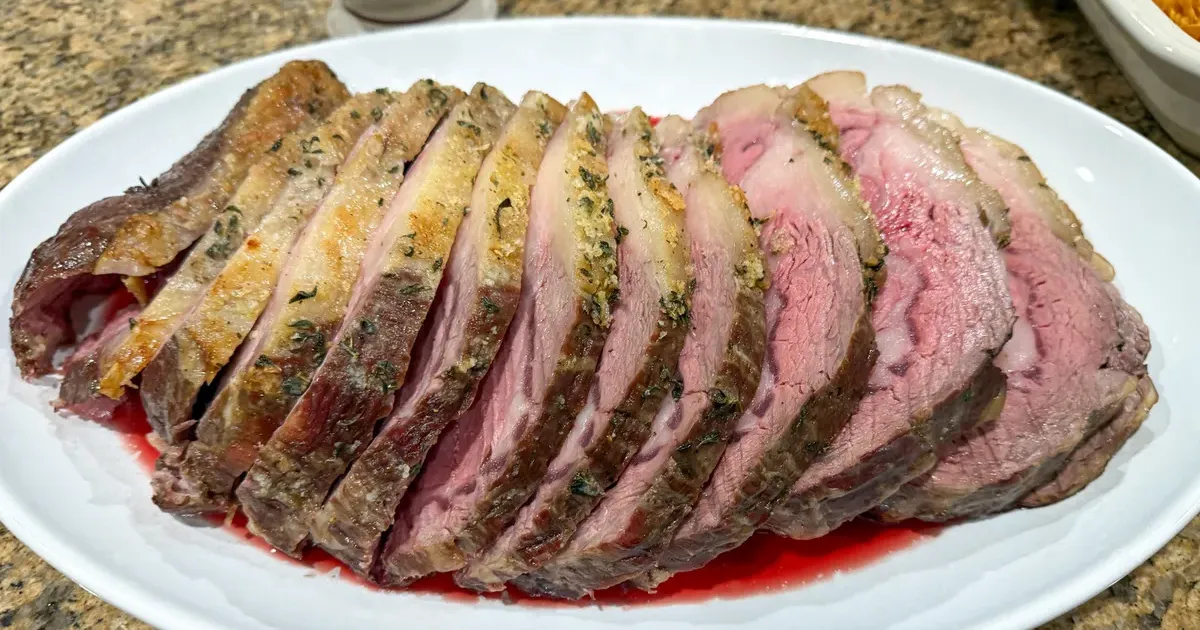
Chefs across the United States officially debuted a pastrami seasoning for prime rib on April 6, 2026. Experts describe this culinary shift as a major departure from the traditional salt-heavy crust. Prime rib, long considered the centerpiece of American holiday dining, rarely sees aggressive spice intervention. Pastrami seasoning offers a profile rooted in Jewish delicatessen history rather than the typical English roasting tradition.
Heavy applications of black pepper and toasted coriander now define the surface of high-end beef roasts in cities like New York City. These flavors provide a sharp contrast to the rich, fatty marbling found in USDA Prime cuts. Delicatessen owners have noted that the crossover between deli meats and fine dining roasts has been building for years. Consumers increasingly demand complex flavor profiles that justify the rising costs of premium beef.
History suggests that pastrami itself is an evolution of the Romanian pastrama, which used salt-curing and spices to preserve mutton. When Jewish immigrants arrived in America, they adapted the technique to beef brisket, creating a cultural staple at institutions like Katz's Delicatessen. Prime rib, by contrast, descends from the British Sunday Roast, where the quality of the meat was intended to speak for itself with minimal interference. Combining these two lineages creates a product that balances old-world preservation techniques with modern luxury dining.
Anatomy of a Pastrami Spice Profile
Coriander is the foundational aromatic in a pastrami-inspired crust. When toasted and coarsely cracked, the seeds release floral and citrus notes that cut through the density of beef fat. Black pepper provides a heat that builds slowly, distinguishing itself from the immediate sting of horseradish often served alongside prime rib. Some chefs add brown sugar to the rub to enable a more solid Maillard reaction during the initial high-heat sear.
Dry brining matters in the success of this preparation method. Salt must penetrate the meat for at least twenty-four hours before the spice rub is applied. This process ensures the interior remains seasoned while the exterior spice layer forms a dehydrated, concentrated bark. Moisture loss on the surface is a deliberate outcome, as it intensifies the flavor of the peppercorns and garlic. Beef roasts treated this way often require lower cooking temperatures to prevent the spices from burning before the internal temperature reaches the desired state.
Pastrami is essentially a way of preserving meat, usually beef, by curing it in brine, then coating it with a mixture of spices like garlic, coriander, and black pepper.
Garlic powder and mustard seed complete the classic spice quartet. Fresh garlic often contains too much moisture for a long roast, making the granulated version a superior choice for crust formation. Mustard seed adds a subtle acidity and crunch that mimics the experience of eating a traditional pastrami sandwich. Restaurants using USDA Prime beef find that these spices do not mask the meat but instead accentuate the natural mineral qualities of the grain-fed fat.
Commercial Impact on the High-End Steakhouse
Steakhouses face pressure to innovate as the price of USDA Prime rib continues to hover near $40 per pound at the retail level. Offering a pastrami-crusted option allows establishments to differentiate themselves from home cooks who typically stick to rosemary and thyme. Market data from the National Cattlemen's Beef Association indicates that younger diners prioritize bold, global flavors over monochromatic salt-and-pepper seasonings. This demographic shift is forcing executive chefs to reconsider the boundaries of the traditional carving station.
Revenue at restaurants featuring heritage-inspired meat preparations grew by 14 percent over the last fiscal year. Katz's Delicatessen continues to see record crowds, proving that the appetite for cured and spiced beef remains at an all-time high. Steakhouses in Chicago and Dallas have begun installing custom smokers to add a touch of hickory or oak to their prime rib. Smoked prime rib with a pastrami crust is a fusion of barbecue, deli, and fine dining techniques.
The National Cattlemen's Beef Association reports that wholesale beef demand fluctuates based on how well restaurants market specific cuts. Prime rib sales usually peak in December, but the pastrami-crust trend has extended its popularity into the spring months. Katz's Delicatessen has seen similar year-round demand for its spiced meats. Wholesale distributors have responded by offering pre-mixed pastrami rubs to smaller commercial kitchens.
Technical Challenges in Slow Roasting
Temperature control is the primary obstacle when applying a thick spice crust to a large roast. Peppercorns and coriander can become bitter if exposed to direct flame or temperatures exceeding 450 degrees Fahrenheit for too long. Successful chefs often use a reverse-sear method, where the meat cooks at 225 degrees until it reaches an internal temperature of 120 degrees. A final, brief blast of high heat sets the crust without incinerating the delicate oils in the spices.
Fat cap management determines whether the crust will stick or slide off during carving. Most USDA Prime rib roasts come with a serious layer of exterior fat that must be scored to allow the spices to anchor themselves. As the fat renders, it bastes the spices, effectively frying the coriander and pepper in beef tallow. This interaction creates the deep mahogany color associated with professional-grade roasts. The National Cattlemen's Beef Association suggests leaving at least a quarter-inch of fat to ensure proper moisture retention.
Carving a crusted roast requires a specialized approach to maintain the integrity of the slices. Using a granton-edge slicing knife reduces friction, preventing the pastrami bark from crumbling away from the pink interior. Each slice should ideally have a uniform rim of spice. Katz's Delicatessen cutters use similar precision to ensure every sandwich has the correct ratio of meat to spice. Maintaining this standard in a high-volume steakhouse environment requires rigorous training for the kitchen staff.
Consistency remains a challenge for chefs trying to replicate the Katz's Delicatessen experience on a different cut of meat. Brisket, the traditional pastrami cut, is much tougher than ribeye and requires a different salt-to-time ratio. Prime rib is already tender, meaning the salt in the pastrami rub serves purely for flavor instead of tenderization. Over-salting can ruin a USDA Prime roast in under six hours. Culinary labs continue to test the optimal balance of nitrates and sea salt for these hybrid recipes.
The Elite Tribune Strategic Analysis
Sentimental attachment to the unseasoned beef roast has long stifled American culinary progression. For decades, the steakhouse industry has operated under the arrogant assumption that high-quality beef is a finished product that requires no further imagination. The stagnation has allowed the prime rib to become a relic of the mid-century buffet line, relegated to wedding receptions and uninspired holiday dinners. The sudden pivot toward pastrami-inspired seasonings is not just a trend; it is a necessary rebellion against the blandness of tradition.
Critics will inevitably complain that aggressive spices mask the inherent flavor of a luxury cut. These arguments are largely rooted in a misplaced sense of purity that ignores the history of global meat preparation. If the National Cattlemen's Beef Association wants to keep beef relevant in a market saturated with plant-based alternatives, it must embrace the reality that flavor is the only true currency. A slab of meat that relies solely on its price tag to impress is no longer a viable commercial strategy.
True luxury now resides in the labor of the preparation. Anyone with a credit card can buy a USDA Prime roast, but creating a perfectly balanced pastrami crust requires technical mastery of spice ratios and thermal dynamics. The transition toward bolder, more aggressive seasoning reflects a broader cultural desire for intensity over subtlety. In the high-stakes world of fine dining, the boldest flavor wins. Innovation outweighs nostalgia.