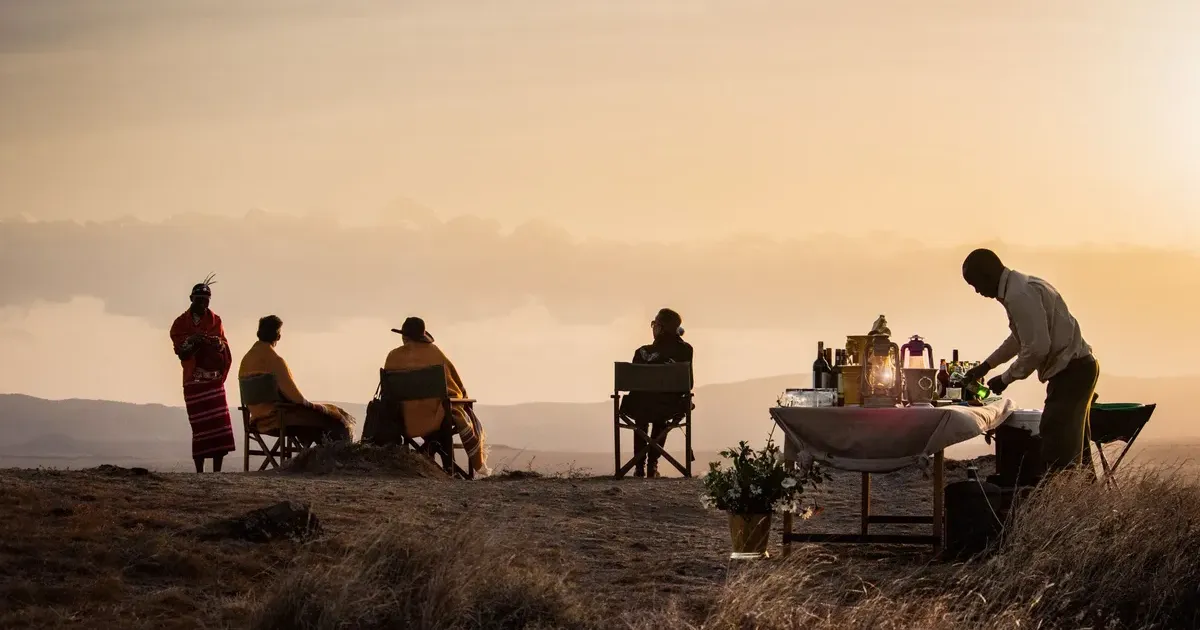
Angama Mara management confirmed on April 6, 2026, that their specialized agricultural team now harvests over 80 distinct fruit and vegetable varieties from their private Shamba garden. This expansion shifts the logistical focus of the luxury retreat toward total food self-sufficiency in a region often dependent on long-distance supply chains. Operations at the lodge, located on the edge of the Oloololo Escarpment, involve intensive soil management to combat the high-altitude conditions of the Maasai Mara. Guest experiences at the property now center on the classic African terrain while consuming ingredients grown less than 500 yards from the kitchen.
Logistical Obstacles in Maasai Mara Food Production
Local farmers oversee the complex irrigation systems necessary to maintain delicate crops like passion fruit and heirloom tomatoes in the harsh Kenyan climate. Success in these horticultural efforts requires constant vigilance against wildlife incursions and unpredictable weather patterns. High-altitude gardening presents specific hurdles including rapid evaporation rates and intense solar radiation. These factors previously forced luxury camps to fly in fresh produce from Nairobi or truck it over hundreds of miles of unpaved roads.
Passion fruit, tree tomatoes, and various citrus fruits thrive within the protected hexagonal garden walls. Chefs use these ingredients to minimize the carbon footprint of the $2,500 per night guest experience. Because the lodge sits atop a ridge, transporting soil and organic matter for composting requires serious mechanical effort. Soil quality in the region is naturally suited for red oat grass but requires amendment to support nutrient-hungry vegetables like spinach and kale.
Organic pest control methods keep the harvest safe without introducing synthetic chemicals into the surrounding ecosystem. By using natural chili sprays and companion planting, the garden team protects the 80 varieties from local insect populations. Every harvest is timed to coincide with guest dining schedules to ensure the shortest interval between the field and the plate.
Economic Value of Hyper-Local Supply Chains
Indigenous crops like sukuma wiki and local tubers form the backbone of the kitchen's expanded menu. Traditional farming techniques, combined with modern greenhouse technology, allow the property to maintain a consistent supply of herbs including rosemary, mint, and basil. Kitchen staff coordinate daily with the garden manager to adjust menus based on what is peaking in the Shamba. Seasonal shifts determine whether the menu features Mediterranean-style salads or hearty root vegetable stews.
Transporting luxury food items into the heart of the reserve previously incurred large fuel and refrigeration costs. Long-haul trucking through the Maasai Mara terrain often results in meaningful food waste due to heat and mechanical vibration. By eliminating these steps, the lodge reduces its operational overhead while increasing the quality of the ingredients served. Fuel savings alone represent a major percentage of the facility's sustainability budget.
Water conservation remains a primary concern for any agricultural project in the Rift Valley. Underground cisterns collect rainwater during the wet season to sustain the garden during the arid months of January and February. Using gravity-fed drip irrigation systems ensures that every gallon of water reaches the root zone without unnecessary waste. Solar panels power the pumps that move water from storage tanks to the garden beds.
Water Management and Ecological Footprint in Kenya
Energy for the entire agricultural operation comes from an on-site solar array. This independent power grid allows the Shamba to function without drawing from the main lodge's electrical supply. Critics often point to the high water usage of luxury tourism in arid regions as a point of contention. While the lodge uses serious resources, the reuse of gray water for non-edible landscaping helps balance the total consumption.
Luxury travelers increasingly demand transparency regarding the origin of their food. Economic data indicates that high-net-worth individuals prioritize sustainability as a factor when choosing safari destinations. Beyond the kitchen, the garden is an educational hub for guests interested in East African botany. Farmers provide guided tours that explain the relationship between the volcanic soil of the escarpment and the flavors of the produce.
Revenue from guest bookings supports the employment of local Maasai staff who manage the daily operations of the Shamba. Educational programs funded by the lodge train community members in sustainable farming techniques that they can apply to their own smallholdings. Development of these skills creates a resilient local economy that is less dependent on the boom-and-bust cycles of international tourism.
Indigenous Crops and Culinary Integration Strategies
Biodiversity in the garden mirrors the ecological complexity of the surrounding plains. By planting many species, the lodge prevents the soil depletion common in monoculture farming. Regional varieties of legumes and grains provide a nutritional foundation for both staff and guests. Success in the garden has prompted other operators in the region to consider similar on-site production models.
The Shamba is a tribute to the fertile soil of the Mara and a commitment to serving food that is as wild as the view, according to a spokesperson for Angama Mara.
Climate change presents a persistent threat to the stability of the Mara ecosystem. Increasing temperatures and erratic rainfall require the agricultural team to remain flexible in their planting schedules. Investment in heat-resistant seed varieties ensures that the 80 fruits and vegetables continue to produce even during heat waves. Future plans include expanding the greenhouse capacity to protect more sensitive greens from the midday sun.
Strategic focus on self-reliance protects the lodge from global supply-chain disruptions that have plagued the hospitality industry in recent years. Maintaining a private farm ensures that the kitchen can deliver a five-star experience regardless of the political or economic situation in Nairobi. High-quality produce is no longer a luxury imported from Europe but a product of the Kenyan soil.
The Elite Tribune Strategic Analysis
Rethinking the relationship between high-end tourism and regional resource scarcity reveals a tension that most travelers prefer to ignore. The move toward agrarian autonomy at properties like Angama Mara is more than a culinary choice; it is a tactical retreat from the fragile infrastructure of East Africa. By creating a self-contained food system, luxury lodges insulate their wealthy clientele from the realities of regional food insecurity while simultaneously claiming the mantle of sustainability.
This model is a sophisticated form of isolationism. While the garden provides local employment and reduces carbon emissions, it also highlights the huge wealth disparity between the interior of the lodge and the villages just beyond the conservancy. The technology and capital required to grow 80 varieties of produce in a semi-arid environment are inaccessible to the average Kenyan farmer. One must ask if these gardens are truly meant to help the environment or simply to enhance the prestige of the guest experience.
Nevertheless, the technical success of the Shamba provides an undeniable blueprint for desert-edge agriculture. If these high-efficiency systems can be scaled and shared without the accompanying $2,500 price tag, the impact on regional nutrition could be deep. For now, the garden stays a beautiful, gilded cage. The future of the Mara depends on whether these innovations remain a luxury perk or become a communal resource. Profit remains the primary driver.