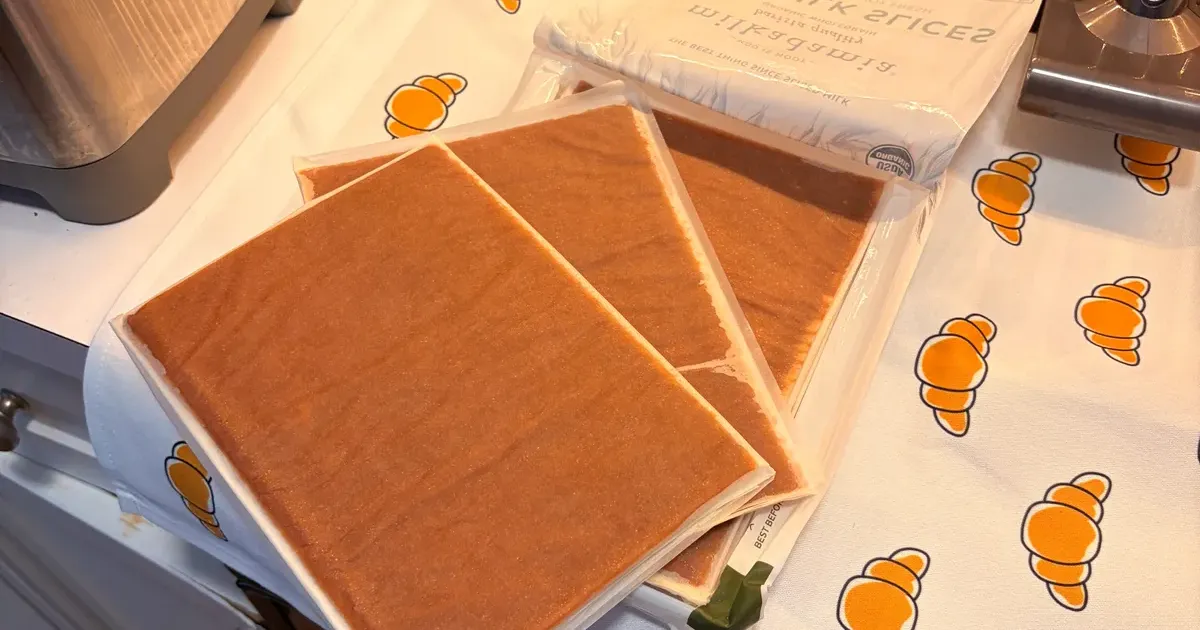
Delish reviewers confirmed on April 6, 2026, that the latest iteration of alternative dairy has moved from the carton to the sandwich bag. Oat Milk Slices became a specific contender in the refrigerated section earlier this spring. Reporters at the publication described the product as a meaningful innovation for plant-based consumers. While liquid alternatives have dominated coffee shops for a decade, the transition to a solid, meltable form means a leap in food engineering. These slices provide a dairy-free option that mimics the structural integrity of American cheese.
Tests performed by culinary experts revealed a surprising level of satisfaction with the mouthfeel and flavor. Consumer demand for portable, plant-based proteins continues to drive these developments. Manufacturers use a blend of agar-agar and modified starches to achieve the desired consistency. Early sales data indicates a rapid adoption rate among urban professionals.
Solidified milk is a shift in how processors view cereal-based beverages. Engineers at food laboratories spent years perfecting a formula that does not separate under high heat. Most early prototypes failed because oat proteins tend to become gummy when compressed. Current versions use high-pressure homogenization to maintain a smooth texture. Industry analysts estimate the global plant-based cheese market will reach $14 billion by the end of the fiscal year. Competitive pricing has made these slices accessible to middle-class households. Grocery chains in New York and London report consistent sell-outs of the leading brands. Independent taste tests confirm that the product pairs effectively with sourdough and whole-grain breads. Quality control remains a top priority for startups entering this niche space.
Oat Milk Slices Face Market Scrutiny
Critical reviews highlight the distinct nutritional profile of these new slices compared to traditional cheddar. Oat-based solids often contain higher carbohydrate counts and lower protein levels than their bovine counterparts. Health enthusiasts monitor these labels closely to ensure they meet daily macro-nutrient goals. Sodium content also varies wildly between competing manufacturers. Some brands use coconut oil to provide the saturated fat necessary for a creamy finish. Others rely on sunflower oil or emulsifiers to keep the product shelf-stable. Lab results show that the melting point of oat slices is slightly higher than processed dairy cheese.
This characteristic requires a longer stay in the toaster oven for optimal results. Despite these technical hurdles, the flavor remains strikingly close to the source material. Critics often point to the lack of calcium in early batches as a primary concern for parents.
Retailers have responded by dedicating more shelf space to "modular dairy" products. This term describes foods that have been deconstructed and rebuilt for convenience. TikTok influencers recently popularized the use of these slices in elaborate breakfast sandwiches. One viral video showed a chef using the slices to create a vegan version of a classic Monte Cristo. Public interest surged by 400% in the weeks following that post. Search volume for "dairy-free meltable cheese" hit a ten-year high last month. Large conglomerates like Nestle and Danone are reportedly scouting for acquisitions in this sector.
Venture capital continues to flow into companies that prioritize sustainability and animal welfare. Environmental impact reports suggest that oat-based solids require 80% less water than traditional dairy production. Farmers in the Midwest are already shifting acreage to meet the rising demand for high-protein oat varieties.
Modular Meal Prep Gains Social Media Traction
Lunchrooms across the country are seeing a resurgence of playfulness through the Lego Lunch trend. Users on social media platforms share images of meals packed into stackable, interlocking containers that mimic the famous plastic bricks. Delish testers described the experience as exceptionally convenient for busy workers. These containers allow for a precise separation of ingredients, preventing the dreaded soggy sandwich syndrome. Each brick-shaped compartment holds a specific portion of the meal, from protein to produce. Architects of this trend argue that the tactile nature of the containers makes eating more engaging.
Office employees use the modular system to organize snacks and main courses within a single, compact unit. Design enthusiasts praise the aesthetic appeal of the primary-colored boxes. Durability is a key selling point, as these containers survive repeated microwave use and dishwasher cycles. Many users find the nostalgia of the toy-like design reduces work-related stress.
"It’s the best thing since sliced bread, er, milk," according to the product testers at Delish who evaluated the latest dairy-free innovations.
Convenience drives the popularity of modular lunching in 2026. Commuters appreciate the leak-proof seals and the ability to clip multiple containers together. One specific model features a refrigerated base that keeps contents cold for eight hours. This eliminates the need for bulky insulated bags or office refrigerators. Parents report that the playful design encourages children to finish their vegetables. Schools have noted a decrease in food waste since the trend took hold. High-end versions of these boxes use bamboo and recycled glass instead of plastic. Luxury brands have entered the market with stainless steel interlocking sets.
Market research suggests that the adult lunchbox category has grown by 25% annually. Customization options allow users to build a kit that fits their specific dietary needs. Smaller compartments are ideal for nuts, seeds, and dips.
Food Engineering Drives Synthetic Dairy Growth
Synthetic biology matters in the development of hyper-realistic food substitutes. Scientists now use precision fermentation to create proteins that are molecularly identical to those found in milk. The technology allows oat-based products to stretch and bubble like mozzarella. Traditional plant-based cheeses often lack the elasticity required for pizzas and lasagnas. New additives derived from fermented yeast solve this problem without using animal products. Investors see this as the final frontier for the vegan food industry. Regulatory bodies like the FDA have cleared several of these ingredients for general consumption.
Ethical considerations move many consumers away from factory farming and toward laboratory-grown alternatives. Price parity with conventional dairy is expected within twenty-four months. Scalability is the only remaining obstacle for the largest producers. Supply chains are adapting to handle the delicate requirements of fermented proteins.
Logistics companies have developed specialized temperature-controlled routes for these sensitive products. Maintaining a consistent cold chain is essential for preserving the texture of solidified milks. Fluctuations in temperature can cause the starches to crystallize, resulting in a gritty mouthfeel. Distributors use real-time sensors to track shipments from the factory to the grocer. Retailers prioritize brands that offer the longest shelf life and most stable packaging. Innovations in biodegradable films have reduced the carbon footprint of individual slices. Some companies are experimenting with edible packaging made from seaweed. Consumers express a willingness to pay a premium for eco-friendly solutions.
Market dominance is currently split between three major players in the alternative dairy space. Small-batch producers struggle to compete with the marketing budgets of global firms. Regional varieties are gaining a foothold in specialty health food stores.
The Elite Tribune Strategic Analysis
Should we be celebrating the arrival of a world where milk is a solid sheet and lunch is a plastic toy? The obsession with engineering every aspect of the human diet indicates a deep disconnection from the source of our sustenance. We are trading the messy, unpredictable reality of whole foods for a sterilized, modular existence that fits perfectly into a spreadsheet or a social media feed. The trend is not about nutrition or sustainability; it is about the total commodification of the eating experience.
When a meal must be "SOUPER convenient" to be considered valuable, we lose the ritual of preparation and the sensory complexity of natural ingredients. The success of oat milk slices depends entirely on our willingness to accept a chemical mimic as a legitimate substitute for a thousand-year-old tradition of cheesemaking.
Corporate interests have successfully rebranded hyper-processed laboratory products as the pinnacle of ethical consumption. They use the language of environmentalism to mask the reality of industrial food science. Every interlocking brick and every perfectly square slice of synthetic dairy represents another step toward a future where we no longer eat food, but consume engineered delivery systems for calories. The market does not care about your health; it cares about the shelf life and the margins of a hydrocolloid gel. What is unfolding is the final victory of convenience over culture.
If we continue down this path, the very concept of a meal will be reduced to a series of interlocking plastic parts. It is a sterile vision of human life. Efficiency is a trap.