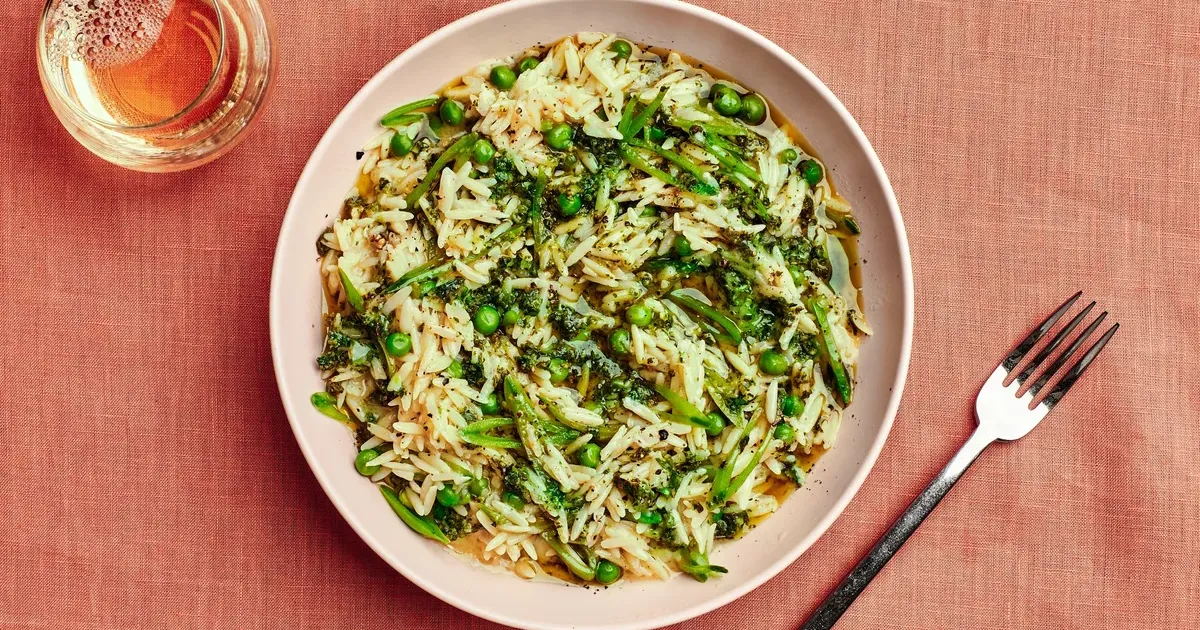
Farmers markets across the United States reported record early harvests on April 7, 2026, as agricultural producers delivered seasonal produce to urban distribution hubs for a new generation of spring pasta recipes. Consumer interest in localized agriculture has driven a 12% increase in demand for tender greens and early root vegetables compared to the previous fiscal year. Culinary publications like Epicurious shifted their focus toward recipes that use the 27 top ingredients appearing in the northern hemisphere during the second quarter. The resilience of the regional supply-chain continues to enable this transition from heavy winter starches to lighter, vegetable-forward compositions.
Agricultural economists at the California Central Valley research center noted that soil temperatures reached optimal levels two weeks ahead of schedule. Such shifts allow for the cultivation of delicate pea shoots and ramps that form the backbone of modern spring menus. Retailers in metropolitan areas are reporting that the sale of dried rigatoni and fresh ravioli has increased as home cooks look for ways to incorporate spicy carrots and sweet peas into daily meals. Market valuations for organic produce grown in temperate zones reached $2.4 billion in the early weeks of the spring cycle.
Agricultural Yields and Carrot Rigatoni Economics
Spicy carrot rigatoni has become a dominant trend among professional chefs who seek to maximize the utility of early-season root vegetables. Roasting carrots at high temperatures concentrates their natural sugars, which provide a textural foundation for sauces that do not require heavy cream. Farmers in the Pacific Northwest have increased their carrot acreage by 15% to meet the rising demands from pasta manufacturers. High concentrations of beta-carotene in these early harvests result in a deeper orange hue that appeals to the aesthetic requirements of high-end food photography. Bulk pricing for premium organic carrots at wholesale terminals in New Jersey averaged $22.40 per crate.
Technical innovations in moisture-controlled roasting have altered the way restaurant kitchens process these vegetables. Using a combination of Calabrian chili and roasted carrot puree allows for a sauce that maintains its viscosity without the addition of cornstarch or flour. Home cooks are adopting these methods as accessible luxury, frequently labeling the results as weeknight-fancy. This specific segment of the culinary market focuses on elevated ingredients prepared within a thirty-minute window. Logistics experts confirm that the cold-chain requirements for transporting these vegetables have become more stringent to prevent premature wilting before they reach the consumer.
Regional Pea Production and Ravioli Quality Control
Pea production in the southern United States faced minor delays due to unexpected rainfall, but subsequent sunshine restored the expected sugar-to-starch ratios. Ravioli filled with pea puree and lemon zest has become a primary offering for seasonal pasta kits sold in boutique grocery stores. Microbiologists who study crop vitality explain that the sweetness of a spring pea is highest within 48 hours of harvest. Processing facilities in Georgia and South Carolina have implemented rapid-cooling tunnels to preserve this flavor profile. The result is a filling that stays bright green even after the pasteurization process required for retail packaging.
Seasonal ingredients allow for a textural contrast that greenhouse-grown products often lack, according to a technical brief from the Epicurious editorial board.
Texture remains a critical component of spring pasta design. Incorporating whole peas alongside a smooth puree provides a sensory experience that distinguishes fresh seasonal dishes from frozen alternatives. Culinary schools are emphasizing the use of blanching techniques to maintain the integrity of chlorophyll in green vegetables. Chefs are also experimenting with pea tendrils as a garnish, using the entire plant to reduce food waste. Recent surveys indicate that 64% of respondents prefer vegetable-heavy pasta dishes during the months of April and May.
Logistics of Distribution for Seasonal Greens
Distribution networks for specialty greens like ramps and fiddlehead ferns operate on extremely narrow margins of time. Ramps, which are foraged rather than farmed in many regions, command a high market price due to their limited availability. Specialized couriers use refrigerated sprinters to move these items from Appalachian forests to New York City kitchens in under twelve hours. The scarcity of these ingredients creates a sense of urgency that drives the popularity of the 27 spring pastas highlighted by major food outlets. Wholesale prices for ramps reached an all-time high of $45 per pound in late March.
Inventory management systems now use predictive AI to calculate exactly when a specific crop will reach its peak flavor. This technology helps retailers avoid overstocking highly perishable items like asparagus or baby spinach. Asparagus stalks lose their tenderness rapidly once the ambient temperature exceeds 50 degrees Fahrenheit. Suppliers in the Salinas Valley use hydro-cooling methods to drop the core temperature of the vegetable immediately after it is cut from the ground. National shipping data suggests that 30% of all fresh asparagus sold in the US is consumed as part of a pasta-based meal. Total export volume for spring vegetables grew by 8% this year.
The Elite Tribune Strategic Analysis
Does the annual obsession with seasonal produce reflect a genuine culinary evolution, or is it merely a well-orchestrated marketing campaign designed to justify premium pricing? For decades, the food industry has fetishized the arrival of the spring harvest to create a sense of artificial scarcity. By branding a simple bowl of rigatoni as seasonal or artisanal, retailers can mark up the price of basic carrots and peas by 40% or more. The reality is that greenhouse technology and globalized trade have made these ingredients available year-round, yet the consumer demand for the narrative of the spring miracle stays unshaken. What is unfolding is the triumph of branding over biology.
The logistical complexity described by producers is often a smokescreen for the inefficiencies of a fragmented supply chain. While boutique farms boast of their hand-picked ramps, the majority of seasonal produce travels thousands of miles in carbon-heavy transport systems. If the industry was truly committed to the environmental ethics often associated with seasonal eating, the focus would shift toward local preservation and staples. Instead, the market prioritizes the aesthetic of the fresh pea and the roasted carrot to satisfy a superficial desire for luxury. Profit margins, not soil health, dictate the 27 pastas on your table. Cynicism is the only logical response to a system that sells the weather back to the people. Pure theater.