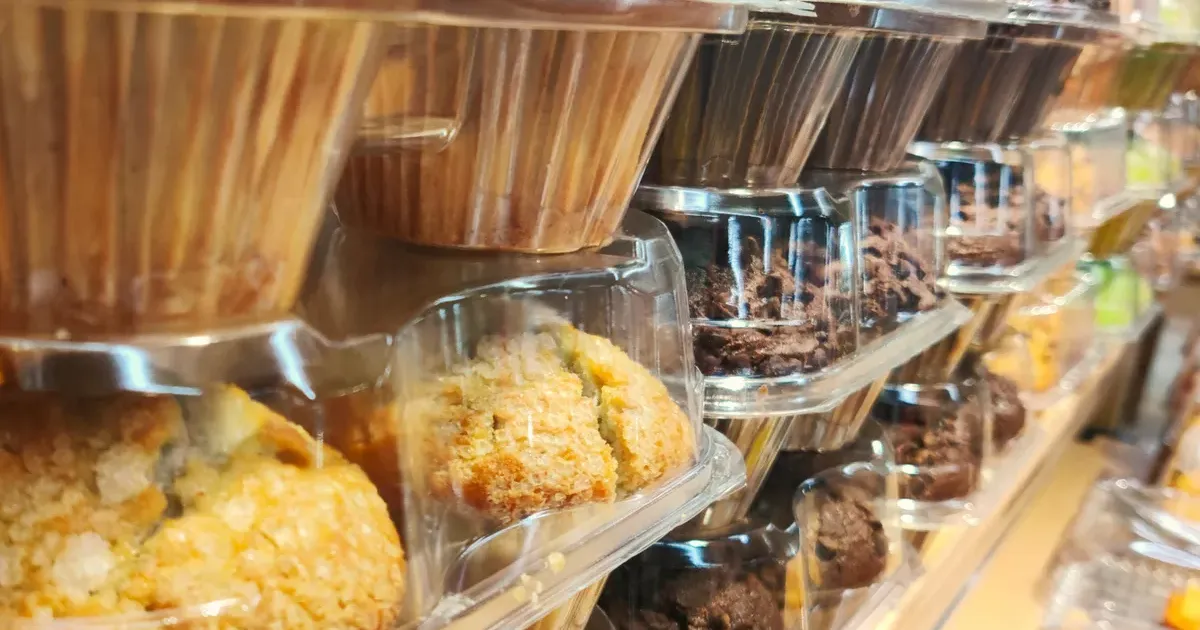
Retailers across the United States faced renewed scrutiny on April 4, 2026, as dietary experts analyzed the nutritional profiles of common grocery store bakery muffins. These oversized pastries, often positioned as a convenient morning meal, frequently contain more sugar and fat than a standard piece of chocolate cake. Analytical data from various consumer advocacy groups indicate that a single large muffin from a commercial bakery can exceed 600 calories. Grocery chains frequently rely on the psychological perception of the bakery section to suggest freshness, yet the reality of industrial production often contradicts this image.
Many consumers view the bakery department as a step above the pre-packaged bread aisle. Experts suggest this is a result of the halo effect, where the scent of baking and the lack of plastic wrap leads shoppers to assume the ingredients are superior. Sugar remains a primary concern for health officials monitoring the obesity crisis. Modern retail muffins often serve as a vehicle for refined carbohydrates and lipids. One single blueberry muffin from a warehouse club can contain as much as 75 grams of sugar, which is nearly double the daily recommended limit for most adults.
Sugar Content and Nutritional Imbalance
Refined sugar provides the structural integrity and moisture retention required for a long shelf life. High-fructose corn syrup and granulated sucrose appear near the top of ingredient lists for almost every major grocery brand. Because these muffins are sold individually or in plastic containers without clear front-of-package labeling, shoppers often underestimate the caloric impact. Nutritionists point out that the absence of fiber in bleached white flour causes a rapid spike in blood glucose levels. The American Heart Association suggests that men should consume no more than 36 grams of added sugar per day, a threshold that these bakery items frequently shatter before the work day even begins.
Muffins might be a morning staple, but many people would be better off skipping them at the grocery store, noted Tasting Table in their nutritional assessment.
Fat content contributes sharply to the caloric density of these items. Instead of using butter, industrial bakeries frequently opt for soybean oil or canola oil to keep costs low. These fats are often highly processed and contribute to a greasy texture that lingers on the palate. Saturated fats in these products sometimes reach 10 grams per serving. Large-scale producers prioritize palatability over nutritional density, leading to a product that provides little satiety. Most commercial muffins lack the protein or complex carbohydrates needed to sustain energy throughout the morning hours.
Industrial Thaw and Serve Methods
Beneath the surface of the rustic display cases lies a complex supply-chain of frozen goods. Retailers like Walmart and Kroger often receive their bakery inventory as frozen pucks of dough or pre-baked items that only require a brief reheat to release an inviting aroma. This process allows stores to reduce labor costs and maintain consistency across thousands of locations. However, it requires the use of heavy preservatives to ensure the product survives the freeze-thaw cycle without losing its structural integrity. Ingredients like potassium sorbate and calcium propionate are standard additions to prevent mold growth in high-moisture environments.
Mono-and diglycerides are frequently added to the batter to improve the crumb texture and prevent staling. These emulsifiers allow the muffin to stay soft for several days, a feat that traditional home-baked goods cannot achieve. Sodium aluminum phosphate acts as a leavening agent, providing the characteristic high dome that consumers associate with professional baking. While effective for industrial scaling, these chemical compounds move the product further away from the whole-food category. Real muffins made with simple ingredients tend to go stale within 48 hours.
Chemical Additives and Shelf Life
Sodium levels in retail muffins are another overlooked health risk. Salt acts as a flavor enhancer and a preservative, balancing the extreme sweetness of the added sugars. Some muffins contain upwards of 500 milligrams of sodium, which is nearly a quarter of the total daily limit for an average adult. Food scientists use these high salt levels to mask the metallic aftertaste of certain chemical leaveners. This combination of high fat, high sugar, and high sodium creates a hyper-palatable product that encourages overconsumption. Most shoppers would never consider eating a large brownie for breakfast, yet the muffin label provides a social permission to do exactly that.
Color additives also play a role in the visual appeal of grocery store muffins. Artificial dyes are sometimes used to give blueberry muffins a more vibrant appearance, even if the actual fruit content is minimal. In some cases, the blueberries in commercial mixes are actually flavored bits of sugar and starch. Consumers who believe they are getting a serving of antioxidants from their morning pastry are often misled by these deceptive formulations. Pureed fruit is rarely the primary flavoring agent in the budget-friendly options found at Costco or local supermarkets.
Economic Incentives for Low Quality
Large grocery chains operate on thin margins, which dictate the quality of ingredients used in the bakery department. Bulk purchasing of cheap vegetable oils and bulk sugars allows these stores to sell a pack of four muffins for less than the cost of a single artisan pastry. This economic model prioritizes volume over value. By making the muffins larger, retailers can justify a higher price point while only marginally increasing their ingredient costs. Portion distortion has become a standard feature of the American retail environment over the last three decades.
Independent bakeries often use higher-quality fats like butter or coconut oil, which provide a more complex flavor profile. These smaller operations typically bake from scratch daily, eliminating the need for the long list of stabilizers found in supermarket versions. Local bakers may also incorporate whole grains or natural sweeteners like honey and maple syrup. Quality ingredients naturally limit the shelf life of the product, forcing a quicker turnover and ensuring a truly fresh experience. Shoppers willing to pay a premium often find that the nutritional trade-off is worth the extra expense.
The Elite Tribune Strategic Analysis
The persistent myth of the grocery store muffin as a legitimate breakfast option is evidence of the power of retail theater over scientific reality. Grocery chains have successfully commodified the concept of fresh baking by using scent-marketing and clever placement to hide what is essentially an industrial chemical project. We are looking at a system that prioritizes logistical efficiency and shelf stability over the fundamental health of the consumer base. It is not about providing a quick meal; it is about maximizing the profit per square foot of the bakery floor by selling oversized cakes under a different name.
Skepticism should be the primary tool for any health-conscious shopper entering the bakery department. The refusal of many large chains to provide clear, accessible nutritional data at the point of sale is a deliberate choice intended to enable impulse buys. If consumers truly understood that their morning muffin contained more sugar than a liter of soda, the sales volume would likely plummet. We must stop treating these items as food and start treating them as a form of recreational sugar delivery. The only way to win this game is to walk past the display case entirely.
Corporate responsibility in the food sector is an illusion maintained by marketing departments. Until federal regulations mandate that every loose bakery item carries a calorie and sugar count on its immediate display, the deception will continue. Consumers who value their long-term health should view the grocery store bakery with the same suspicion as the candy aisle. The era of the guilt-free supermarket muffin is over. Stop buying the lie.